 By admin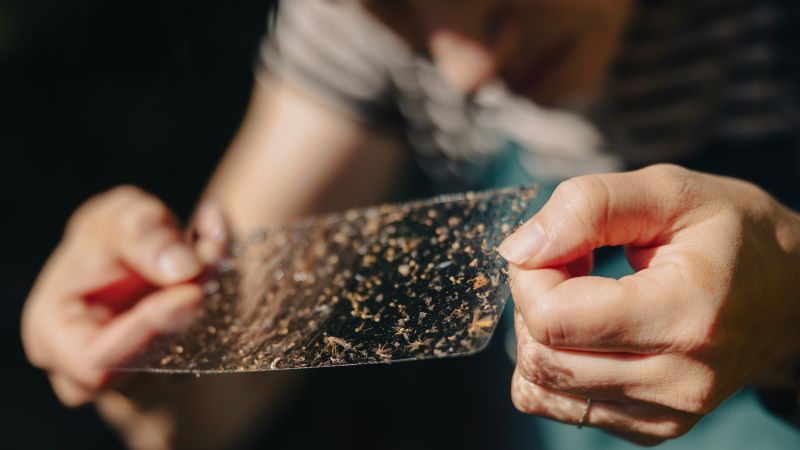
- A DC resident frustrated by mosquitoes launched a grassroots campaign that drew 1,800 homes in three months.
- The Itty Bitty Mosquito Population Committee uses some pesticide-free tactics like eliminating standing water and deploying traps.
- Climate change is expanding mosquito populations into areas without adequate control programs, raising concerns about disease spread.
Michelle Mingrone was sick of being a mosquito’s blood meal.
For the avid gardener in the Capitol Hill neighborhood of Washington, DC, stepping out the front door in the summer meant being assaulted by hordes of those flying hypodermic needles, ready to bore into her skin and leave itchy welts – and sometimes serious infections like malaria or Zika – behind.
Read more Why Republicans think they can save their House majority at the US-Mexico border
“They’re intolerable. You cannot be outside,” Mingrone said. “I grew up in the woods. I want my kids to be outside, and every year it is so frustrating that we just can’t be outside because of the mosquitoes.”
She reached out to the local government in February and learned one full-time specialist oversees the district’s summer mosquito operation, with help on an as-needed basis.
If their yards were going to get less buggy, she realized that she and her neighbors would need to take on the job themselves.
Mingrone wrote a post on a local parenting listserv in March. It began, “Hi neighbors. Mosquito season is nearly upon us, and I’m determined to do something about it this year.”
Spraying is a temporary solution that may help a bit, Mingrone notes, but it also kills a lot of beneficial insects like bees and dragonflies. Rather, she was inspired by a Maryland community that used a multipronged pesticide-free approach to knock down the local population of Asian tiger mosquitoes. The more people who joined, the more effective it would be, since mosquitoes don’t respect property lines.
“Want in?” she asked, sharing a link to an interest form and a dedicated email address.
Mingrone was hoping to get buy-in from about 40 households. In the first four days, she had 600 responses.
The Itty Bitty Mosquito Population Committee was launched.

“I knew mosquitoes are bad, and people were frustrated, but I wasn’t expecting that scale of response, and so I just kind of rolled with it,” Mingrone said.
It’s not just DC. Mosquitoes are everywhere, and their populations are growing. Thanks to climate change, mosquitoes are now found in nearly every corner of the planet, far beyond their strongholds in South America, Central America and Africa.
According to the World Mosquito Program, countries in Europe have begun to see increases in mosquitoes and the diseases they carry, like malaria, dengue, Zika and chikungunya. Extreme flooding in Germany last year helped mosquito populations swell to 10 times their usual numbers. Even Iceland — one of last mosquito-free places on Earth — reported finding mosquitoes in 2025.
In the US, municipal mosquito control efforts haven’t kept up. Areas that have long battled mosquitoes, like Miami and South Texas, have well-funded, integrated mosquito control programs. But there are many newer mosquito havens in the Northeast, Mid-Atlantic and Midwest that haven’t adequately funded or staffed mosquito control, said Dr. Daniel Markowski, a technical adviser for the American Mosquito Control Association.
“As the weather patterns are shifting, mosquitoes are shifting, as well as the diseases they carry,” Markowski said. “They’re shifting their distribution, their frequency, and bringing diseases with them into areas that don’t have good mosquito control programs more and more.
“That’s a real concern.”

The world’s deadliest animals
Longer periods of warm temperatures mean earlier emergence and longer mosquito seasons in many parts of the world. There are nearly 3,700 species that use their tube-like mouths to tap through animals’ skin and feed on blood for protein, which they need to lay their eggs.
Not all these species are harmful to people, however, and they do provide some benefits.
In addition to blood, mosquitoes need sugar for energy, which they get from the nectar of plants, making them important pollinators. The insects and their eggs are also a food source for other insects like dragonflies, as well as birds, bats and fish.
Luckily for us, most types of mosquitoes depend on other animal sources like frogs, birds and small mammals for their meals. Only a handful of species have evolved to prefer human blood.
But these few species are devastating, causing some 700 million illnesses and 1 million deaths globally each year due to infections like malaria, dengue fever, Zika and West Nile virus.
In 2024, another DC resident, Dr. Anthony Fauci, former director of the National Institute of Allergy and Infectious Diseases, wrote about getting West Nile from a mosquito in his backyard — an infection that left him fatigued, feverish and delirious, and afraid he would “never recover and return to normal.”

Mosquitoes are such a scourge that the US Centers for Disease Control and Prevention has named them the world’s deadliest animals.
While most scientists say it wouldn’t be ethical or even feasible to try to get rid of all types of mosquitoes, many say it makes senseto try to eradicate the main species that feed on humans.
“Certainly, from an ethical and moral point of view, if we’re talking about countries where diseases are being transmitted, it’s very hard to turn around and say to an African mother with her child that has just had malaria, ‘you should not be killing those mosquitoes because they’re part of the ecosystem,’” said Dr. Bart Knols, a Dutch biologist who runs the website Malariaworld.org.
Knols points out that humans have long been at war with mosquitoes.
The trick to getting rid of them effectively is taking out the insect without ultimately paying the price in other ways.
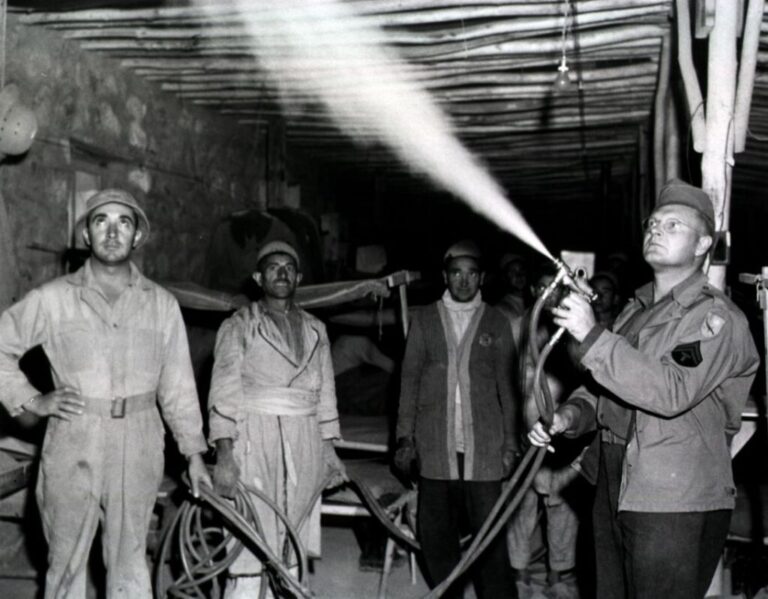
He points to the pesticide DDT, which was hailed as a miracle mosquito killer in the 1940s, when it was deployed during World War II. It was later banned for most uses by the US Environmental Protection Agency after it was shown to persist in the environment and harm other animals, including people.
Instead of going the chemical route, he says, there’s a suite of more targeted technologies being now being developed and tested to reduce mosquito populations, including inserting harmful genes into their DNA and infecting them with bacteria called Wolbachia, which acts like birth control.
Dr. Raymond St. Leger, an entomologist and distinguished professor at the University of Maryland, took another approach using naturally occurring mosquito-killing fungus found around the roots of some plants.
He bioengineered it, adding genes from spiders and scorpions to make it a faster poison, as well as genes that produce floral odors that attract mosquitoes. When the mosquito lands on the fungus, its hook-like spores burrow through the insect’s exoskeleton and kill it within days. If further tests are successful, he envisions using it to both bait and poison mosquito traps.
Because the mosquitoes that bite humans in the US generally come from two invasive species that only recently arrived in North America, they really play no role in ecological diversity here, St. Leger said.
“I would be in favor of certainly suppressing a mosquito population in America,” he said.

A five-pronged approach
The Itty Bitty Mosquito Population Committee is trying, at least in their own backyards.
Their approach relies on five things to make yards less hospitable.
Throw out standing water
First, Mingrone said, they’ve gotten vigilant about tossing any standing water, since the amount in even a bottlecap is enough to allow females to lay their eggs. In her own yard, Mingrone has learned that cracked lids on garbage containers allow water to pool after a rain, setting up a major breeding ground.
Treat larger water sources
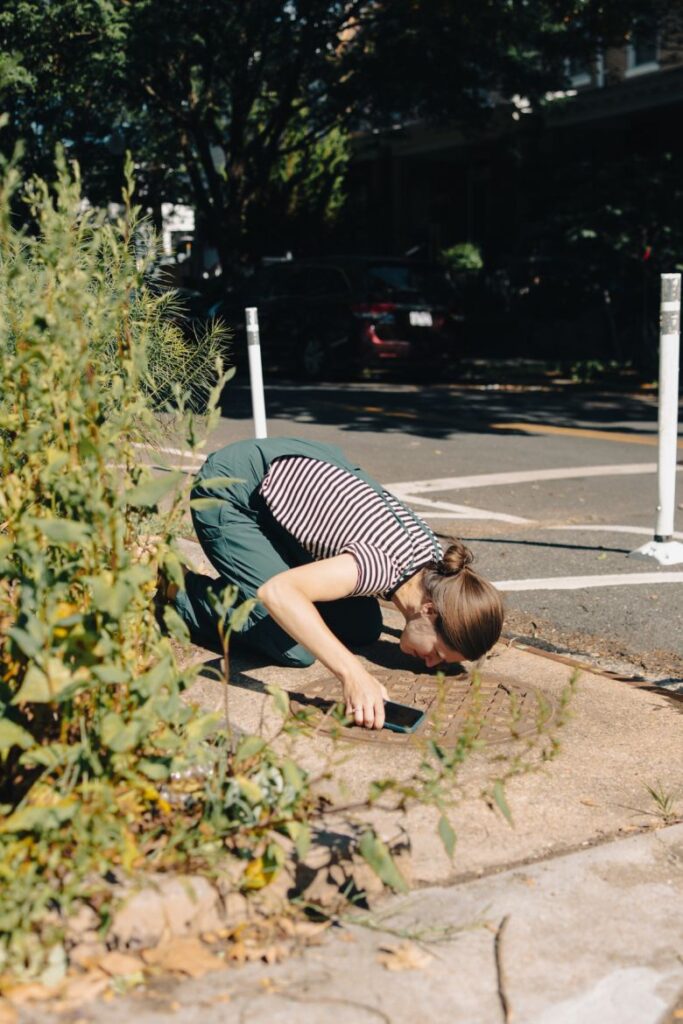
Water sources that can’t be tossed, like Mingrone’s small frog pond, get treated with tablets called Mosquito Dunks, which contain a natural larvicide to kill the newly hatched next generation. Storm drains are another major breeding ground that also need regular treatment.
Lure them in
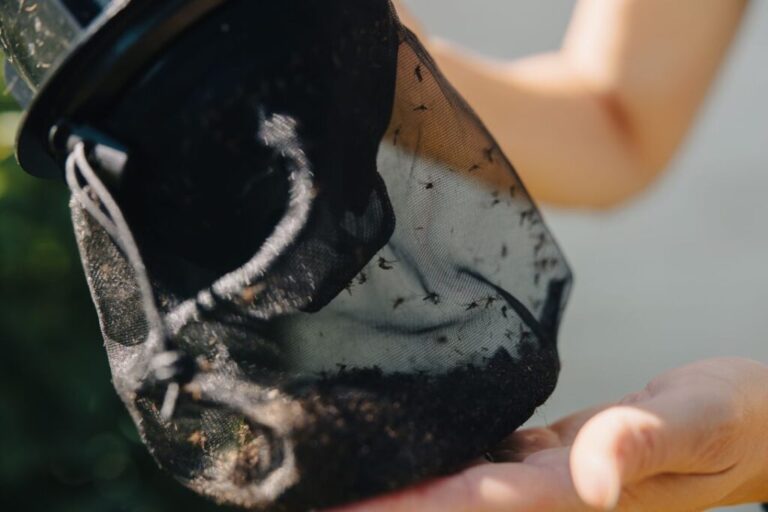
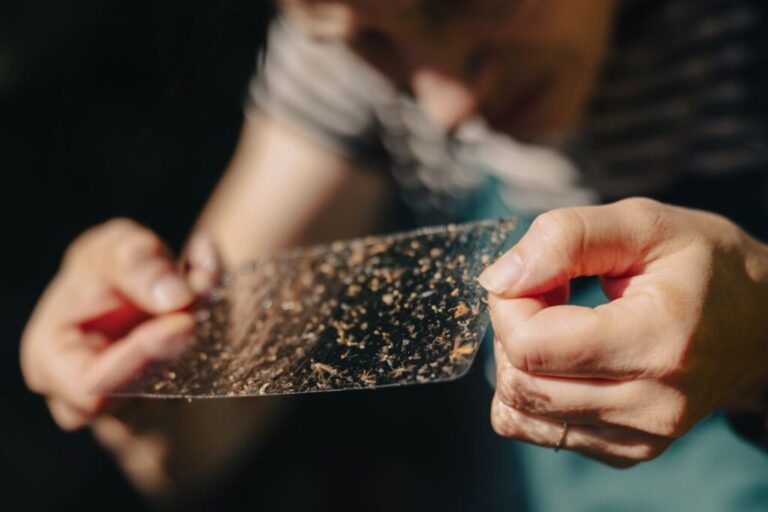
Mingrone and her neighbors use a combination of baited traps that lure mosquitoes with human smells and hold them with glue or fans until they die. She negotiated a discount with the German company that sells the traps, Biogents.
“I did a very amateur mosquito count and in 24 hours got 104 mosquitoes,” Mingrone said, and cleaning the traps is “pretty gross and very satisfying.”
The electric traps, called Mosquitaires, are so effective that they have that bite humans from entire islands in the Philippines, said Knols, who led the project.
Mingrone has two running: one in her front yard and another in the back.

Swap plants
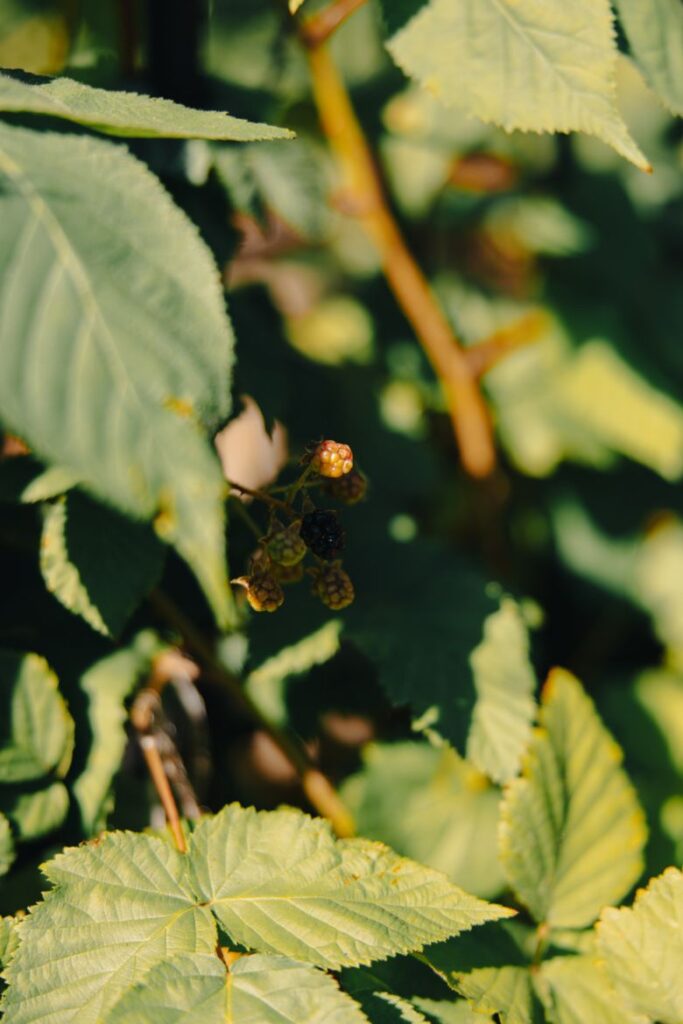
Some plants, like English ivy and bamboo, allow mosquitoes to thrive in moist, shady environments. Native plants like native golden ragwort or switchgrass are not as hospitable.
Spread the word
The committee is urging members to share the details of the campaign, since mass participation increases the likelihood of success.
In just three months, 1,800 homes have joined the project, which is managed by more than 220 block captains in neighborhoods throughout DC.
They don’t have any hard data yet — that’s the next step — but it seems their combined efforts are working.
“Pretty much all of the people that I’ve talked to have said the mosquitoes are way better this year,” Mingrone said. “I’ve been having dinner parties outside. I sat outside and was doing work all day in the yard the other day, and I definitely was not able to do that this time last year.”
Read more Analysis: What the missing center has meant for the Supreme Court