 By admin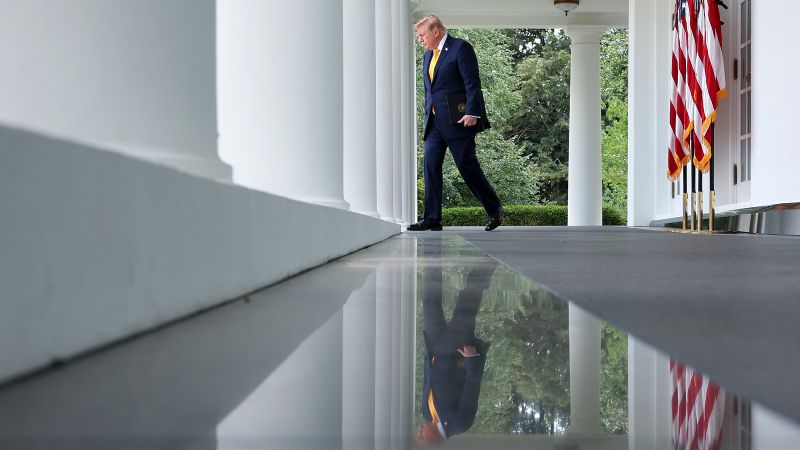
Congressional Republicans were all too happy to see President Donald Trump’s unpopular tariffs largely fade from headlines as the midterms inched closer. Now, with just 10 weeks to Election Day, Trump’s decision to again put them front and center has infuriated his party.
Read more Trump needs to get tough on China to get tough on Iran’s economy. He’s been reluctant to do that
Within the span of a few days, the president both ignited a trade war with Canada and announced he was easing tariffs on imported beef — an economic one-two punch that will have particularly acute effects in a slew of states critical to winning congressional control.
Republicans, already struggling to outrun voters’ widespread cost-of-living concerns, are publicly calling on Trump to drop his hard line against Canada. And lawmakers across the Midwest and the South are distancing themselves from the plan to cut foreign beef tariffs, warning that any brief progress toward lowering prices of the grocery staple will be far overshadowed by the pain it causes American ranchers.
“There’s no Republican on the ballot who will tell you they think this is a good idea,” said Doug Heye, a longtime GOP strategist. “Things are too expensive, and it’s hard to see how this [trade war] would do anything to help any Republicans.”
More than a dozen Republican lawmakers have since criticized the economic moves, including staunch Trump allies who nevertheless openly aired their frustration over the fallout in their home states.
Sen. John Barrasso, the chamber’s No 2. Republican, pleaded with the administration for policies that make it “easier — not harder — for Wyoming ranchers to feed America.” Arkansas Sen. Tom Cotton called the beef import plan “ill-advised” and urged Trump to reconsider. Nebraska Sen. Deb Fischer was blunter: “I’m extremely disappointed by this decision,” she wrote on X.
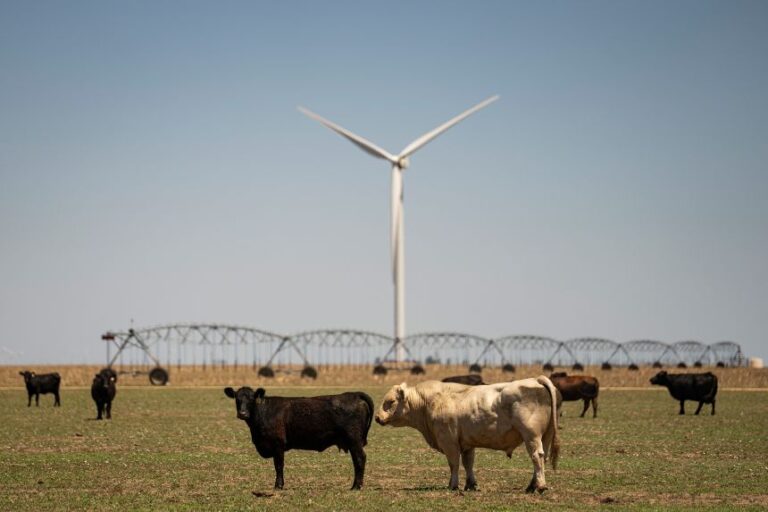
In the handful of northern states that could swing control of Congress in November, Republicans caught off-guard by the collapse in talks between the White House and Canada have pressed Trump to call off a trade war that could make a broad range of goods more expensive.
“Imposing new tariffs on Canada is a mistake,” said Maine Sen. Susan Collins, who is locked in a tight race to keep her seat. “I really want us to go back to the very friendly, economically beneficial relationship that we have with our Canadian neighbors.”
The chorus of rebukes further underscored the deteriorating relationship between Trump and the Republican lawmakers whose fate will determine the trajectory of his last years in office.
Trump has largely resisted altering his priorities to help buoy GOP lawmakers ahead of November, spending recent months devoted to his pet construction projects, waging an unpopular war in the Middle East and building on his aggressive tariff regime. Republican candidates, in turn, have grown increasingly anxious that the drag created by Trump’s cratering approval ratings will cost them control of the House and possibly even the Senate.
“The haphazard and inconsistent way that these tariffs have been applied has created unnecessary chaos,” said Jason Roe, a Michigan GOP strategist. “Picking fights with our largest trading partners and allies is not particularly helpful.”
Despite the frustration rippling across the GOP, White House officials downplayed the fallout from Trump’s trade decisions, arguing that they are aimed at benefiting voters over the long term.
In discussions with worried lawmakers and allies, aides have emphasized that the planned ramp-up of ground beef imports is a temporary solution meant to address shortages and bring prices down ahead of November, two people familiar with the matter said. The order, which is still being finalized, is designed to bolster supply until more gradual efforts to boost US cattle producers begin to show results.
“Do candidates not want to talk about what the GOP is doing to get beef prices down?” one White House official said of the blowback on the administration’s beef plan. “It’s not us saying that American producers are not competitive or not doing their jobs. It’s just us saying we’re in a supply crunch.”
Read more The Ganges shark’s last refuge has been found. Now comes the fight to save it
The escalating tariff standoff with Canada, meanwhile, is one that aides have sought to turn into the latest display of Trump’s dealmaking prowess — arguing that the pain of any higher costs will fall disproportionately on its northern neighbor.
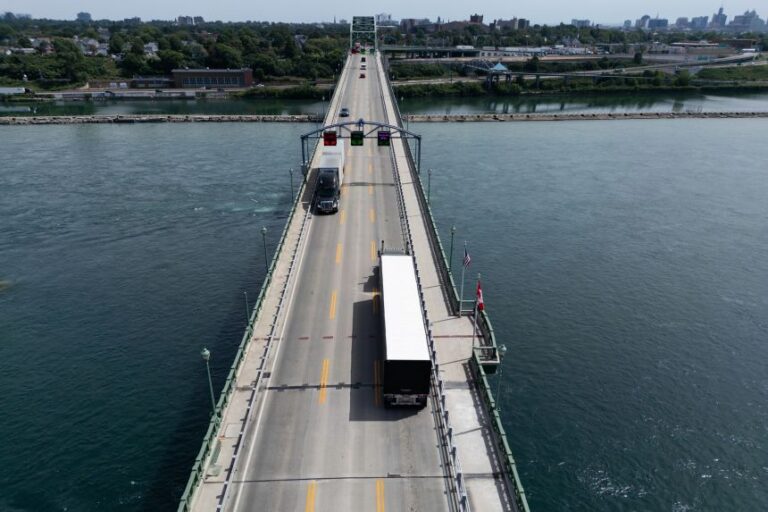
Trump officials blamed Canadian leaders for tanking a trade deal as it neared the finish line by making new demands, though Canada has claimed that conflicting signals on the US side ended up nixing the agreement. Trump also appeared to undercut his team’s position, suggesting in a phone interview with CNN that he’d added conditions late in the talks.
“That sounds like me,” Trump said Saturday, adding that “they have to pay a fair amount. And if they don’t pay a fair amount, we won’t make a deal. That’s fine.”
Trump has shown no inclination to restart talks in earnest, signaling he’ll push for even more favorable terms and attacking Canada in a flurry of Truth Social posts that included threats to rename Lake Ontario: “Lake America.”
“I deal with many countries, and Canada is easily the most difficult and unreasonable,” he vented in another social media post.
The two sides still have a couple weeks before the September 8 deadline for Canada to impose its own retaliatory tariffs, a cushion that Republicans have urged Trump officials to take advantage of in pursuit of a deal that averts an all-out trade war.
Trump has repeatedly backed off his most extreme tariff threats in the past in favor of settling for more reasonable agreements that he can tout as victories. And despite the bluster, there’s recognition among some officials that a lengthy trade fight with a close US ally like Canada would be unsustainable and broadly unpopular, a person familiar with the matter said.
Yet the prospect of reaching an economic truce down the road has offered scant comfort to Republicans confronting the more immediate political fallout just two months out from Election Day.
“Roiling the Michigan political scene with this is not super helpful at the moment,” said Roe, who is advising GOP Rep. Tom Barrett in one of the House districts that Democrats are seeking to flip. “We have such a strong economic relationship to Canada that this makes it harder for us to solve some of the affordability issues that are dogging us.”
As for the imported beef plan that Trump officials had hoped would help offset some of those cost concerns, the alarm over its implications has instead spread rapidly through the GOP base — including into the kitchen of Washington’s most popular MAGA hangout.
“From Minnesota to the Texas border, Americans are frustrated that cheaper economies elsewhere are hollowing out our own,” Bart Hutchins, the owner of Butterworth’s restaurant wrote in a DailyWire op-ed. “The expansion will not help the American rancher; it will finish him off.”
In a text message, former Trump strategist and MAGA commentator Steve Bannon offered a more succinct review: “Hate it.”
Read more Trump’s Cabinet joins TikTok. What could go wrong?
CNN’s Jim Sciutto contributed to this report.