EDITOR’S NOTE: Call to Earth is a CNN editorial series committed to reporting on the environmental challenges facing our planet, together with the solutions. Rolex’s Perpetual Planet Initiative has partnered with CNN to drive awareness and education around key sustainability issues and to inspire positive action.
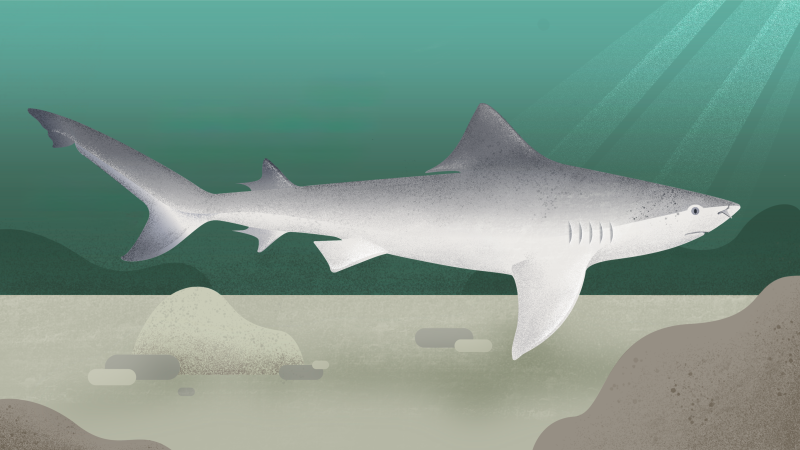
The Ganges shark is nothing if not elusive. Living in murky, brackish water it is one of only three river shark species globally — and is almost impossible to see in the wild. It’s never been photographed alive. The only evidence biologists have to go by is when one turns up dead as bycatch. Even then, they might just find a fin.
The critically endangered specieslives across parts of Pakistan, India, Bangladesh, Malaysia and Myanmar, but it’s thought most populations are dwindling. An estimated 240 adults remain according to the IUCN Red List of Threatened Species. The last published sighting of a Ganges shark near its namesake river was in .
But after decades of sporadic sightings across South and Southeast Asia, the last stronghold of the Ganges shark may have been found in a remote corner of Indonesia. New fieldwork now offers fresh hope that it might have a future there.
In 2023, researcher Michael Grant of James Cook University, Australia, led an exploratory mission with partners from the University of Borneo Tarakan and Hasanuddin University to North Kalimantan. Indonesian Borneo was not known to be part of the shark’s range. But while visiting a village bordering the Sesayap River, Grant encountered a fisherman who accidentally caught 17 Ganges sharks in a week. That was more than had been identified worldwide in the past 20 years, said Grant.
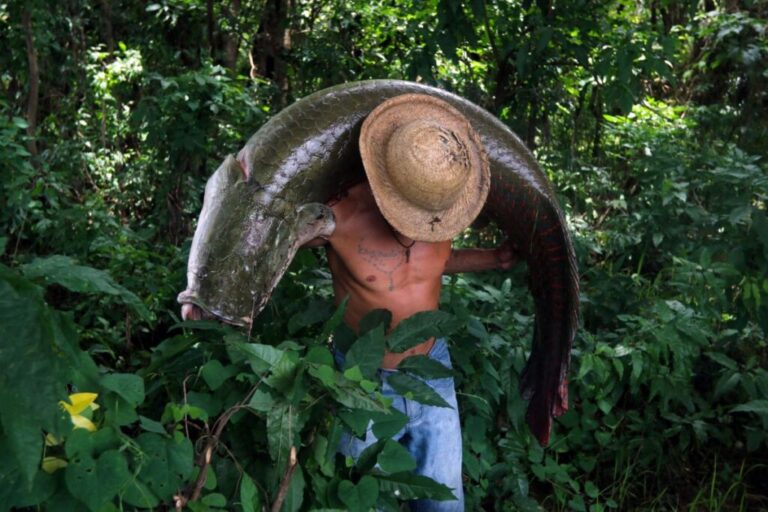
10 feet long and weighing a whopping 485 pounds. Known to locals as the pirarucu, the air-breathing giant preys on plants and animals, destroying its catch with its sharp tongue. Pirarucu has been historically overfished, but conservation efforts are restoring numbers. Scroll through to see more of the world’s biggest freshwater fish. ” class=”wp-image-10911″ width=”1024″ height=”683″ />
A native to Amazonia’s rivers and lakes, the arapaima gigas is one of the biggest freshwater fish in the world, measuring an impressive 10 feet long and weighing a whopping 485 pounds. Known to locals as the pirarucu, the air-breathing giant preys on plants and animals, destroying its catch with its sharp tongue. Pirarucu has been historically overfished, but conservation efforts are restoring numbers. Scroll through to see more of the world’s biggest freshwater fish.
RICARDO OLIVEIRA/AFP/AFP via Getty Images
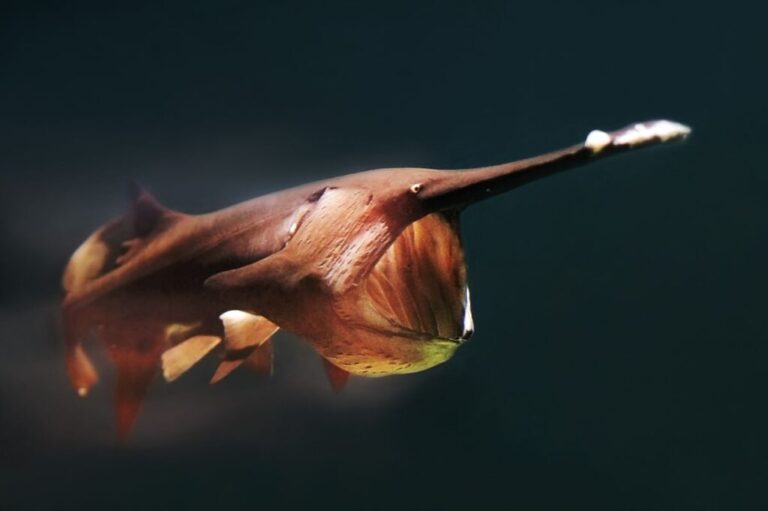
vulnerable and resides in the waters of the Mississippi River basin, Lake Huron, which straddles the US/Canadian border, and areas of southern Canada. An American relative of the sturgeon, it is named after its paddle-like snout and can grow up to seven feet and weigh 200 pounds.” class=”wp-image-10912″ width=”1024″ height=”681″ />
Paddlefish —
The greenish, grayish paddlefish is classified as vulnerable and resides in the waters of the Mississippi River basin, Lake Huron, which straddles the US/Canadian border, and areas of southern Canada. An American relative of the sturgeon, it is named after its paddle-like snout and can grow up to seven feet and weigh 200 pounds.
Marina Vedernikova/Shutterstock
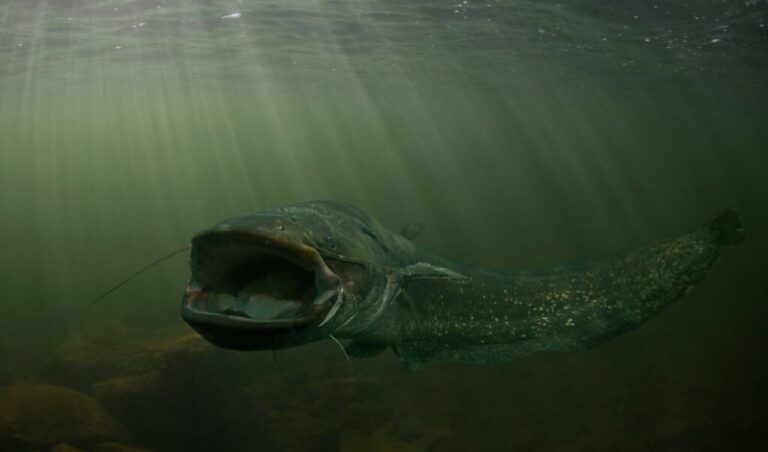
one of the world’s largest catfish and among the largest of Europe’s freshwater fish species. The long-bodied, scaleless creature can reach 15 feet in length and a weight of 660 pounds. The species is easily identified by its light-colored undercarriage, dark fins and its six, whisker-like mouth barbels.” class=”wp-image-10913″ width=”1024″ height=”602″ />
Wels catfish —
The wels catfish is a nocturnal predator native to the rivers and lakes of central Europe and western Asia. It is one of the world’s largest catfish and among the largest of Europe’s freshwater fish species. The long-bodied, scaleless creature can reach 15 feet in length and a weight of 660 pounds. The species is easily identified by its light-colored undercarriage, dark fins and its six, whisker-like mouth barbels.
Paulo Oliveira/Alamy Stock Photo
“river wolf,” this predatory species – which can weigh as much as 230 pounds and grow seven feet long – dominates its habitats in Europe and Asia, feeding on everything from waterfowl and salmon to bats and small land mammals. Despite its status at the top of the aquatic food chain, the Siberian taimen is classified as vulnerable and is targeted by recreational anglers.” class=”wp-image-10914″ width=”1024″ height=”683″ />
Siberian taimen —
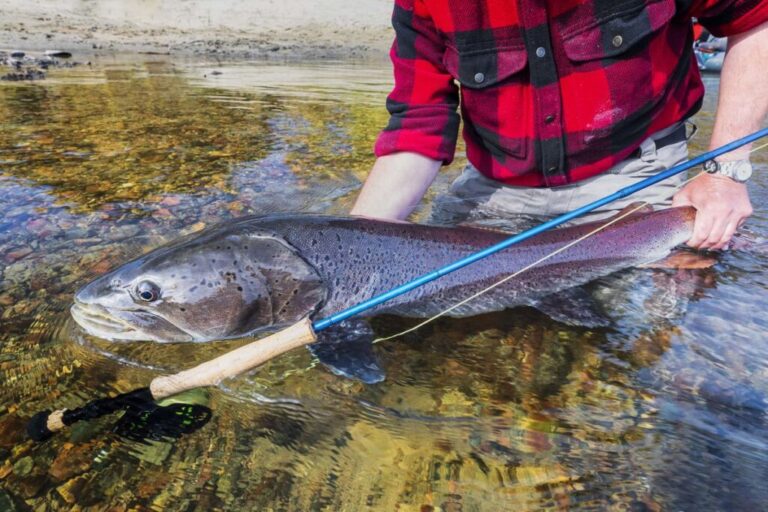
A fisherman holds a large, speckled Siberian taimen before releasing it. Dubbed the “river wolf,” this predatory species — which can weigh as much as 230 pounds and grow seven feet long —dominates its habitats in Europe and Asia, feeding on everything from waterfowl and salmon to bats and small land mammals. Despite its status at the top of the aquatic food chain, the Siberian taimen is classified as vulnerable and is targeted by recreational anglers.
DieterMeyrl/iStockphoto/Getty Images
11.5 feet and can be found around the world. Though it primarily resides in coastal waters, it can swim up to 160 miles up rivers, giving birth in estuaries or freshwater. With its blade-shaped teeth it can pose a threat to humans.” class=”wp-image-10915″ width=”1024″ height=”683″ />
Bull shark —
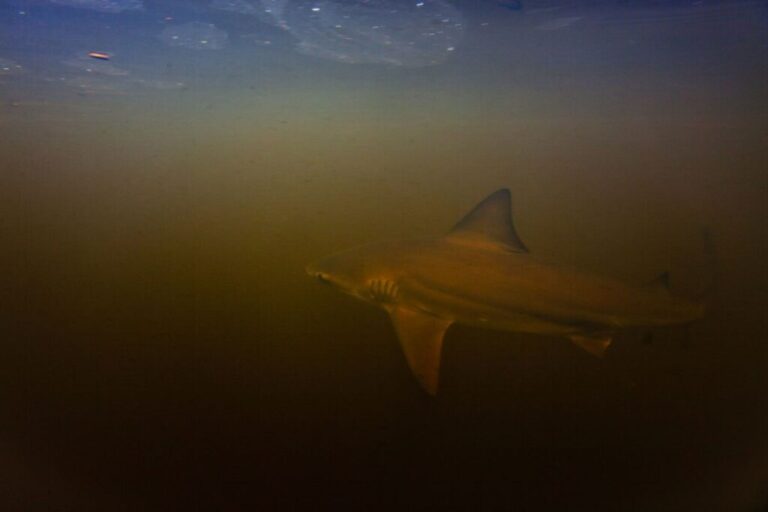
A bull shark photographed in the clouded Rio Sirena, Brazil. The bull shark can grow up to 11.5 feet and can be found around the world. Though it primarily resides in coastal waters, it can swim up to 160 miles up rivers, giving birth in estuaries or freshwater. With its blade-shaped teeth it can pose a threat to humans.
National Geographic Image Collection/Alamy Stock Photo
most dangerous fish in the world and aptly named, given its sharp teeth and vicious disposition. The rapacious species predominantly inhabits freshwaters of the Congo River basin and is a prized game fish, reaching up to six feet long and weighing over 125 pounds.” class=”wp-image-10916″ width=”1024″ height=”683″ />
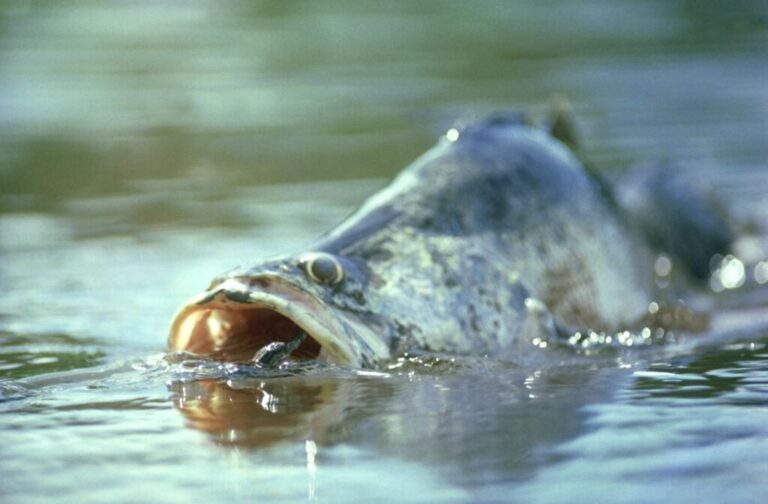
Giant tigerfish —
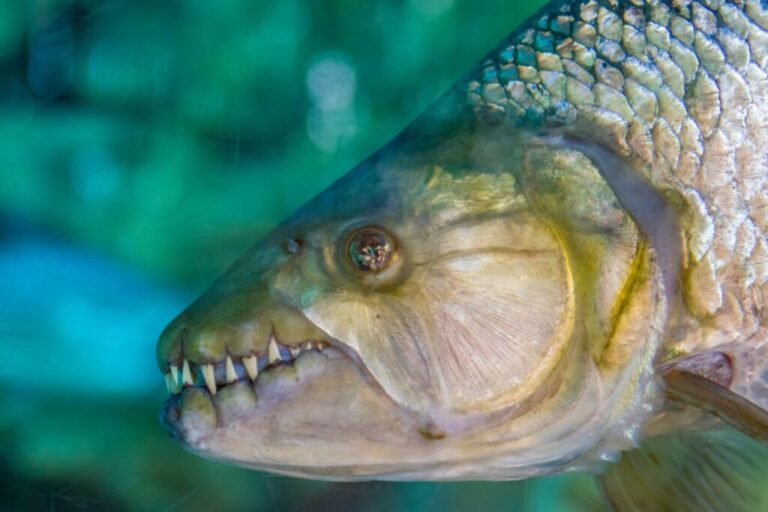
A giant tigerfish bares its dagger-like teeth. The tigerfish is among the most dangerous fish in the world and aptly named, given its sharp teeth and vicious disposition. The rapacious species predominantly inhabits freshwaters of the Congo River basin and is a prized game fish, reaching up to six feet long and weighing over 125 pounds.
Danny Ye/Shutterstock
10 feet in length, its relatively stout beak resembles the snout of its namesake, the alligator. While the fish are rarely consumed outside the southern United States, gars are sometimes caught for their diamond-shaped scales for crafting jewelry.” class=”wp-image-10917″ width=”1024″ height=”683″ />
Alligator gar —
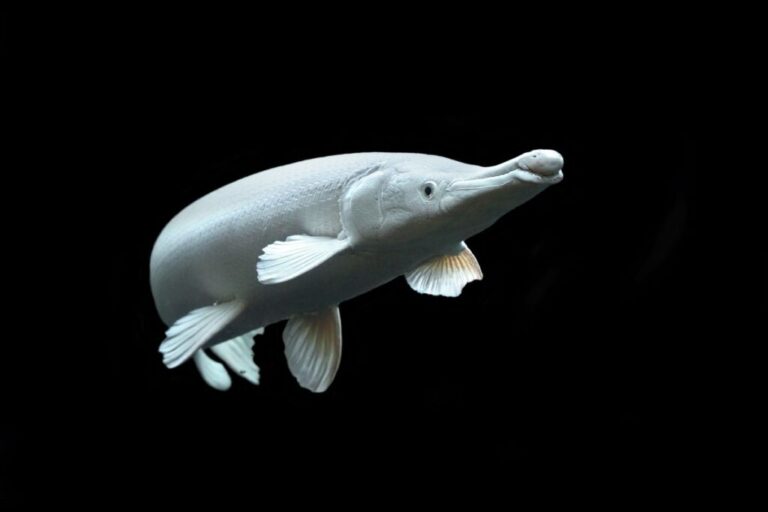
A dart-shaped, platinum alligator gar. The alligator gar is found only in the southern waters of the United States. A large freshwater fish measuring up to 10 feet in length, its relatively stout beak resembles the snout of its namesake, the alligator. While the fish are rarely consumed outside the southern United States, gars are sometimes caught for their diamond-shaped scales which are used for crafting jewelry.
Shutterstock
six feet long and weigh 300 pounds and is identifiable by its the green or brown scales decorating its long body and rounded tail. It’s a prized game fish, as well as an important food source. The wide-mouthed perch has been found mummified in ancient tombs in Egypt.” class=”wp-image-10918″ width=”1024″ height=”672″ />
Nile perch —
A Nile perch photographed preying on a baby crocodile in Uganda. Residing predominantly in the Nile and other African rivers and lakes, the Nile perch can grow to six feet long and weigh 300 pounds and is identifiable by its the green or brown scales decorating its long body and rounded tail. It’s a prized game fish, as well as an important food source. The wide-mouthed perch has been found mummified in ancient tombs in Egypt.
Mark Deeble and Victoria Stone/Oxford Scientific RM/Getty Images
26 feet long and weigh up to 3.5 tons. It inhabits the Caspian Sea and Black Sea, in Eastern Europe/Central Asia, traveling upriver to spawn in the spring or summer. Listed as critically endangered, the International Union for Conservation of Nature (IUCN) says its population has diminished as a result of the pursuit of the sturgeon’s meat and unfertilized eggs, which are touted as one of the world’s finest caviars.” class=”wp-image-10919″ width=”1024″ height=”680″ />
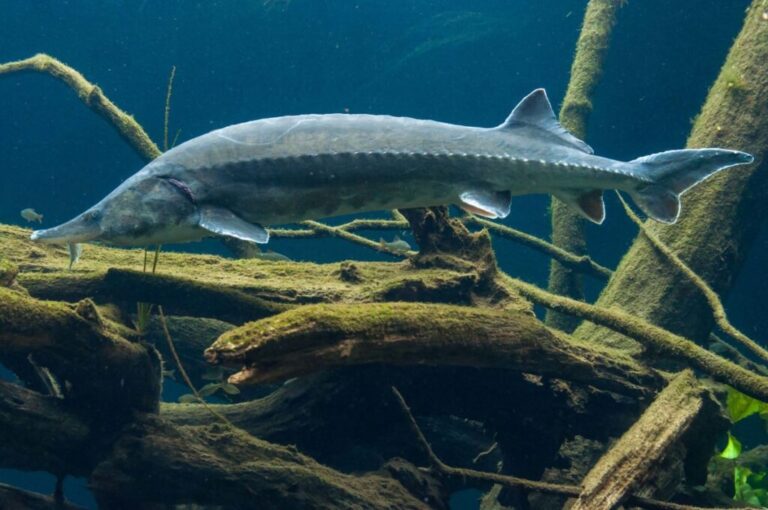
Beluga sturgeon —
The beluga sturgeon can grow up to 26 feet long and weigh up to 3.5 tons. It inhabits the Caspian and Black Seas, in Eastern Europe/Central Asia, traveling upriver to spawn in the spring or summer. Listed as critically endangered, the International Union for Conservation of Nature (IUCN) says its population has diminished as a result of the pursuit of the sturgeon’s meat and unfertilized eggs, which are touted as one of the world’s finest caviars.
Mick Rush/Shutterstock
10 feet long and 660 pounds, the Mekong giant catfish is critically endangered, largely due to infrastructure development, such as the building of dams, along the Mekong river, which hinder catfish migration and threaten their ability to reproduce, according to the WWF.” class=”wp-image-10920″ width=”1024″ height=”684″ />
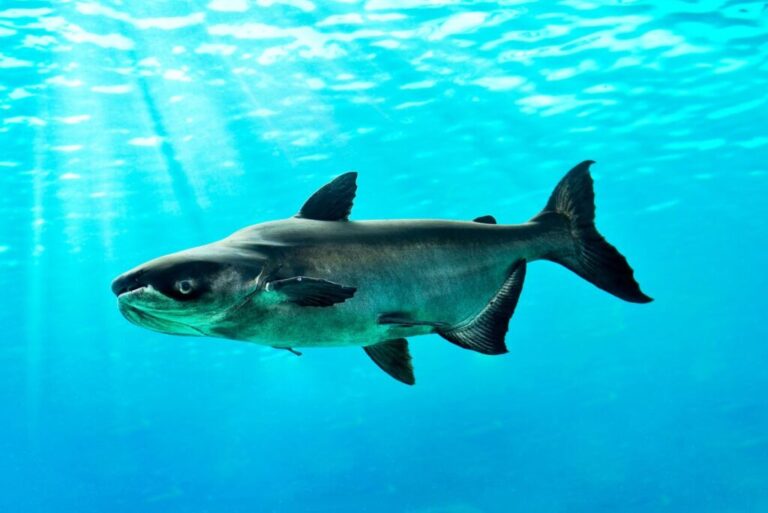
Mekong giant catfish —
Growing up to 10 feet long and 660 pounds, the Mekong giant catfish is critically endangered, largely due to infrastructure development, such as the building of dams, along the Mekong river, which hinder catfish migration and threaten their ability to reproduce, according to the WWF.
Tristan Tan/Shutterstock
Cambodia’s national fish, the giant barb (also known as the giant carp) resides in rivers and floodplain areas in the Maeklong, Mekong and Chao Phraya river basins of Cambodia, Thailand, Laos and Vietnam. The freshwater species is worthy of its name, growing up to three meters (9.8 feet) and an astonishing 661 pounds.” class=”wp-image-10921″ width=”1024″ height=”683″ />
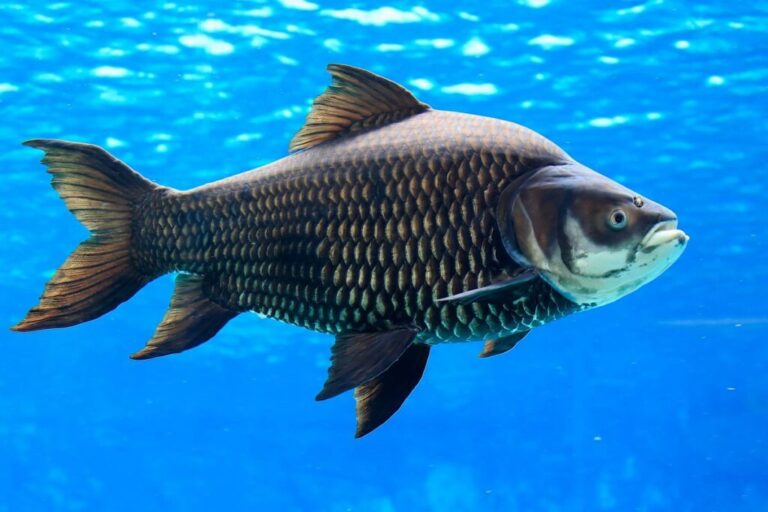
Giant barb —
Cambodia’s national fish, the giant barb (also known as the giant carp) resides in rivers and floodplain areas in the Maeklong, Mekong and Chao Phraya river basins of Cambodia, Thailand, Laos and Vietnam. The freshwater species is worthy of its name, growing up to and an astonishing 661 pounds.
“the tiger of the river,” mahseer are known for their strong jaws, large scales and enormity, growing as long as 6.5 feet and weighing 200 pounds. The mahseer has faced drastic declines in population as it is threatened by habitat degradation from pollution, and overfishing, says the WWF.” class=”wp-image-10922″ width=”1024″ height=”683″ />
Golden mahseer —
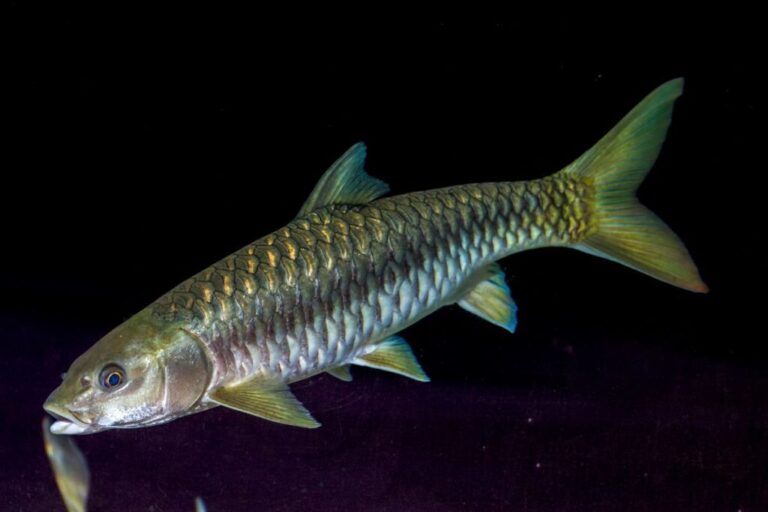
The golden mahseer, a game fish of the carp family, inhabits lakes and rivers of India and Southeast Asia. Nicknamed “the tiger of the river,” mahseer are known for their strong jaws, large scales and enormity, growing as long as 6.5 feet and weighing 200 pounds. The mahseer has faced drastic declines in population as it is threatened by habitat degradation from pollution, and overfishing, says the WWF.
Danny Ye/Shutterstock
WWF. In the Mekong basin the freshwater stingray can grow to 16 feet and buries itself in sandy river bottom, detecting its prey — fish and crustaceans — by sensing other animals’ electrical fields. The ray has a potentially lethal barb on its tail, up to 15 inches long and capable of piercing human flesh and bone.” class=”wp-image-10923″ width=”1024″ height=”684″ />
Giant stingray —
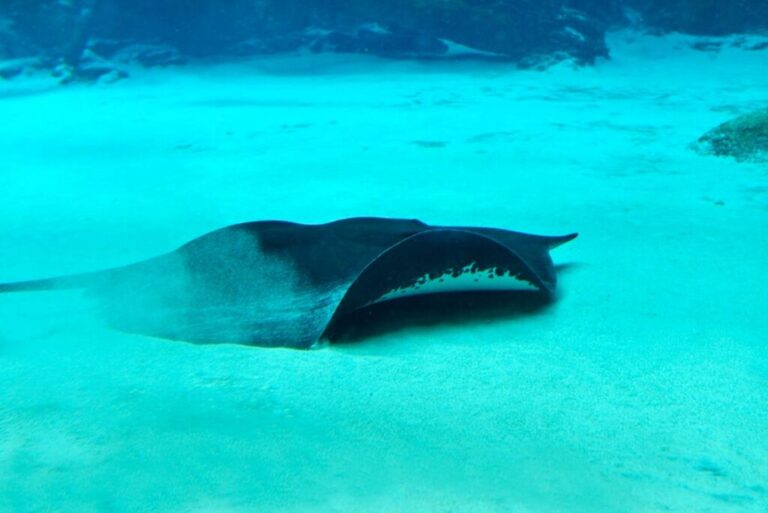
A Mekong giant freshwater stingray is pictured sliding along the bottom of sandy, blue waters. Giant freshwater stingrays can be found throughout East Asia, Southeast Asia and Australia, and some species grow up to half the length of a bus and weigh half a ton according to the WWF. In the Mekong basin the freshwater stingray can grow to 16 feet and buries itself in the sandy river bottom, detecting its prey — fish and crustaceans — by sensing other animals’ electrical fields. The ray has a potentially lethal barb on its tail, up to 15 inches long and capable of piercing human flesh and bone.
slpu9945/iStockphoto/Getty Images
River monsters: The murky world of giant freshwater fish
“We had a suspicion that they were still in the rivers of Borneo, but no one had ever gone to look for them,” he said.
“It was such an exciting and important discovery,” said Benaya Simeon, an Indonesiandoctoral candidateat Charles Darwin University, who was part of the expedition.
Simeon had seen other species of river sharks before, in pristine areas of Australia’s remote Northern Territory. “I honestly didn’t think we would still have that kind of habitat in Indonesia, particularly in North Kalimantan, considering our large human population and pressures from mining, palm oil plantations and other developments,” she said.
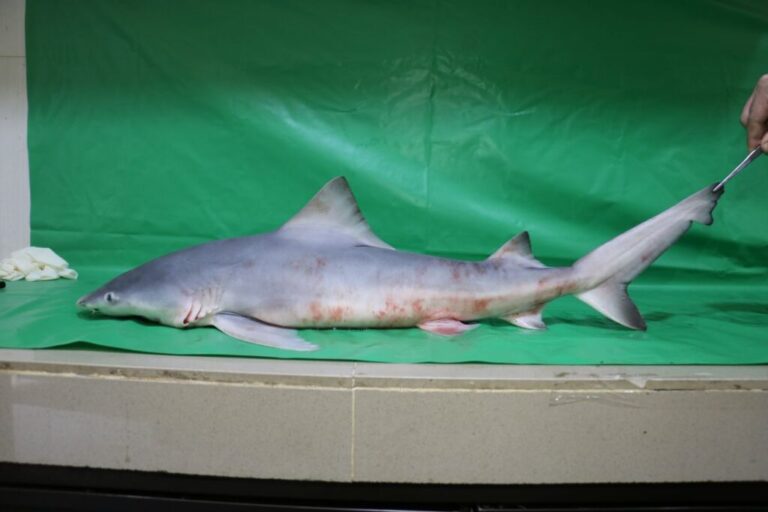
A dead juvenile Ganges shark, photographed by researcher Michael Grant in North Kalimantan, Indonesia.
Michael Grant
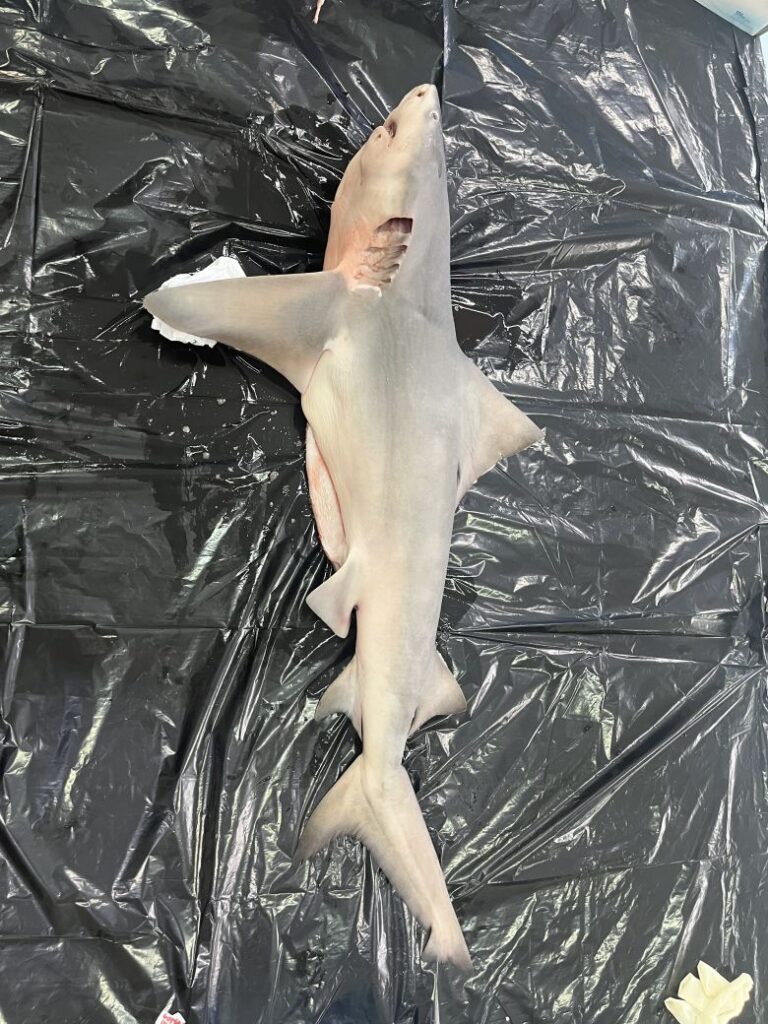
A dead Ganges shark shared with scientists in North Kalimantan, Indonesia in 2026.
Kiesha Lara Venga
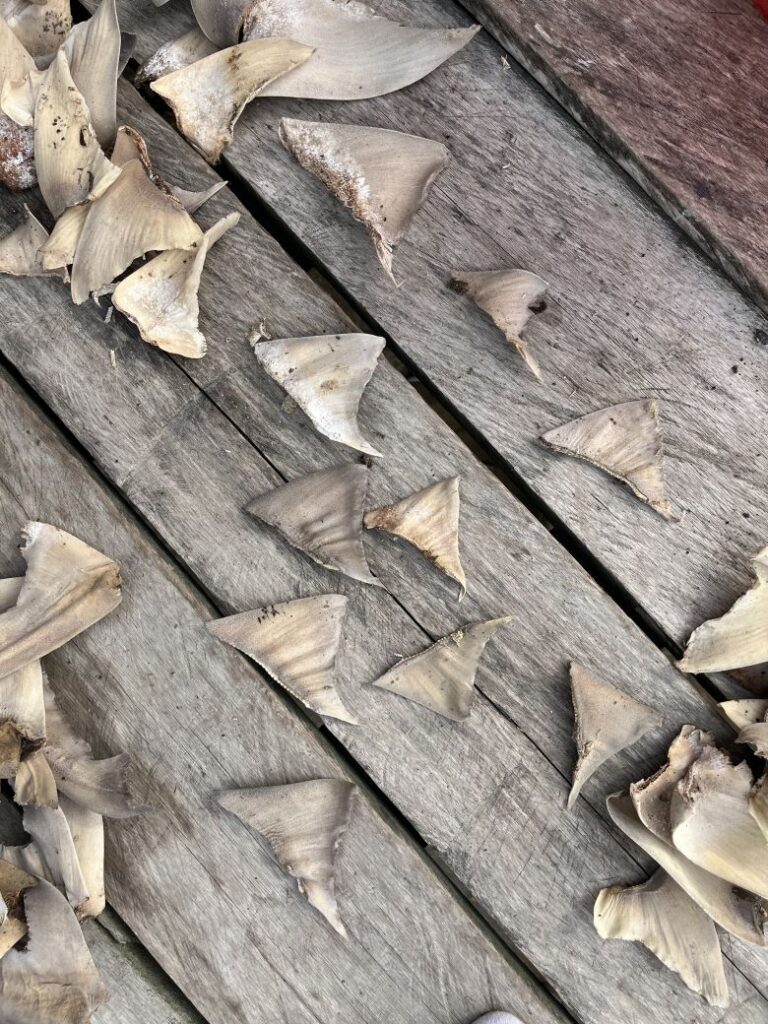
Shark fins drying in North Kalimantan. Researchers analyzed samples and discovered many were from Ganges sharks.
Kiesha Lara Venga
The find led the IUCN SSC Shark Specialist Group to designate the Sesayap River an Important Shark and Ray Area (ISRA) in 2024.
In May, the team of researchers returned to investigate further and kickstart protection of what Grant called “potentially the last viable population in the world.”
“It was a resounding success,” he said, with most of the communities they spoke to “happy to be the stewards of this species.”
Fortunately, Grant believes the population is unlikely to be exploited deliberately.
“There doesn’t seem to be any livelihood dependence or cultural significance” attached to the shark, he explained. Villagers don’t like its taste, he said, and its thin fins aren’t attractive to the Asian shark fin market. The risk of the animal being poached or trafficked is small, he added.
Unfortunately, the shark is still killed accidentally — and there’s a chance the situation could deteriorate.
The fisherman who caught 17 Ganges sharks in 2023 did so with a hook and line, which are used to fish for snapper and croaker in the river, said Grant. In an interview with researchers, he told them he’d caught sharks in a gillnet too (a fishing method unusual for the area, Grant noted).
But the issue of bycatch is bigger than one fisherman. The 2026 fieldwork found further evidence of Ganges sharks — raising the total to 43 between both trips — though most of it was in the form of fins found drying in villages. How these sharks died is unclear.
“Fisheries can be very dynamic,” Grant added. Fishers may go on to target another species, he speculated, using gear that increases the chance of Ganges shark bycatch.
Introducing legislation, whether prohibiting certain fishing gear, or establishing fishery exclusion zones before fishing practices change, is vital, Grant believes.
Sarah Fowler, scientific adviser at the Save Our Seas Foundation, who was not involved in the research, said the number of Ganges sharks found in North Kalimantan was “extraordinary.”
Fowler was concerned the population could be swept up in an emerging bycatch threat: the growing, multibillion-dollar fish maw industry. Fish maw — dried swim bladder — is a delicacy in China, a percentage of which is sourced illegally.
A shop in Hong Kong sells different varieties of dried fish maw.
Anthony Wallace/AFP/Getty Images
Anecdotally, Fowler said she’d heard trawlers were moving into areas of Kalimantan that had been fished sustainably for generations.
“Fish maw has a much greater range of bycatch than shark fin fisheries,” she said. One of the species fished for its swim bladder, she said, was the croaker.
“The Ganges shark … is definitely in the firing line,” Fowler added.
How do you protect a ghost?
How do you protect a species when it’s nearly impossible to study? This is the conundrum faced by specialists working with Ganges sharks.
“We still have very limited data about this species, but at the same time we are racing against extinction,” said Simeon.
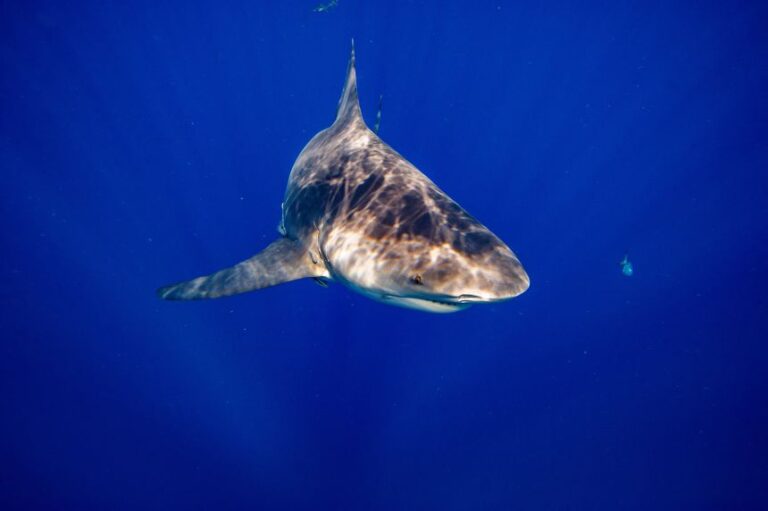
A bull shark in the sea off Florida. The Ganges shark has sometimes been mistaken for the bull shark in the past, though the latter is not a true river shark and only spends some of its time in fresh and brackish water.
Joseph Prezioso/AFP/Getty Images
Dr. Fahmi, principal researcher at Indonesian governmental body the National Research and Innovation Agency, was also part of the May expedition. He pointed out that elusiveness is no barrier to legal protection, and Indonesia has protected the sawfish and the Kai stingaree, two species that are extremely rare (the latter has only ever been documented twice).
He said that the team will share its findings and recommendations with local government, which can be escalated to a “national-level urgency,” which could prompt regulation.
The process will also include public consultation and an assessment of the possible impact of protective measures on rural communities with few job prospects outside fishing.
Grant described the legal pathway for protecting the Ganges shark as “a pretty open and shut case,” but Fahmi struck a note of caution.
“The government needs comprehensive data on species status, distribution, population trends, threats, current uses, and value to local communities, but such information remains lacking,” he said.
It may be more effective to introduce area-based protections rather than species-specific measures, he suggested, as the Ganges shark shares its habitat in North Kalimantan with species that are already protected, including Irrawaddy dolphins and giant freshwater rays.
Legal protection is one thing; ensuring it’s enforced is another. In 2023, the team surveyed 221 fishers in North Kalimantan and found only one was aware that three species of ray in the area were nationally protected.
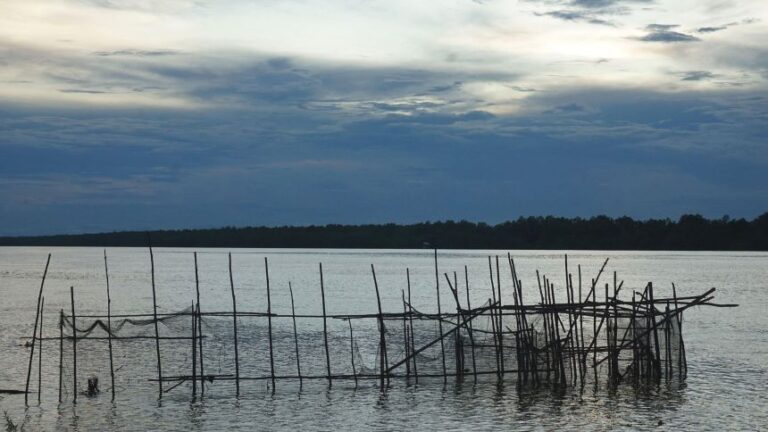
Used fishing net cages in the Sesayap River, North Kalimantan.
Akri Tadius Babis/Alamy Stock Photo
Simeon said that despite there being no scientific records of Ganges sharks in the region before 2023, locals must have known about them for generations. “For me, this is a good reminder that modern science cannot work alone,” she said.
The Indonesian academic said the locals’ willingness to protect the species “needs to be supported by science and by the government.” She advocated for incentives such as better education facilities, healthcare or services.
“Conservation will be much more sustainable if protecting the species also brings tangible benefits to the people who live alongside it,” she added.
With other Ganges shark populations possibly pushed beyond the brink, there’s optimism that the one found in northeast Borneo is numerous enough to mount a last stand.
Protecting the species will be challenging, but not impossible, Simeon believes.
“I think keeping that hope alive is important. We now know that this population exists, and that gives us an opportunity to act before it is too late.”
Grant, like so many experts in his field, shared that he had never seen a Ganges shark alive. What happens next in the Sesayap River could determine if he ever does.
 By admin