 By admin
Moderna’s mRNA vaccine combined with Merck’s immunotherapy Keytruda succeeded in a late-stage trial for skin cancer, the companies said on Wednesday, sending shares of the vaccine maker up 60% in premarket trading.
Read more How much of a cancer drug is too much? Patients, researchers challenge FDA-approved dosages
The study is ongoing, but interim results found the treatment, Intismeran, met both its primary target of reducing cancer recurrence and its secondary goal of keeping cancers from spreading to other parts of the body.
Moderna has been diversifying its portfolio beyond its COVID-19 vaccine. The company recently added an FDA-approved flu vaccine while developing experimental shots for diseases including norovirus and Lyme disease.
Analysts had noted the cancer vaccine data could be an important catalyst for the company and potentially strengthen investor sentiment. Last month Barclays analysts said they expect the therapy could generate about $3 billion for treating melanoma by 2035.
Shares of Moderna were trading at $103.60, while Merck climbed 7.5% before the bell.
The cancer treatment combines Merck’s Keytruda with a made-to-order mRNA vaccine from Moderna that is based on an analysis of mutations found in the patients’ own tumors.
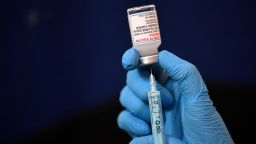
After a year of turmoil, cancer researchers see promising signs for mRNA vaccines
Read more The ‘world’s first rewilded sharks’ are being raised by shark nannies
The trial enrolled 1,137 high-risk patients with stage IIB-IV melanoma that had been surgically removed.
Volunteers were randomized to receive up to nine doses of Keytruda plus the personalized vaccine or Keytruda alone for about one year. The companies said no new safety signals have emerged in the trial.
In January, the companies announced results of a mid-stage trial of the treatment showing that it reduced the risk of recurrence or death by 49% after five years.
The companies said they will present their results at an upcoming medical meeting and share them with regulators.
Melanoma is the deadliest form of skin cancer. In 2023, there were more than 1.5 million people in the U.S. living with melanoma, according to the National Cancer Institute.
Read more Why Ossoff’s savage lampooning of Trump is taking off