 By admin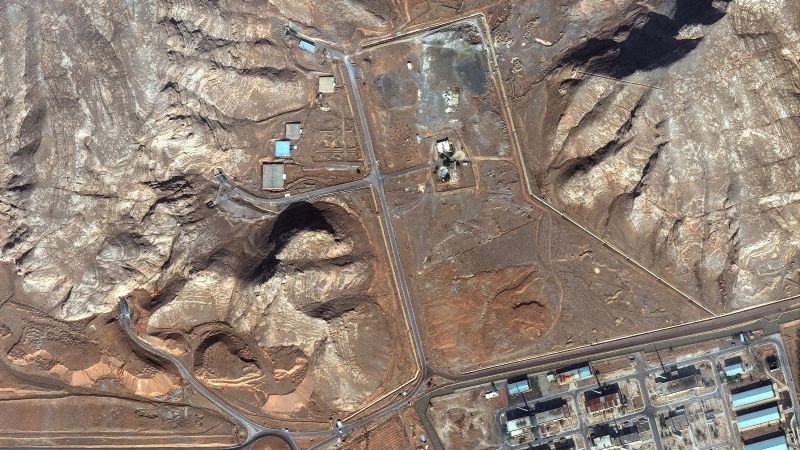
- Iran has escalated efforts to seal off its cache of near bomb-grade uranium, collapsing tunnels and planting explosive mines at entrances, according to five sources familiar with US intelligence.
- The fortifications make retrieval far more difficult and dangerous, complicating Trump administration negotiations for a deal to remove the material.
- Even Iran itself would now need heavy excavation equipment and de-mining efforts to access the roughly half-ton stockpile.
In recent weeks, Iran has dramatically escalated efforts to seal off its cache of near bomb-grade uranium, deliberately collapsing tunnels and booby-trapping entrances with explosive mines, according to five sources familiar with US intelligence.
Read more Kennedy Center must remove Trump’s name tonight, appeals court rules
Getting to the roughly half-a-ton of highly-enriched uranium is now far more difficult, dangerous and time-consuming than it already was just a month ago, when President Donald Trump was publicly signaling that he might order the US military to seize it, the sources said.
The new fortifications by the Iranians add an additional layer of complexity to the Trump administration’s proposed deal with Tehran to remove and destroy its uranium, and the move raises questions about who will take on the dangerous task of digging it out.
Iran’s diplomatic delegation to the United Nations did not immediately return a request for comment, and the White House did not immediately reply to questions from CNN.
Trump has repeatedly stated that securing the material is a priority for the US in the ongoing negotiations to end the war and re-open the Strait of Hormuz, which Iran has effectively closed.
And according to a senior administration official who briefed reporters Friday, the two sides are inching closer to a deal that would require Iran to turn its enriched uranium over to the US. It would be destroyed on site and then taken out of the country, according to that official.
But US and Iranian officials have offered conflicting accounts of the tentative deal, and its precise terms remain unclear. The purported text of a draft deal leaked to a semi-official Iranian news agency Friday, triggering an angry outburst from Trump on social media.
Exclusive: US military rushed to prepare ground mission to capture Iran’s uranium, but Trump paused it, sources say
Even for the Iranians themselves, several of the sources said, removing the enriched material would now be difficult and dangerous. It would require heavy excavation equipment and de-mining efforts — which are difficult and risky.
“If this reporting is true, it would definitely complicate … retriev[ing] the HEU,” said Scott Roecker, who headed the National Nuclear Security Administration’s Office of Nuclear Material Removal from 2017 to 2021.
It could also offer an opportunity for Iran to obfuscate its compliance efforts.
If negotiators “require that Iran bring the entire stockpile to a central location for verification and ultimately to remove or downblend the material,” that would place the onus on Tehran to access and “provide the full inventory” of enriched uranium, Roecker said.
But, “in this scenario, I would worry that Iran would claim that some portion of the HEU was irretrievable,” Roecker said. “We wouldn’t have full confidence that Iran couldn’t retain access to it at some point in the future.”
Read more Can Trump get a good Iran deal? Here are the major pitfalls that lie ahead
The international community believes most of the stockpile is in collapsed tunnels at the Isfahan nuclear complex in central Iran, with some additional material held at other sites.
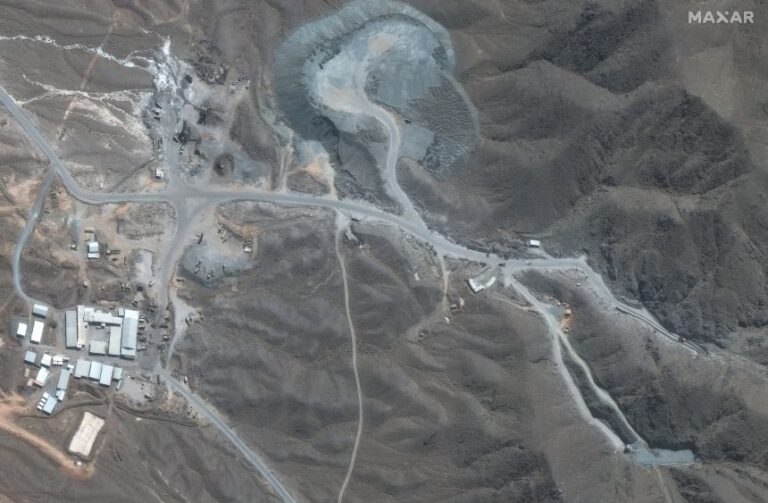
In mid-May, the military was prepared to conduct an operation to seize the nuclear material that was ultimately deemed to be too high-risk, CNN has previously reported.
But in the time since then, Iran has only further fortified the sites where its highly enriched uranium is believed to be buried underground.
Trump has previously acknowledged the dangerous nature of retrieving the uranium by force, and he expressed skepticism in a May appearance on Fox News that the Iranians would ever be capable of accessing and retrieving the buried nuclear material without detection from US intelligence.
“We know exactly what’s happening,” Trump told Fox host Sean Hannity of the site. “Nobody’s even gotten close to it.”
But by publicly discussing the uranium as a possible target, two of the sources noted, the president may have provided Iran with the impetus to better defend its own assets.
Now, even if the agreement between Tehran and Washington is signed in the coming week, additional technical negotiations to hammer out the details on the future of Iran’s nuclear program are expected.
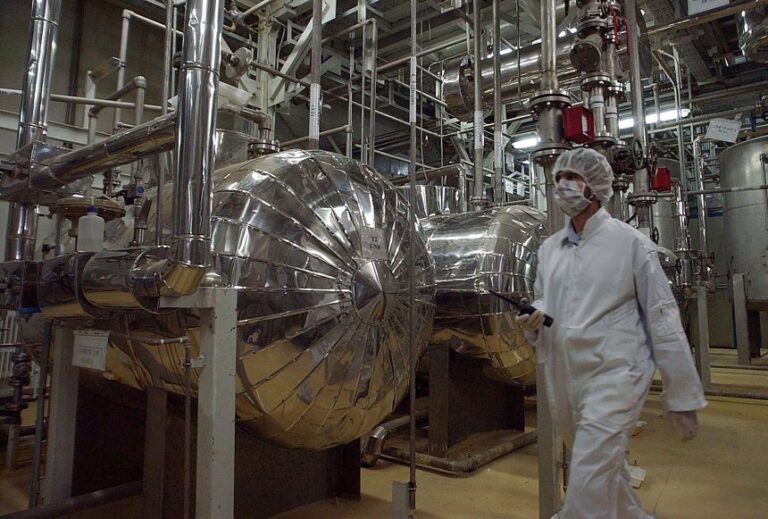
Removing the uranium from the country would likely require the deployment of a specialized mobile uranium facility organized under the National Nuclear Security Administration at Oak Ridge National Laboratory, Tennessee. CNN previously reported that top US negotiators Jared Kushner and Steve Witkoff visited the laboratory earlier this month.
But even the world’s top nuclear removal experts would need significant time to complete their task — Trump told reporters earlier this month that removal would take at least two weeks to complete.
Davis Winkie’s work at CNN is supported by a partnership between Outrider Foundation and Journalism Funding Partners (JFP). CNN retains full editorial control of the reporting.
Read more Judge rejects bid to stop UFC fight at White House