 By admin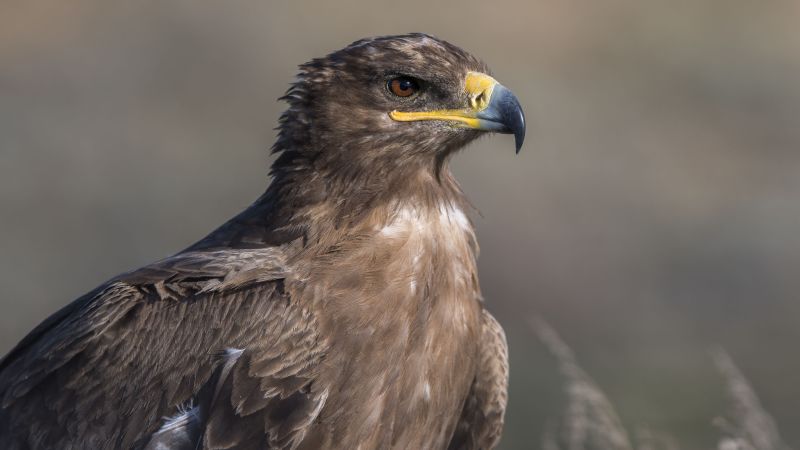
EDITOR’S NOTE: Call to Earth is a CNN editorial series committed to reporting on the environmental challenges facing our planet, together with the solutions. Rolex’s Perpetual Planet Initiative has partnered with CNN to drive awareness and education around key sustainability issues and to inspire positive action.
Walk beneath old pylons on Kazakhstan’s steppe and dead birds are an all-too-common sight. Bodies still, feet scorched, they litter the ground as powerlines hum overhead.
It’s an unhappy fate for tens of thousands of birds every year, experts estimate. But for one bird, this problem has come into sharp focus.
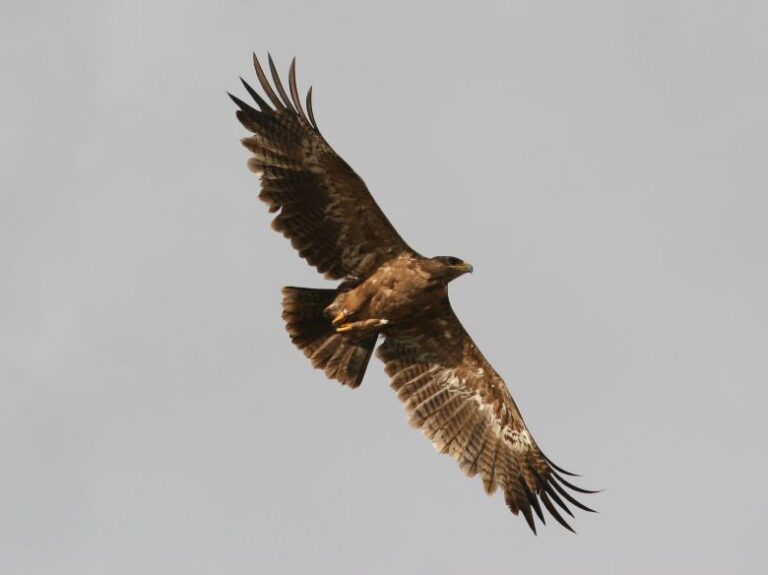
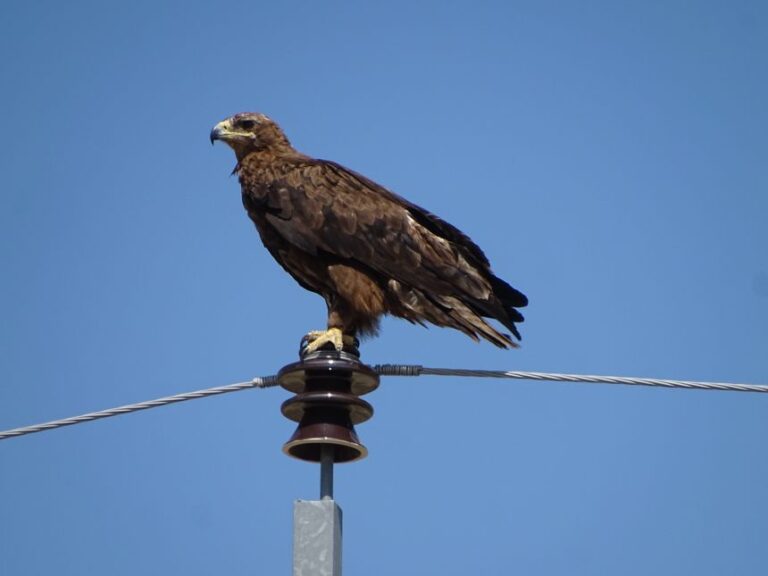
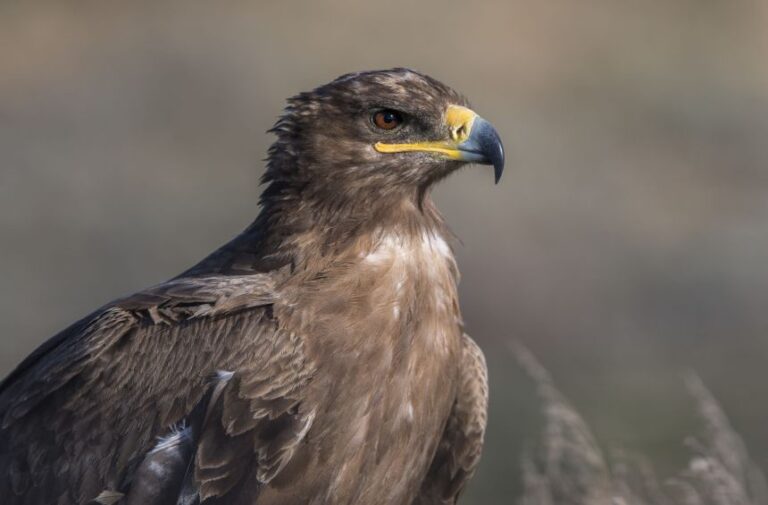
The steppe eagle is a cultural icon in the country. It adorns the nation’s flag and featured in its formernational anthem. The giant raptor, with a wingspan of up to 2.6 meters (8.5 feet), is a mainstay of Kazakhstan’s vast grassland, and an estimated 68-82% of the global population migrates from across Africa, the Middle East, South and Southeast Asia to the Central Asia country to breed. Understandably, many Kazakhs claim it for their own.
Yet the steppe has become a killing field and significant contributor to the eagle’s rapid decline. Around 50% of the global population has been wiped out in three generations (40-50 years), according to a recent report. What was once the most common large raptor in the world has been endangered since 2015.
One major reason is electrocution.
In the absence of trees, the eagle perches on electricity pylons or crossbeams to search for food, survey the landscape or, occasionally, nest. A wing or a tailfeather touches an uninsulated live wire a short distance away. Death.
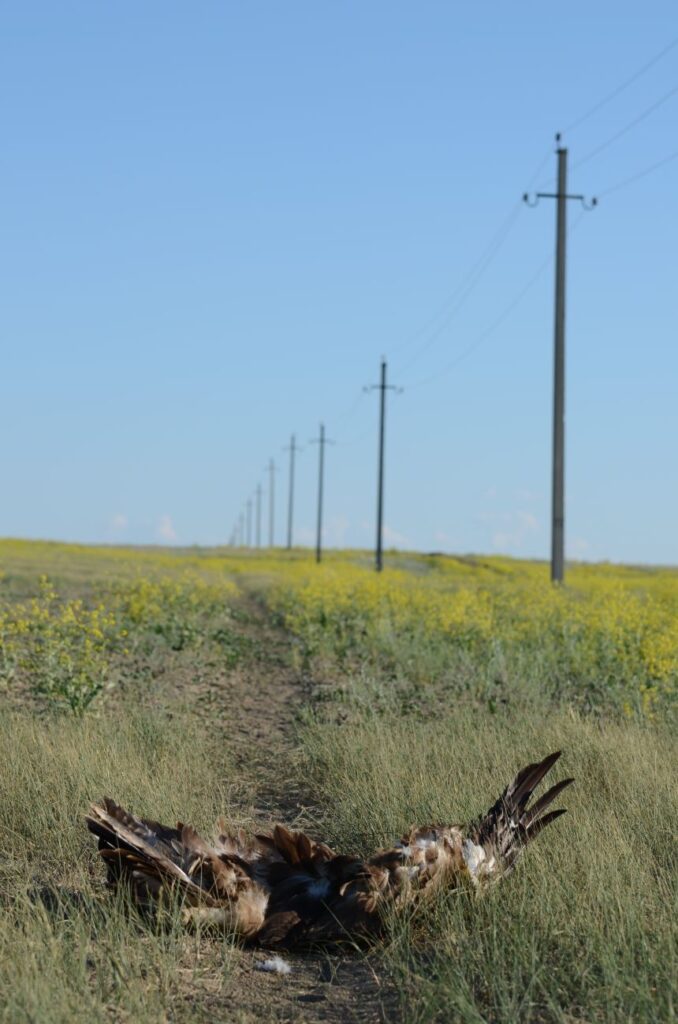
Dangerous power lines crisscross millions of acres of Kazakh steppe. Ministry of Energy data calculates that the network stretches more than 80,000 kilometers (50,000 miles), though that figure is “significantly lower than the actual situation,” and the true length could be around 200,000 kilometers (124,000 miles), according to Nurlan Ongarbayev, executive director of Kazakh advocacy group the Biodiversity Research and Conservation Center (BRCC).
Electrocutions increased in the 1970s, when infrastructure moved from wooden poles and crossarms to concrete pylons with steel crossarms. Medium voltage powerlines are the primary issue. The BRCC calculates thatfor every 10 kilometers (6.2 miles) of 6-10kV powerline, nine birds of prey are killed every year in Kazakhstan.
Exactly how many steppe eagles are killed by electrocution is hard to quantify due to the scale of the steppe and the lack of comprehensive monitoring, said Vera Voronova, executive director of the Association for the Conservation of Biodiversity of Kazakhstan (ACBK). One 2008 study estimated annual steppe eagle electrocutions were as high as but Voronova cautioned that’s likely outdated. More recent research suggests fewer annual deaths — though there are now fewer birds left to be killed, she added.
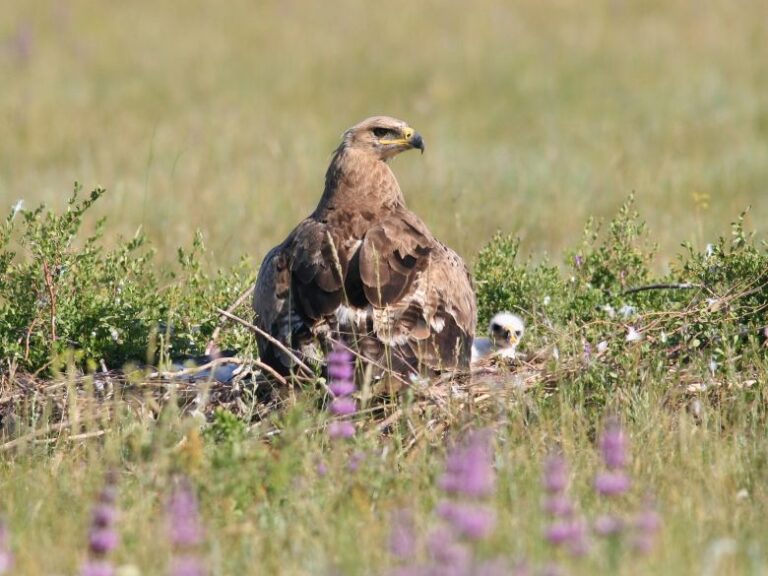
There are an estimated 30,000 breeding pairs remaining worldwide, said Jenny Weston, species recovery program manager at the Royal Society for the Protection of Birds, a UK conservation charity.
Weston authored a , published during the Conference of the Parties (COP) 15 Convention on Migratory Species (CMS) in March. In the report, reducing electrocutions and collisions with energy infrastructure was named as a “high priority,” alongside curbing unintentional poisonings and illegal trafficking. These threats exist throughout the eagle’s range, said Weston.
Weston described the Kazakh steppe as the “stronghold” for the eagle’s breeding population, but an increasingly perilous one. On top of electrocution risk, steppe eagles primarily nest on the ground, and “Kazakhstan is high risk for increases in steppe fires with climate change,” she said.
But despite the scale of the problem, preventing electrocution is relatively simple.

Nature’s cleanup crew: Stunning photos show vultures in a different light
In 2013, Voronova conducted a pilot project in a village in the Karaganda region, which had reported high numbers of dead eagles and frequent blackouts, she said.
The pilot installed inexpensive insulation tubing around the live wire near pylons and crossbeams along powerlines around the village. An assessment six months later found it was at reducing electrocutions. On her last visit to the village in 2024, Voronova said the insulation tubing was still in place.
“(Remedial insulation) can be incredibly successful,” said Weston. Longevity may be a problem, “but hopefully it’s long enough so that it outlives the pylon itself.”
Weston pointed to recent projects in Mongolia and the Balkans as further evidence that insulation works.
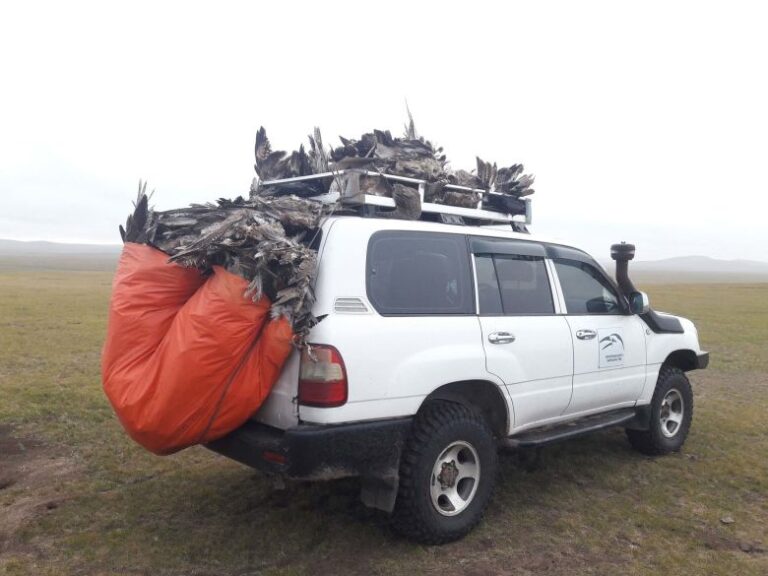
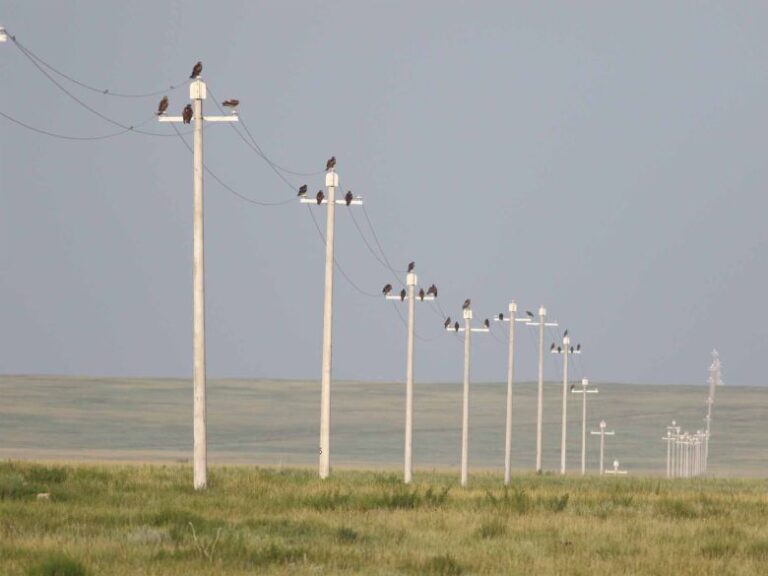
In Mongolia, the saker falcon has also been electrocuted in significant numbers. An initiative supported by the Mohamed Bin Zayed Raptor Conservation Fund (MBZRCF) has retrofitted covers to over 28,000 pylons since 2019. The Fund, founded by the President of the United Arab Emirates, said it was the largest rollout of its kind, and reported electrocutions had reduced by 95%.
In the Balkans, Egyptian vultures also face electrocution. In 2017, the endangered population, which had dropped to 70 pairs in the region, was aided by the Egyptian Vulture New Life project, a multi-institutional effort that insulated nearly 500 pylons near nests in Bulgaria and Greece, and fitted bird deterrents. Paired with other measures, including a breeding program the population stabilized.
“The first thing we would ask to advocate for is energy infrastructure pylons to be safe to begin with,” Weston said, “which saves everybody a lot of effort.”
The steppe eagle has full legal protection under Kazakhstan’senvironmental code, and its capture, killing or disturbance can result in fines or compensation. Gray areas exist, however, and laws are hard to enforce, according to Ongarbayev.
“Under the current wording of the law, liability for operating power lines that are hazardous to birds is not, in fact, a violation,” he said. For a company to be held liable, a bird must be proven to die as a result of the company’s activities, and a government inspector to receive a complaint from an interested party with supporting evidence, he explained.
“Given the great length of the power lines, the small number of employees at the authorized agency, and budget constraints, the agency is effectively unable to regularly investigate cases of bird deaths on power lines,” Ongarbayev added.
In a statement to CNN, Andrey Kim, deputy chairman of the Forestry and Wildlife Committee at the Ministry of Ecology and Natural Resources,said the Ministry “recognizes bird mortality from electrocution and collisions with power infrastructure as an important conservation issue.” He added that in recent years, the government “has been consistently strengthening its legal framework to reduce the impacts of power infrastructure on wildlife.”
Kim pointed to amendments to wildlife protection laws that came into force on August 20. They include legal requirements aimed at preventing bird electrocutions on newly constructed power lines, and the modernization or reconstruction of existing power lines.
The law, he said, also allows for secondary legislation to establish technical requirements for bird protection devices, and to determine which power lines present a risk to birds. “This will create a comprehensive regulatory framework for the implementation of bird-safe infrastructure across Kazakhstan,” Kim argued.
Bird protection devices are typically insulating covers fitted over parts of pylons, crossarms or power lines.
CNN has asked to see the full legal document. A timeline for the retrofitting of dangerous power lines has not yet been released by the Ministry, nor is it clear who will finance the enormous task.
Still, there’s evidence of infrastructure owners taking positive steps already.
National gas and oil transportation companies, a uranium producer and one regional electricity company have partially equipped power lines with bird protection devices, said Ongarbayev. Voronova said state-owned railway company Kazakhstan Temir Zholy and the Caspian Pipeline Consortium have isolated some of their old power lines. And in June 2025, the Kazakhstan Energy Grid Operating Company (KEGOC) signed a memorandum of understanding with the MBZRCF, which will advise on “nature-positive” infrastructure solutions for raptors.
Voronova said she’d spoken to Kazakh bird protection device manufacturer AVIS, which told her it was processing “quite a lot of orders.”
But protection remains far from comprehensive, and birds continue to die, with implications beyond Kazakhstan’s borders.
“We have a national responsibility,” said Voronova, “to create sufficient conditions for the species to recover.”
Read more Martian moon Deimos resembles a potato. A big asteroid strike may have shaped it