 By admin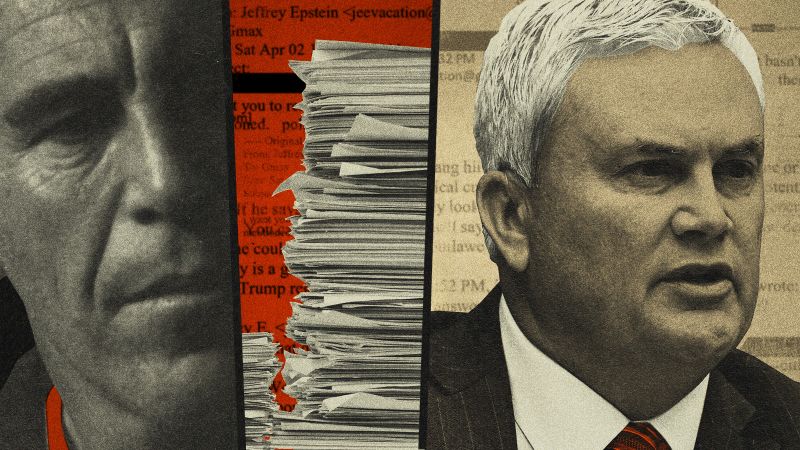
Last summer, when lawmakers launched their Jeffrey Epstein investigation, it came with an ambitious promise: to pull back the curtain on decades of failed federal probes, secure the full release of long-withheld files and provide a public accounting of how the late pedophile evaded accountability for so long.
Read more Republicans may finally snare Dr. Fauci in Covid’s last culture war
A year later, the probe has kept Epstein in the headlines, but its parade of high-profile witnesses has failed to produce the kind of revelations many lawmakers and Epstein survivors had hoped for. Instead, the investigation has been defined by closed-door interviews, with many witnesses denying knowledge of Epstein’s crimes or saying they do not recall key details. Survivors have alleged that one former Epstein assistant recently lied to the committee about what she knew or saw.
That gap between expectations and results is now a central point of tension hanging over House Oversight Chairman James Comer’s probe.
“I feel more pressure to achieve something than not do something,” he told CNN.
Comer, a Republican from Kentucky, told CNN that he is “very confident” the Justice Department will have no choice but to reopen its Epstein investigation after his committee sends prosecutors a “to-do list” later this year.
But interviews with more than a dozen lawmakers and sources involved with the probe paint a much more complicated picture. As President Donald Trump urges the country to move on and the Justice Department continues to insist it lacks evidence to bring new prosecutions, frustrations are boiling over— not just among Democratic committee members, but their Republican colleagues, who are increasingly voicing concern over what the probe has achieved.
Many witnesses have been allowed to appear voluntarily rather than under subpoena, or even on camera, leading to criticism that those closest to Epstein have gotten an easy out, especially those who come armed with expensive lawyers, which they often do.
“How many people do you have to hear, ‘I do not recall.’ And you know, it’s just a load of bullsh*t,” GOP Rep. Nancy Mace told CNN recently. “It’s just like, just tell the truth, and they couldn’t do it. Most of them, many of them.”
Mace has been among the few Republicans on Oversight to consistently criticize the probe and was one of just four GOP members to force a vote on releasing the Epstein files last year. Only one of them, Colorado Rep. Lauren Boebert, is running again to return to Congress.
GOP Rep. Rich McCormick, a Georgia Republican and staunch Trump supporter, was blunt when asked recently by CNN if he has learned anything new from the panel’s series of closed-door interviews. “I haven’t,” McCormick said, but he added he wasn’t sure what else the panel could do to push for more transparency or information.
‘We’re on a time clock’
Democrats have vowed to call witnesses back in under subpoena should they take control of the House next year. The committee’s top Democrat, Rep. Robert Garcia, says interviewing President Trump and first lady Melania Trump are among his top priorities next Congress, and he argued that Republicans set the precedent when they deposed Bill and Hillary Clinton in February.
“It has been really jaw-dropping to see how the men who have come before us, and in some cases the women who have come before us, continue to lie so brazenly,” said Rep. Yassamin Ansari, a Democrat from Arizona. “I think it demonstrates that they are very much accustomed to the fact that they have gotten away with this.”
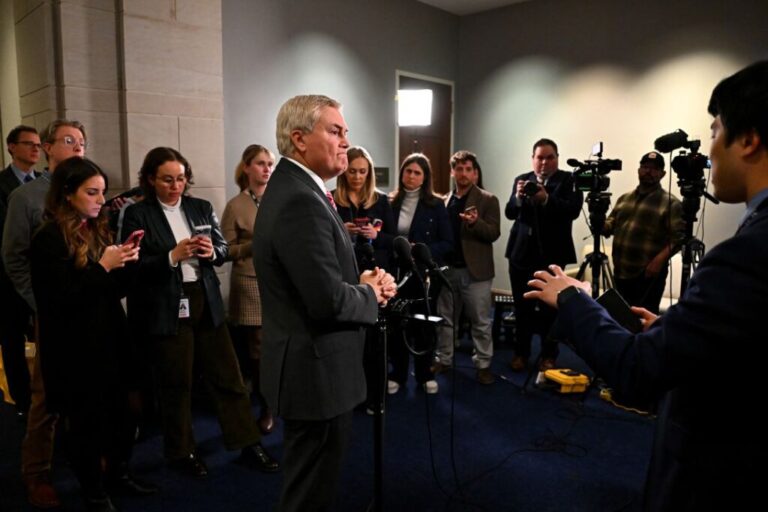
Defending his strategy, Comer told CNN it would have taken far too long to call every witness in on a subpoena. “These people can fight these subpoenas for months and months and months and months and run out the clock,” Comer said. “If they will come in voluntarily, then that saves a lot of time. And we’re on a time clock because this Congress expires and it’s rapidly approaching.”
Among the most revealing moments, according to Democratic Rep. Melanie Stansbury, are when witnesses or their attorneys request to go off the record.
“Generally the witness was consulting with their attorney about whether or not to answer questions they did or did not want to answer. But because that wasn’t on tape, the public doesn’t see that,” Stansbury said. “You don’t even see the gaps in the written record. But that would happen pretty much in every single (transcribed interview) in almost every hour, with every witness.”
Democrats have also called out Republicans on the panel for refusing to look at Trump’s mentions in the Epstein files or how his administration sought to micromanage release of the Epstein files as the issue became a public relations crisis that ripped through the Republican party.
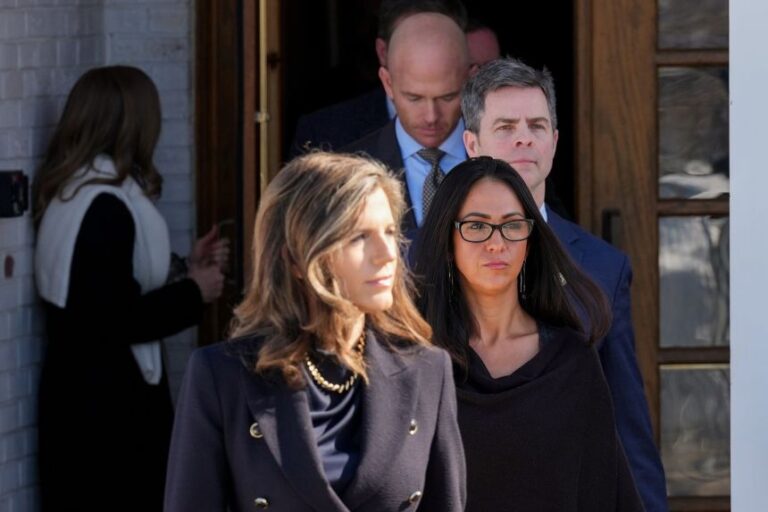
GOP Rep. Eric Burlison, a committee member, said he understands why the White House has wanted to move on from Epstein but is still glad Republicans on the Oversight Committee are continuing to do the work.
“They’re expected to do all this work that everybody was supposed to be doing for 20 years,” Burlison said of the White House. “Meanwhile, all of the president’s agenda, his real priorities, are getting shelved because of this one issue. And so, I can see why if you’re the president, there’s frustration that you’re having to spend all this time on something that you think is a non-issue.”
That pressure from the president, Democrats say, overshadows the entire probe.
“Republicans have told us that they have faced harassment, phone calls, and requests from the White House to not engage on this investigation and this topic,” Stansbury said.
Stuck in the middle is Comer, whospent his first two years as Oversight chairman investigating former president Joe Biden, which did not result in impeachment charges. Comer insists when he talks to Trump now, his probe into Epstein never comes up.
“It’s probably likely there are some people in the party that would like to stop it, but they know they can’t come up to me and tell me what to do so we’re going to finish the job,” Comer said.
Despite the criticism, Comer proudly ticks off the work the probe has done, including 19 interviews, with many witnesses who have never been questioned about their ties to Epstein. It’s also secured the release of approximately 128,6000 from the Epstein estate, including never before seen bank records.
“I know the Department of Justice has said the case is closed, but I’m very confident it will be reopened very soon,” Comer told CNN.
A tortured origin story
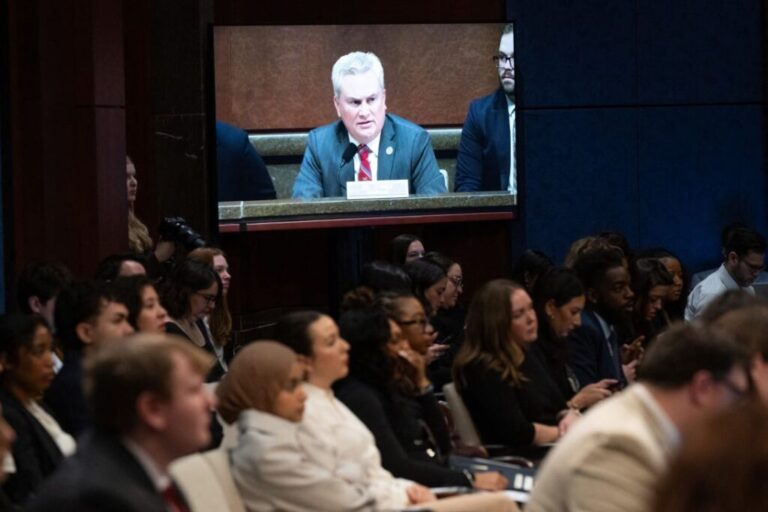
The Epstein probe was fraught before it even began.
After the Justice Department said last July that it would not pursue further Epstein investigations, Congress was in turmoil over how to force the administration to release the files. The White House wanted to move on. To avoid a vote, House Republican leaders sent lawmakers home a week early for their summer break.
But numerous Republicans knew that back home, they’d face blistering questions over the issue. And Democrats were looking to subpoena the Justice Department for the files. Comer conveyed to some of his Republican colleagues that he was under pressure from the White House to stop the Democratic effort, according to a source familiar with the conversations. Republican committee staff had warned the White House that if brought up for a vote, Republicans would largely vote in favor of transparency, a second source familiar with the matter told CNN.
To broaden the focus beyond President Trump, Republicans devised an idea that in addition to the DOJ, they would also subpoena a long list of individuals such as Bill and Hillary Clinton, the source said. Pennsylvania GOP Rep. Scott Perry had the idea to expand the scope of the investigation, and he was backed by Mace as well as Georgia GOP Rep. Brian Jack, who was getting battered back home over the issue, according to two sources. Comer never told his members how to vote, the second source told CNN.
Read more FDA approves first mRNA-based flu vaccine
Republicans delayed the vote, which could have hurt attendance, but Democratic Rep. Summer Lee, who brought forward the subpoena motion, made sure all of her fellow Democrats delayed their travel plans to be there for the vote.
“That motion to subpoena is the thing that got the ball rolling,” Lee told CNN.
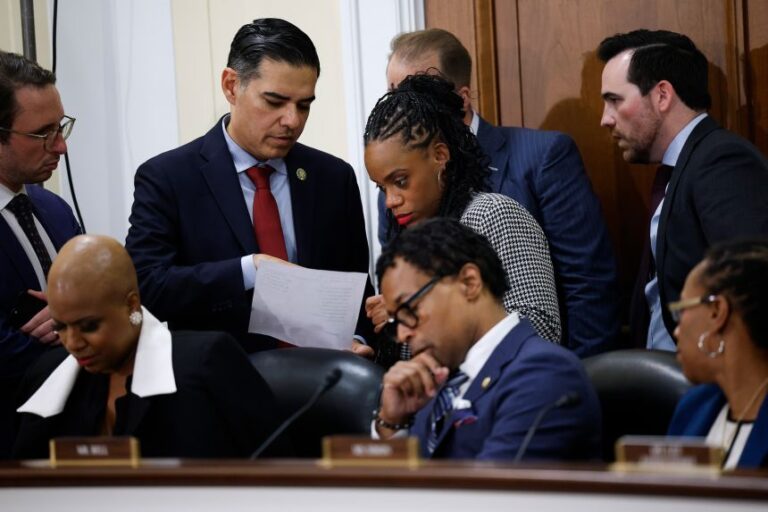
With the House Oversight Committee now taking point on Epstein, House GOP leadership had a few months of cover, but it didn’t quell the furor for more action. When lawmakers returned in September, Comer gathered his Republicans with a message: Be a team and stay united, according to one of the sources familiar with the conversations.
But a bipartisan coalition had been formed, one that’s been the engine that led to the separate law, passed in November 2025, compelling the Justice Department to release the Epstein files. A handful of Republicans — despite intense internal party pressure — joined a bipartisan push led by GOP Rep. Thomas Massie and Democratic Rep. Ro Khanna. The law didn’t have a clear enforcement mechanism, but it did result in the release of more than 3.5 million pages of Epstein files.
Other glimmers of bipartisanship in the probe have included Mace leading a vote to subpoena former Attorney General Pam Bondi for her role in overseeing the release of the Epstein files, Republicans calling for Commerce Secretary Howard Lutnick to be interviewed, and a handful of Democrats being willing to hold Bill and Hillary Clinton in contempt of Congress if they refused to comply with their subpoenas.
The first witness to be interviewed, former Attorney General Bill Barr, complied quickly with his subpoena for a deposition in August, but by the winter, signs of concern were emerging. For billionaire retail magnet Les Wexner’s deposition in February, committee staff and Democratic lawmakers traveled to Ohio. Wexner has long been viewed as a pivotal figure in Epstein’s extraordinary rise, but the interview didn’t elicit much new information.
House investigators questioned the 88-year-old Wexner for hours, but the interview frustrated some who felt key issues were insufficiently pressed. Wexner repeatedly denied knowledge of Epstein’s criminal conduct, telling lawmakers under oath he was “conned” by Epstein. Wexner frequently deferred to his attorneys, and offered few new details, leaving longstanding questions about their relationship unresolved.
‘It’s so lawyered up’
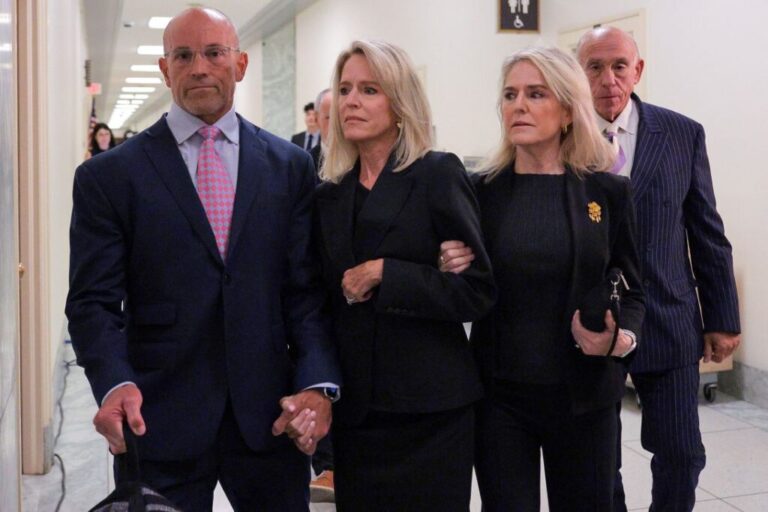
Two days of back-to-back interviews in June crystalized how high expectations have been met with the crushing realities that have plagued the probe so far.
It took three months for the Republican-led panel to secure both billionaire Bill Gates and Epstein’s longtime assistant Lesley Groff.
Walking into the Gates interview on June 10, Comer said he hoped the interview would be “productive.” But about halfway through, GOP Rep. Tim Burchett walked out frustrated and wondering what the point of it all was.
Gates, who told Congress that he had no knowledge of Epstein’s crimes, was the latest to distance himself from the disgraced financier, serving up another dead end.
“It’s just the minutia,” Burchett reflected on what it was like in the room. “It’s so lawyered up.”
A day earlier, Comer framed Groff as someone who possessed information “very valuable” to the investigation. Groff testified that she never met any of the girls and young women who provided massages to Epstein and didn’t know anything about their backgrounds.
Some Epstein survivors say that Groff was not telling the truth, and the panel is debating what action to take.
For many lawmakers in the room, the number of denials they’ve heard from witnesses has been staggering.
Two of Epstein’s longest serving employees, his accountant and lawyer, claimed to have no knowledge of Epstein’s crimes. As co-executors of Epstein’s estate, they set up a victims’ compensation fund, which says it distributed approximately $125 million to eligible applicants before winding down in 2021. Recently, the two agreed to settle a class-action lawsuit from Epstein victims that alleged the pair were “facilitators” in Epstein’s sex trafficking operation, allegations they strongly deny. The settlement, which still needs sign-off from a judge, would pay up to $35 million to victims.
Bondi, who appeared before the panel voluntarily instead of under a subpoena in May after being fired consistently did not answer questions she and her legal team deemed outside the scope of the interview.
And most recently, former Barclays executive Jes Staley claimed he had no friendship with Epstein even though he was banned from holding senior roles in the UK financial services industry for misleading regulators about his relationship with him.
Some lawmakers have wished the probe moved faster. But to Comer, the lack of speed was unavoidable.
“The pace for this investigation is never going to be as fast as it should be because that’s unfortunately the way Congress works,” he said.
In moments where he can get the investigation to move quickly, he has. The panel quickly referred allegations from Epstein’s longtime assistant that two men sexually abused her to DOJ. During a closed-door interview, the committee subpoenaed billionaire investor Leon Black when he refused to cooperate voluntarily. Throughout the probe, Comer has been regularly meeting with Epstein survivors to determine whether any witnesses have lied.
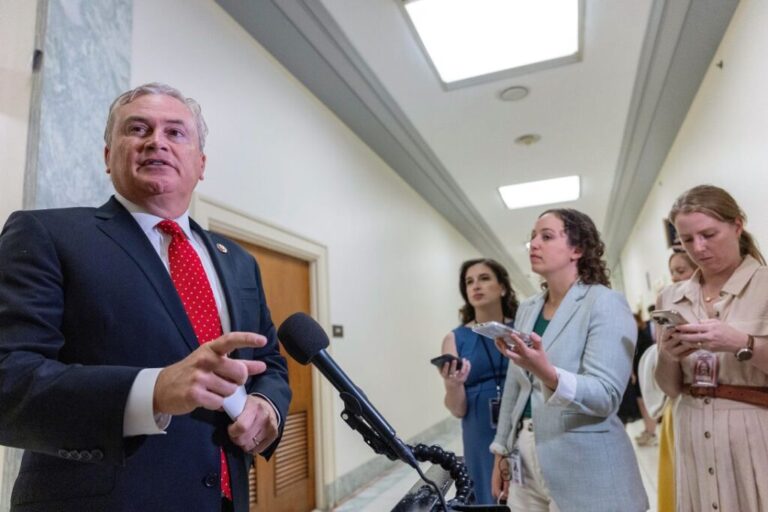
‘It’s just getting started’
Republicans are racing to finish their Epstein probe by year’s end. The panel has a September deposition with Black, a push to interview Alan Dershowitz, and a promise to bring in acting Attorney General Todd Blanche about his role in the release of the Epstein files.
There is also talk of doing a hearing with victims of Epstein’s abuse, who Comer and committee staff are in regular communication with.
For many, the probe can’t end until all of the Epstein files are released.
“In many ways, it’s just getting started,” Garcia told CNN.
As for Mace, who is set to retire after losing her bid for governor, she knows she won’t be able to stay in the fight next Congress but doesn’t regret pushing as hard as she did.
“I would not change what I did for anything else, even if it cost me my political career,” Mace said.
Read more Senate subcommittee obtains Fauci’s phone ahead of contempt vote