 By admin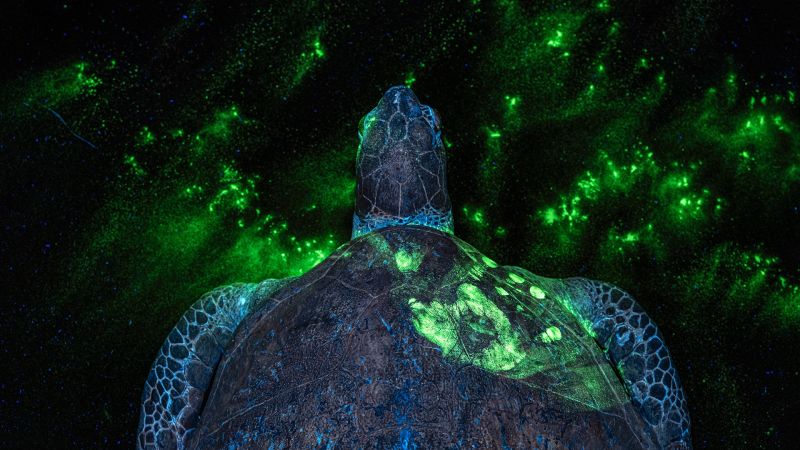
EDITOR’S NOTE: Call to Earth is a CNN editorial series committed to reporting on the environmental challenges facing our planet, together with the solutions. Rolex’s Perpetual Planet Initiative has partnered with CNN to drive awareness and education around key sustainability issues and to inspire positive action.
Read more Supreme Court declines to halt daily $800 fine for ex-Fox News reporter refusing to divulge sources
Forensic science and the fight against the illegal wildlife trade was in focus at the Earth Photo 2026 Awards, where photojournalist Britta Jaschinski claimed top prize for her haunting portfolio.
The UK-based German photographer is a multi-award winner, and adds the Earth Photo prize to the Environmental Photographer of the Year Grand Prize she received in April from the Prince Albert II of Monaco Foundation.
Jaschinski’s latest series was photographed across the UK and Europe with wildlife crime units using techniques new and old to tackle the scourge of trafficking.
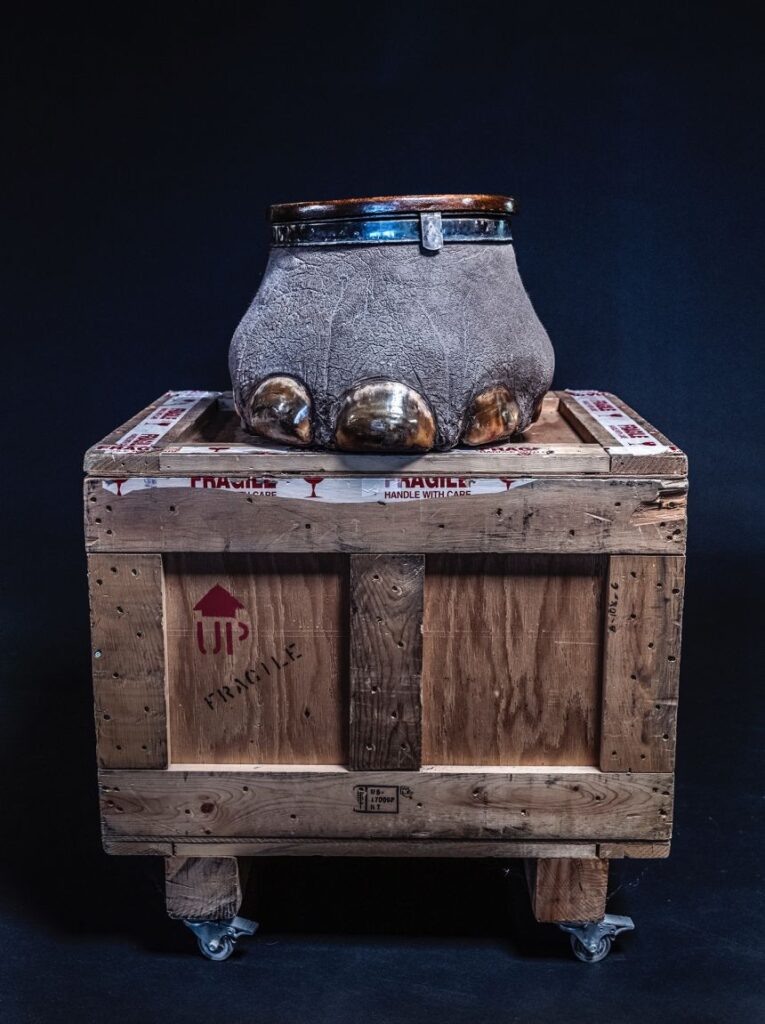
The objects themselves include a stuffed lion’s head, a bottle opener made from a lion’s paw, myriad reptile skins, an elephant’s foot and ivory, and other remains. Jaschinski’s unflinching lens highlights how these majestic animals have been debased into commodities, and the investigators tirelessly working to find the perpetrators.
The most arresting photograph, featuring a dead green sea turtle, looks like a scene from a fluorescing coral reef. But look closer and you can see a handprint on the turtle’s shell, illuminated by special powder dye applied by a forensic expert. The turtle could be in its natural habitat but it’s not: it’s another victim.
“Seeing that level of forensic expertise applied to a turtle was both unexpected and extraordinary. Watching the team work felt almost like witnessing magic,” Jaschinski told CNN in an email.
“What stayed with me most was the sense of hope, also because this can act as a deterrent. For too long, organised criminal networks have viewed wildlife trafficking as a low-risk, high-reward enterprise, with low conviction rates and relatively light penalties. As forensic science becomes more sophisticated, that equation is beginning to shift.”
These photographers are working to protect the oceans
The image foregrounds the work of Louise Gibson and Alexandra Thomas, who spearhead the Wildlife Crime Lab at the Institute of Zoology, the research division of the Zoological Society of London.
The lab says its research has shown that some new-generation powders can recover quality fingerprints from 70% of wildlife specimens tested, and that it’s possible to recover DNA left by individualshandling specimens. It shares its research with authorities including Greater London’s Metropolitan Police, and border forces in 40 countries.
Read more Early, intense West Nile season may signal a severe year for the mosquito-borne illness, CDC says
Jaschinski is a powerful advocate for fighting wildlife trafficking. She co-founded Photographers Against Wildlife Crime in 2018 and co-created with Keith Wilson and Arturo de Frías The Evidence Project, a cohort of photographers, including Brent Stirton, Ami Vitale and the late Sebastiao Salgado, who contributed images to a volume about mankind’s impact on the natural world.
There are just two northern white rhinos left. This film follows the race to save them from extinction
“Wildlife smuggling has been regulated internationally for decades through agreements such as CITES (the Convention on International Trade in Endangered Species), but only in recent years has it begun to be treated with the seriousness it deserves: as a form of transnational organised crime. That shift has been encouraging,” said Jaschinski.
Jaschinski’s image of the sea turtle was previously voted one of 2025’s photographs of the year by TIME magazine.
The Earth Photo prize, organized by the Royal Geographic Society, art consultancy Parker Harris and charity Photoworks, also revealed winners in seven other categories.
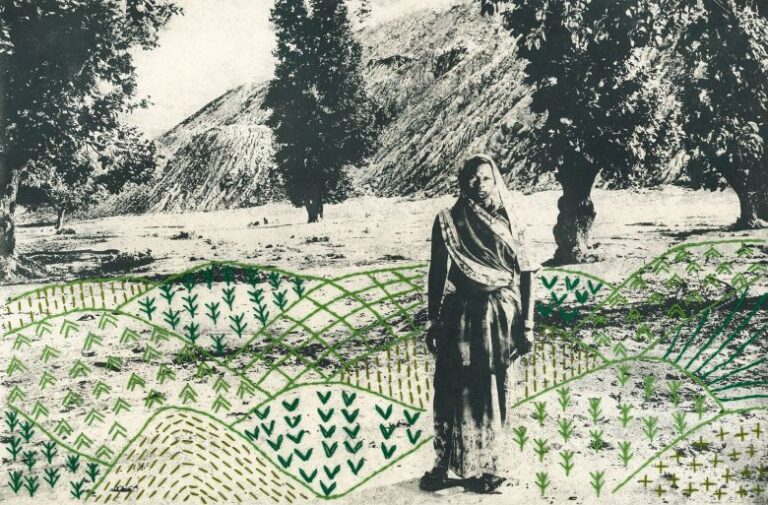
In the Climate of Change category, Delhi-based Payal Kakkar won top prize for “Lives of Extraction,” photographing a resistance movement led by the Khairwar Indigenous community, fighting land dispossession and coal mining in Majhauli Paath, Singrauli, India.
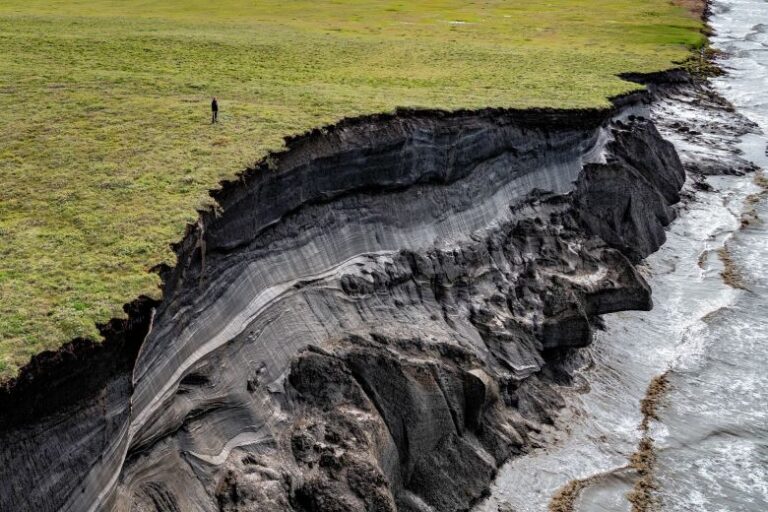
Natalya Saprunova, who is from Russia and living in Paris, won the New Scientist Editors Award for her documentation of permafrost thawing and coastal erosion in Canada’s Northwest Territories and its impact on the Inuvialuit people.
The Royal Geographical Society in London is hosting an exhibition of the prize winners until July 24, before taking their works on a tour of the UK through November.
Read more Sen. Mitch McConnell remains hospitalized as ‘he continues his recovery,’ spokesperson says