 By admin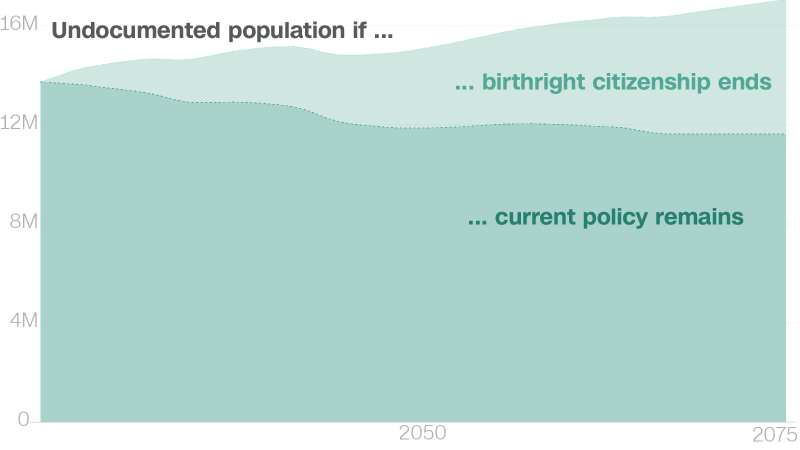
EDITOR’S NOTE: This story was first published on May 15, 2025. It has been updated to reflect the Supreme Court’s ruling in the Trump administration’s birthright citizenship case.
Read more GOP Rep. Tom Kean announces depression diagnosis after mysterious monthslong absence from Congress
Since returning to the White House, President Donald Trump has made numerous moves to crack down on immigration, and one is back in the spotlight as the Supreme Court invalidated the president’s executive order to end birthright citizenship in a 6-3 ruling.
The order had faced several legal challenges as it made its way to the high court, with judges appointed by both Democratic and Republican presidents concluding that it runs afoul of the Constitution and federal law. Birthright citizenship is a 160-year practice granting citizenship to anyone born on American soil, enshrined in the Constitution by the 14th Amendment.

In big loss for Trump, Supreme Court upholds birthright citizenship
With the current policy intact, the undocumented population is expected to decrease over the next few decades. If the Supreme Court had allowed Trump’s order to continue, those born to parents who are undocumented would also have been considered unlawful residents, subsequently increasing the undocumented population.
Several of the Trump administration’s other actions on immigration have faced legal challenges, such as Trump’s use of wartime authority for deportations and a data-sharing agreement between the Department of Homeland Security and the Internal Revenue Service aimed at finding undocumented migrants.
With the court dealing Trump a major blow to his efforts, here’s where immigration stands in the United States more broadly.
The immigrant population in the United States steadily grew between 2010 and 2024.
Given that growth and the country’s large number of immigrants — 50.2 million in 2024, or around 14.8% of the US population — Trump’s immigration agenda could have economic repercussions, CNN has reported. In 2023, immigrants paid about $652 billion in taxes and harnessed a total of $1.7 trillion in spending power, according to the American Immigration Council.
Read more Fossil kept in drawer for decades turns out to be first ever Antarctica dinosaur bone
There are more than 13 million undocumented immigrants living in the United States, according to the latest Migration Policy Institute estimates from 2023.
Trump has zeroed in on undocumented immigration in his second term after promising to do just that throughout the campaign. Since taking office, he launched a costly military mission at the Southern border, deported undocumented migrants with alleged gang ties to a mega prison in El Salvador and has floated sending more people to Libya, Rwanda and Saudi Arabia.
Immigrants make up a larger percentage of the population in states along the East and West coasts and the Southern border.
California, New Jersey and New York — all Democratic-led states where immigrants make up the highest share of the populations — have challenged Trump’s immigration moves, including filing a lawsuit against his birthright citizenship executive order and against the administration’s requirements tying federal grant funding to state participation in ongoing immigration enforcement efforts.
People migrate to the United States from all over the world, but the country of origin for the largest number of immigrants is Mexico — more than double the next two countries, India and China, combined.
Trump has said illegalimmigration to the United States amounts to an “invasion,” using the term in his executive orders and agency memos. The word choice is intentional, legal experts say, because the administration could rely on the invasion rationale to justify possible future actions.
Read more Supreme Court lifts Watergate-era caps on campaign spending
CNN’s Devan Cole contributed to this report.
This story has been updated with additional information.