 By admin
US intelligence agencies have recently assessed that Iran can effectively shut down access to the Strait of Hormuz at will from now on, meaning the country’s regime has acquired a powerful new ability to hurt the global economy as a result of the war, according to three sources familiar with the findings.
Read more Multiple people arrested for discussing plans to attack UFC fight, source says
Regardless of the framework agreement that is due to be formally signed on Friday to open the key waterway as a prelude to nuclear talks, Iran proved it can shut off access to the strait during the current conflict and US intelligence assessments suggest that could happen again.
“We have now handed Iran de facto control over the strait – a weapon more powerful than any nuke,” one of the sources familiar with the US intelligence assessments told CNN, emphasizing how the war has fundamentally altered Tehran’s thinking about leveraging similar tactics in the future.
Iran has similarly learned it can leverage targeted strikes against the energy infrastructure of Gulf countries as an asymmetric capability after doing so to great effect during the war, another tool it can use to its advantage going forward, a second source familiar with the assessments said.
The US has had to negotiate with Iran intensively to fully re-open the strait, underscoring the Iranians’ continued leverage.
CNN approached the White House and the Office of the Director of National Intelligence for comment.
A senior US official told CNN that Iran cannot access “any benefits” of the framework agreement unless the strait remains open and it abides by the other points it agreed to. The senior official did not detail what those benefits are, but explained that the US will wind down its blockade in proportion with Iran restoring traffic in the strait. If Iran “performs, the relief follows and American leverage holds the entire way”, the senior official added.
Another source familiar with the framework agreement also acknowledged to CNN that Iran tried to subvert the free flow of energy in the strait but it upset China and Gulf countries in the process. “Iran pays a price when they do this,” the source added, noting any attempt to effectively close the strait in the future would carry self-inflicted consequences.
Uncertainty over what’s in the agreement and other risks are also likely to keep traffic through the critical chokepoint to a trickle for weeks or months, according to shipping industry officials and experts who track ship movements.
One of the main reasons Iran believes it can continue to weaponize the strait is it still retains a significant portion of its weapons stockpile, including missiles, drones, missile launchers, and hundreds of small fast boats that continue to harass shippers attempting to transit the waterway and can be used to lay mines. Iran has also been rebuilding its military industrial base faster than the US anticipated and has already begun new drone production, CNN has reported.
There have been discussions that allies may police the strait in some way once it is open, but at the moment it is unclear how that would work and the latest intel assessments take that possibility into consideration, the sources said.
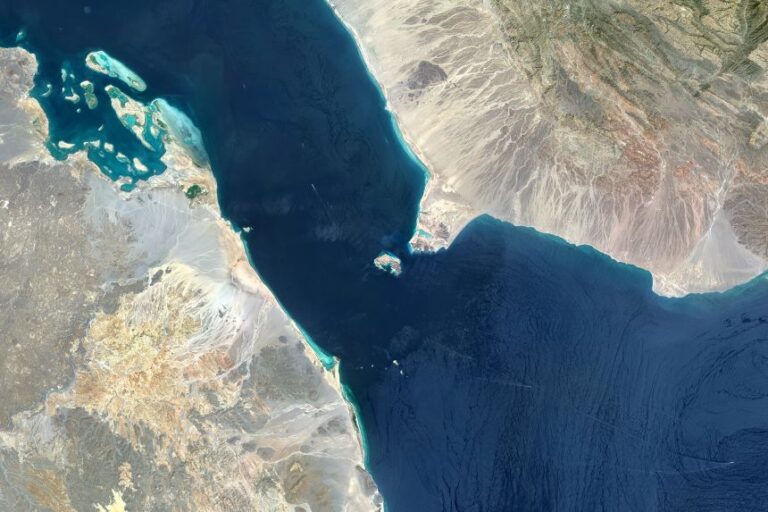
And even as the two sides appear to have signed an agreement that would reopen the strait and end the current conflict, multiple sources said Iran has been plotting an economic “nuclear option” if negotiations with the US fall apart: getting the Houthis, the Iranians’ chief proxy force in Yemen, to close the Bab-el-Mandeb strait, which connects the Red Sea to the Indian Ocean — another global trade chokepoint that has served as a shipping lifeline amid Iran’s months-long closure of the Strait of Hormuz.
Taken together, the recent US intelligence assessments underscore the lasting impact of President Donald Trump’s decision to initiate the conflict without fully accounting for Iran’s willingness to close the Strait of Hormuz and raise fresh questions about Tehran’s ability to weaponize the global economy going forward — a problem that extends beyond the scope of any framework agreement between the two countries that may reopen the key waterway.
In the time since Iran moved to close the strait, US intelligence agencies have been continuously reassessing how and under what circumstances they might try to use that same lever in the future, according to three sources familiar with the assessments.
While there is not currently a consensus within the intelligence community, multiple sources familiar with the US assessments said Iran has been emboldened by the fact it was able to both close the strait and target the energy infrastructure of Gulf countries without expending significant capabilities.
And now that Iran has proven it has credible intent and capability to close the strait — some US officials say they are more likely to take that step in the future, two of the sources familiar with US intelligence said.
On Monday, a senior administration official said that the aim is “to create a mechanism that makes it impossible” for the strait to be closed again.
Vice President JD Vance told CNN’s Jake Tapper on Monday that he believes one of the reasons Iran was willing reach a framework agreement with the US is “they recognize they’re losing that leverage over the Strait of Hormuz.”
Earlier on Monday, Trump said that the strait is “already partially opened” and that it will fully open Friday, when the US and Iran are set to formally sign a memorandum of understanding.
Read more Parents are on devices during meals even more than their kids. Here’s how to rethink family dinner
“They’re doing a little hunting for a couple of mines that they’ve already found, but … ships are starting to go out now,” Trump said during a meeting with French President Emmanuel Macron at the G7 summit. “On Friday, it’ll be completely open.”
“I don’t think we’re going to need much help, because we have an agreement where it’s going to be open, and it’s toll-free. We had a little argument on that; it’s toll-free,” Trump added.
But he has said little about how any deal might prevent Iran from taking similar steps to close the strait in the future, particularly once the US lifts its naval blockade and, eventually, returns to a more normal force posture in the region.
Miscalculation that emboldened Iran
Iran had long threatened to shut down the strait in response to an attack by foreign adversaries, including the US and Israel, but had not demonstrated the ability to successfully do so prior to Trump’s decision to launch combat operations along with Israel earlier this year.
One reason the Trump administration underestimated Iran’s willingness to close the strait earlier this year, multiple sources previously said, was officials believed doing so would hurt Iran more than the US — a view that was bolstered by Iran’s empty threats to act in the strait after US strikes on Iranian nuclear facilities last summer.
Top Trump officials were also confident that China would ultimately use its influence over Iran to prevent it from effectively closing the strait.
As a result, the Trump administration decided to prioritize US strikes against Iranian military targets rather than dedicate assets to deterring Iran from attempting to effectively close the Strait of Hormuz, two of the sources familiar with the planning discussions at the time said.
But days into the conflict, it was clear the Trump administration miscalculated.
“Losing control of the strait will be the biggest blunder of this era because it is a card the US cannot counter without going all in,” a fourth source involved with the military planning for the war said. “Now there is no way to undo the strait without amassing a massive force.”
US officials now believe that Iran ultimately closed the strait in response to Trump’s early statement declaring the goal of the war was to topple the regime — viewing it as an existential threat that warranted escalating in an unprecedented way, the second source said.
The same source noted that Iran did not immediately take that step when bombs were dropped but rather waited a few days until they believed they knew what the true US objective was.
“Iran was deliberate in how they escalated,” the source added.
Significant leverage
At this stage, the Iranians are calibrating their actions, all the sources said and it’s unclear how the framework agreement that is due to be formally signed in Geneva will change the picture.
But it is clear Iran has acquired significant leverage with its proven ability to shut the strait.
Iran also knows it can get the Houthis to shut down Bab-el-Mandeb but they are aware taking such drastic action would derail the diplomatic process with nuclear talks due to begin, one of the sources noted.
Shutting Bab-el-Mandeb down, combined with shutting down the Strait of Hormuz would completely blow up the global economy, the same source said.
The second source familiar with recent US intelligence assessments told CNN it is notable that the Houthis have not resumed large-scale attacks against US or other European vessels but have said that any Israeli-flagged or owned ships are fair game. Expanding the scope of potential targets beyond Israeli vessels would represent a serious escalation, the source noted.
The Iranians have only held back so far from enlisting the Houthis to take that step, the sources said, because they know it could derail ongoing peace talks.
But it remains a card Iran could play if the pursuit of a deal falls apart and the US resumes full combat operations — something Trump has been wary to do.
Read more CNN poll: Political independents hit their highest level in a decade