 By admin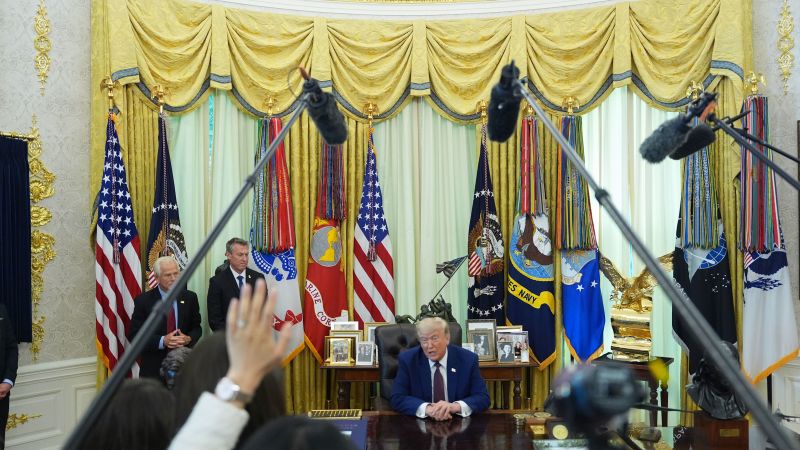
- President Donald Trump says a deal with Iran is close, but behind-the-scenes developments suggest a more complex reality than his optimistic public statements.
- Secretary of State Marco Rubio faced skeptical lawmakers this week asking why a war declared won remains unresolved.
- With midterm elections approaching and gas prices high, the administration faces pressure to deliver results or embrace lengthy negotiations.
President Donald Trump keeps telling Americans that diplomacy with Iran is going well, a deal is close and “it will all work out well in the end.”
Read more When will we know the outcome of the California governor primary?
But then, he’s been saying that for months.
Behind-the-scenes indirect talks do seem have made progress, since both sides are tinkering with wording for a proposed initial memorandum of understanding, according to CNN sources. But the full-scale, genuine agreement that Trump promises will open the Strait of Hormuz and end Iran’s nuclear ambitions forever is so far just another Middle Eastern mirage.

That poses a question: Is the president being straight with the American people about diplomatic progress and achievable goals?
Noises from Tehran are noticeably less bullish and optimistic than remarks from Trump. There are reports its negotiators stopped communicating entirely because of Israeli attacks on Lebanon.
Then there’s the US-Iran ceasefire — if it even deserves the name.
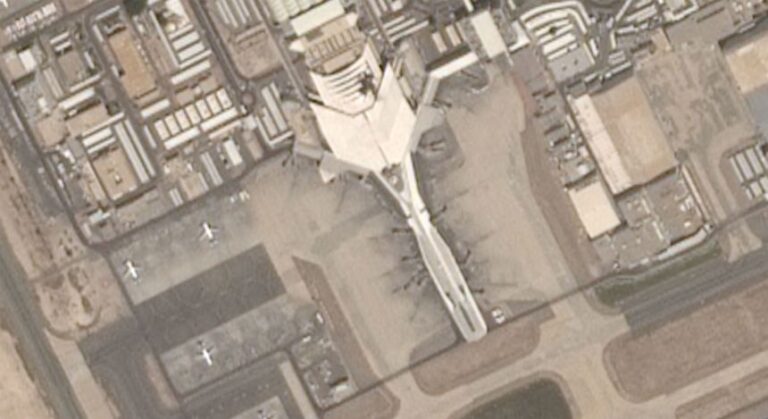
An Indian national was killed Tuesday night in an Iranian attack on Kuwait airport, and Tehran tried to strike US bases in the country and in Bahrain, apparently unsuccessfully. This was purportedly in retaliation for a US missile attack on a Botswana-flagged tanker bound for Iran’s oil exporting hub at Kharg Island.
This tense backdrop made Trump’s latest remarks on the situation seem even more detached from the reality of a war he started in February, declared won in early March but still can’t end. He said in a podcast interview released Wednesday that he and Iran’s Supreme Leader Mojtaba Khamenei “seem to be getting along quite well” and that he’d like to meet.
Ending wars is always hard. Diplomacy is not like a kettle that quickly boils. It’s tedious, intricate stuff. It would be reasonable to expect this would take a while — but for Trump’s constant cheerleading.
Conjuring hope for negotiations and breakthroughs can be a legitimate diplomatic tactic if it creates space for compromise. This may be what Trump was up to on Wednesday. He told reporters in the Oval Office that “the negotiation itself has gone very well — actually, very well — even if it happens, and it might not happen, but if it happens, it could happen like over the weekend.”
How long will it take?
The optics are tough for the administration.
For all its claims of a massive victory that sent Iran’s navy to the bottom of the Persian Gulf, the US superpower seems to be cooling its heels — waiting for a regenerated Iranian regime to cave when it shows no sign of complying.
The longer the stalemate lasts, the clearer it becomes that the sharp, clean win and exit that Trump craves is no longer available. That doesn’t mean full-scale war will erupt again; no one seems to want that. But a satisfactory outcome may require the “boring” long-form negotiations that Trump rejected earlier this week.
The treacherous climate for talks was illuminated by Secretary of State Marco Rubio’s two painful days testifying before House and Senate committees this week.
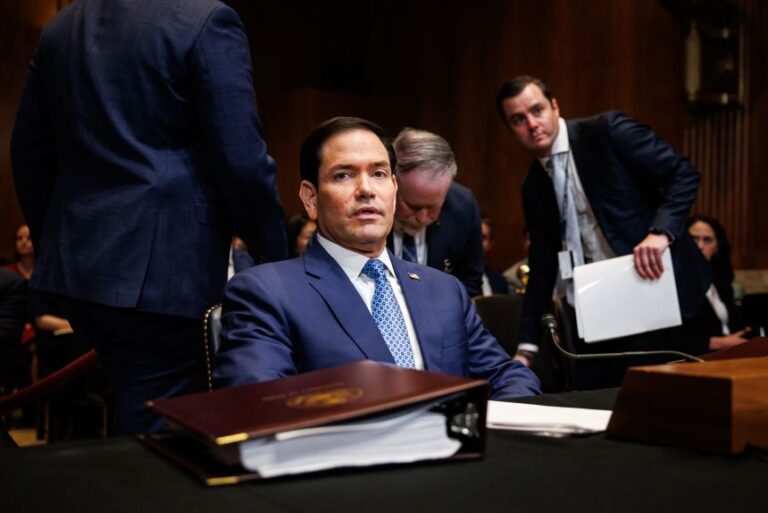
He faced deep skepticism about the administration’s approach — and not just from Democrats. The ex-Florida senator is one of the administration’s most skilled communicators and offers the most coherent explanations on the war, even if they sometimes come across as retrospective polishing.
But the contradictions of the war are often impossible even for him to reconcile: The administration has to explain why it can’t end a war it’s already won and why it is negotiating to end a nuclear program it says it already “obliterated” in air raids last year.
Democratic Rep. Sara Jacobs asked a blunt question on Wednesday. “If the war is over, who won?” she said. Rubio replied that the military was no longer conducting sustained strikes in Iran; had destroyed its industrial base; had reduced its missile launchers and drone stockpiles; and had crushed its Air Force and navy. “I consider that victory.”
Rubio also offered a glimpse into the secret diplomacy.
He said that first Iran must open the strait with no tolls; remove mines; and not fire on ships in order to secure a lifting of the US blockade on its ships and ports, underscoring that the US had offered no sanctions relief for such steps.
Read more Trump makes it easier to fire 8,000 federal workers
Iran would then have to agree to enter specific negotiations on ending uranium enrichment and disposing of its current stockpile. Only then could Tehran expect some unfreezing of its assets, Rubio said. “There’s not going to be some sort of advanced signing bonus or good-faith front,” he added.
But Iran gets a say too. The semi-official Iranian media outlet Mehr said Wednesday that the text of the memorandum “is still under discussion” and that no response had been sent by Tehran.
Much high-level diplomacy sooner or later gets to the issue of sequencing, meaning the order of steps each side will take to inch toward a deal. But the current impasse underscores the leverage Iran seized by shutting down oil traffic through the Strait of Hormuz. This may force the US to give up some of its traditional leverage in nuclear talks — US sanctions and asset freezes — even before they start.
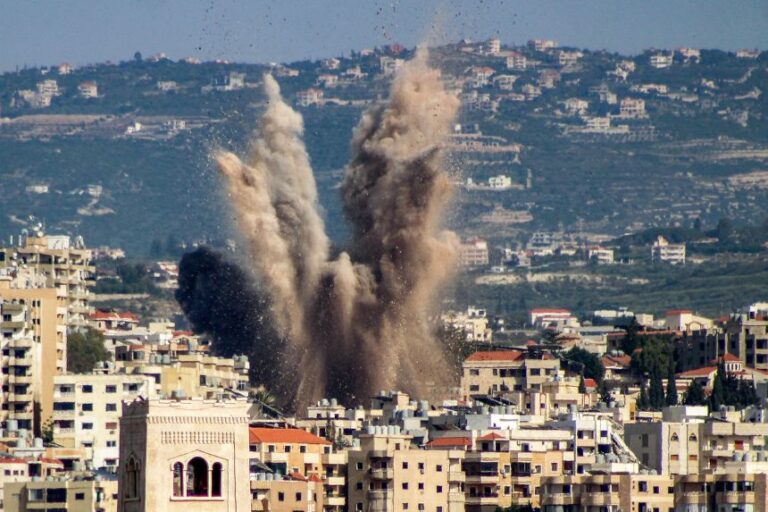
Tehran already appears to have forced the president to rein in Israeli Prime Minister Benjamin Netanyahu over his attacks on Hezbollah in Lebanon. Iran’s Islamic Revolutionary Guard Corps hopes to keep this proxy in its regional arsenal.
Democratic Sen. Jeff Merkley told CNN’s John Berman on Wednesday that Trump was getting outplayed. “I think the negotiations are paralyzed. It’s become clear that Iran is saying, ‘Look, you want us to open up the strait. You need to unfreeze our assets. You need to get rid of the sanctions. And by the way, Israel has to stop bombing Lebanon.’”
How long will it take?
This leaves the administration facing another difficult question.
If it is taking this long to forge a memorandum on officially halting hostilities, why does Trump expect a comprehensive nuclear deal to follow quickly behind? The 2015 Obama administration deal that froze Iran’s nuclear program took nearly two years of hard talking and years of preparatory work. And Rubio insisted Wednesday that any Trump deal would be far more comprehensive than the 44th president’s — which his successor, Trump, tore up.
The secretary of state implicitly admitted that a real Iran deal with “severe” constraints on Iran’s nuclear ambitions will be a long and grueling undertaking.
“Obviously, these are highly technical matters, so I don’t think you could work those out in five days,” he told the Senate Foreign Relations Committee. “That would require a team of experts to meet over a 30-, 60-, 90-day period and work out the details, but they (Iran) have to commit to their willingness to do that.”
Extended, proper diplomacy is no bad thing. Hideously divisive issues sometimes cannot be solved, but punting them through drawn-out talks can at least stop them sparking direct conflict. When enemies are talking, they are usually not fighting, and innocent civilians and military members are not being killed.
But the specific conditions of the US-Iran war mean that there are particular time pressures here — even though Trump insists the conflict is already won.
The war is not over for Gulf states caught in the crossfire whose economies, tourism industries and societies are being held hostage.
It’s not over for the global economy, with graver-than-ever repercussions from the closure of the strait looming. Oil executives and analysts are, for example, warning that crude oil stockpiles that have cushioned the impact of the war are falling at an alarming pace.
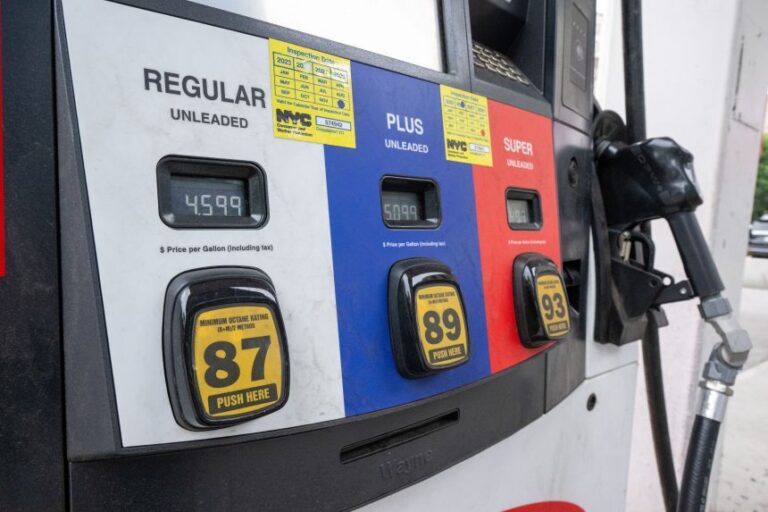
And it’s not over for US consumers frustrated with high gas prices as Republicans worry about blowback in November’s midterms.
Trump’s sense of urgency is justified. But wish-casting about an imminent deal when a true resolution may take many weeks to emerge serves to raise doubts about his rosy expectations.
Read more Trump says he will nominate Todd Blanche to be attorney general
The president may have to learn to love the “boring” diplomacy he disdains.