 By admin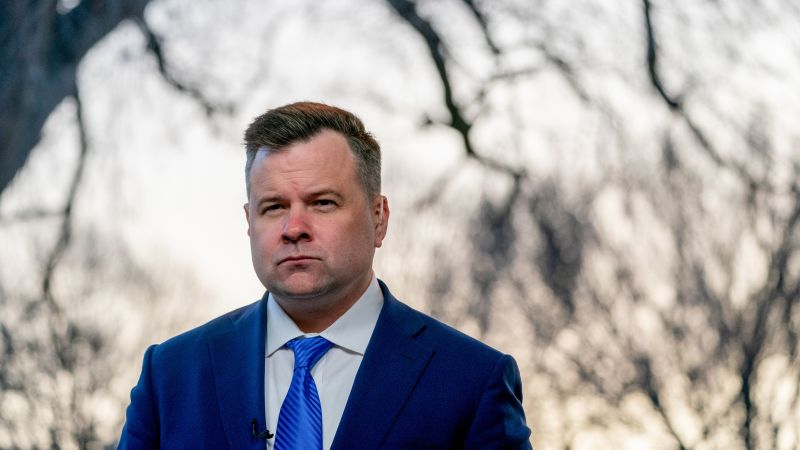
- Bill Pulte’s selection as acting director of national intelligence has drawn criticism from even Republicans over his lack of relevant experience.
- But it’s not necessarily an unusual choice for Trump, who values loyalty over expertise.
- See how Pulte stacks up against some of Trump’s other picks with questionable qualifications.
President Donald Trump appears to have chosen one of his diciest Cabinet picks yet, with the elevation of 38-year-old Federal Housing Finance Agency director Bill Pulte to the job of acting director of national intelligence.
Read more Rubio says Americans who test positive for Ebola at Kenya facility could end up being treated in US
Even many Republicans have questioned or criticized the selection, often pointing to his lack of any discernible intelligence experience.
Sen. John Cornyn of Texas said he had “no evidence” that Pulte was qualified. Sen. Lisa Murkowski of Alaska said she was perplexed by Pulte’s selection. Sen. Bill Cassidy of Louisiana cited Pulte’s “absence of apparent qualifications.” Senate Majority Leader John Thune more subtly cited how, in the role of DNI, “we need professionals there.” And both Thune and Senate Intelligence Committee Chair Tom Cotton on Tuesday declined to vouch for Pulte’s level of experience.
This is somewhat par for the course for Trump, who emphasizes loyalty over expertise and often seems to have little regard for experts. He’s regularly picked people without the traditional types of experience expected in a Cabinet position or other high-profile job.
Still, Pulte’s striking lack of experience stands out, even among Trump picks.
So how does he compare? Here’s a ranking of some of the competition, factoring in both the officials’ level of experience and the level of experience someone in the job has typically had — in descending order.
7. Transportation Secretary Sean Duffy

When Duffy, a former Wisconsin congressman, was tapped for the position in late 2024, Roll Call reported that his “experience does not include much in the way of transportation.”
His legislating on the issue was generally limited to projects that were specific to his home state. After leaving Congress in 2019, he became a host on Fox Business Network.
It’s not unheard of for transportation secretaries to have limited relevant experience. When Joe Biden tapped Pete Buttigieg for that job in 2020, it was noted that Buttigieg’s transportation experience mostly involved overseeing local travel issues as mayor of mid-sized South Bend, Indiana.
(Despite that low profile, Buttigieg had recently won the 2020 Iowa Democratic presidential caucuses and finished second in the New Hampshire primary.)
6. Former Labor Secretary Lori Chavez-DeRemer
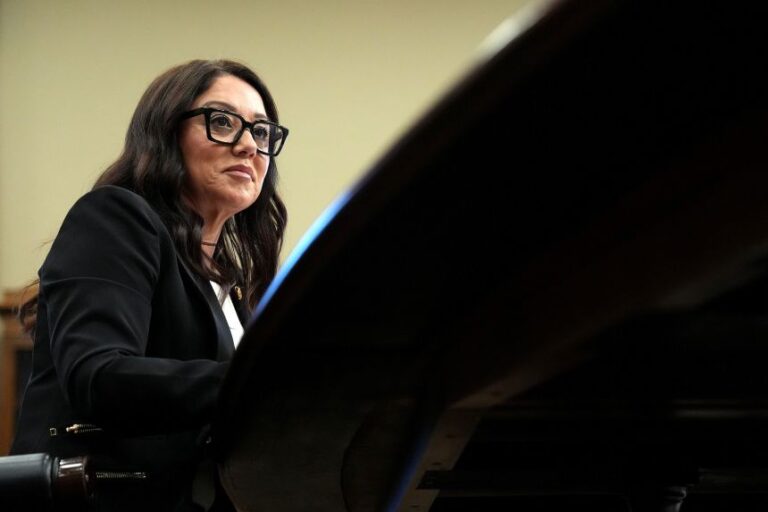
When Chavez-DeRemer was selected in late 2024, her chief asset for the job seemed to be that she was one of few Republicans in Congress who had supported legislation that certain influential unions liked.
She did deal somewhat with labor policy as a member of the House Education and Workforce Committee. But she lost reelection after serving only one term, and before that she was mayor of an Oregon town of about 25,000 people.
5. Education Secretary Linda McMahon
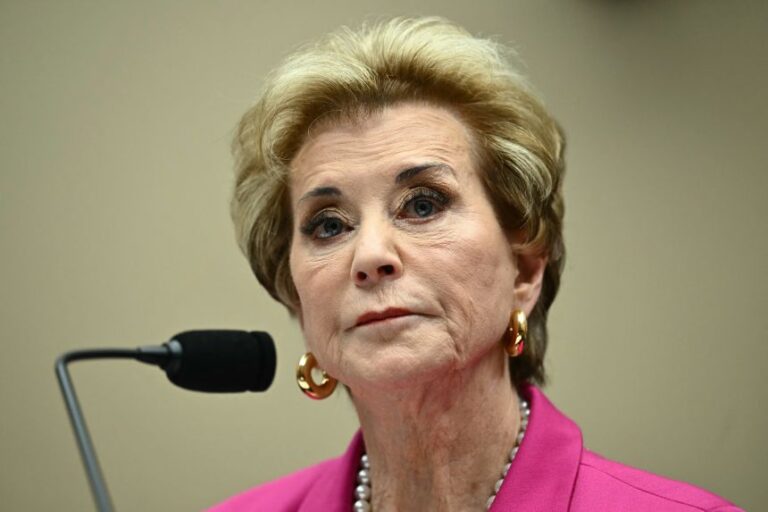
McMahon had government experience from the first Trump administration as head of the Small Business Administration.
But she’s otherwise mostly known as a professional wrestling executive. And she had limited education experience, compared to virtually every other recent education secretary – who often worked as teachers, school administrators or otherwise in the education field.
McMahon served on the board of trustees at Sacred Heart University, and she served a year as an appointee on the Connecticut Board of Education before launching her political career with a 2010 run for US Senate.
While undergoing vetting for the education board position, McMahon falsely claimed she had earned a bachelor’s degree in education, when in fact it was in French, according to a 2010 Hartford Courant report. While the program was designed to prepare teachers, it wasn’t a degree in education. (McMahon has said she wrote to the Connecticut governor at the time to correct the record.)
McMahon’s bio on the Education Department’s website today cites how her “college aspirations to become a schoolteacher reflect her lifelong interest in education.”
Of course, Trump has shown little interest in the business of the Education Department; in fact, he’s aimed to dismantle it.
Read more House passes Iran war powers resolution in rebuke to Trump
4. Health and Human Services Secretary Robert F. Kennedy Jr.
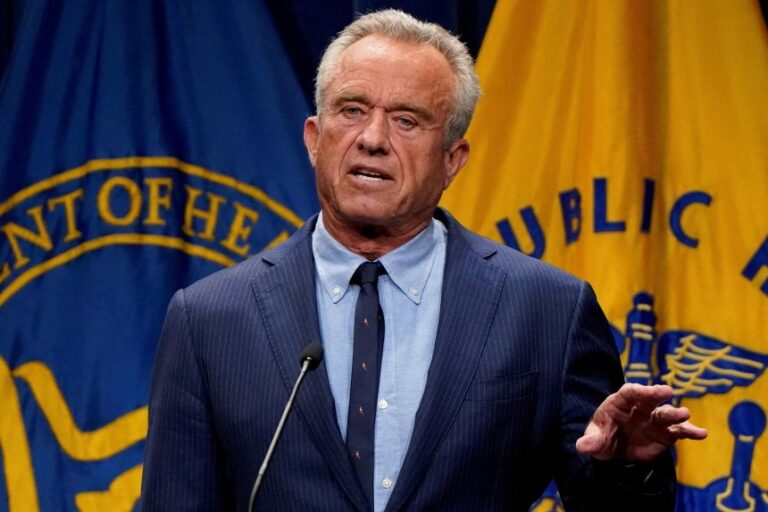
When Kennedy was chosen, plenty noted that he wasn’t a doctor or a scientist. But that’s actually pretty normal for the HHS secretary.
Still, the job usually goes to someone with experience in government or running a large organization.
And Kennedy’s involvement in health and medical issues largely involved heterodox views on nutrition and healthy living — views that have significant appeal with many Americans — and, most notably, many years of debunked claims questioning the safety of vaccines.
3. Matt Gaetz as attorney general (withdrawn)

The former Florida congressman had many problems when Trump shocked Washington by briefly nominating him for attorney general in late 2024. But one of the big ones was his lack of experience actually practicing law.
Gaetz had never served as a prosecutor, and he spent only a few years in a low-profile job at a small law firm before entering politics three years after passing the bar exam.
When asked if Gaetz had the necessary experience and character, Republican Rep. Mike Simpson of Idaho reportedly responded: “Are you sh***in’ me, that you just asked that question? No! But hell, you’ll print that and now I’m going to be investigated.”
2. Defense Secretary Pete Hegseth
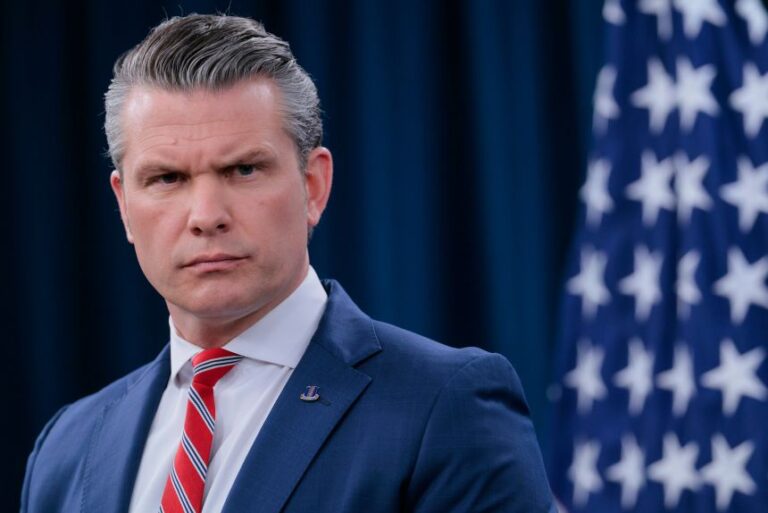
Hegseth is a military veteran who ran a pair of conservative veterans’ groups before becoming a Fox weekend host.
But he had never served in a senior military role, never served in government and never ran anything larger than a small nonprofit.
It was a remarkably thin resume for someone taking on perhaps the second-biggest job in the federal government, overseeing 1.3 million active-duty troops and about 750,000 civilians.
The size of the job became even clearer when Trump launched a war against Iran, which Hegseth now oversees.
1. Acting Director of National Intelligence Bill Pulte
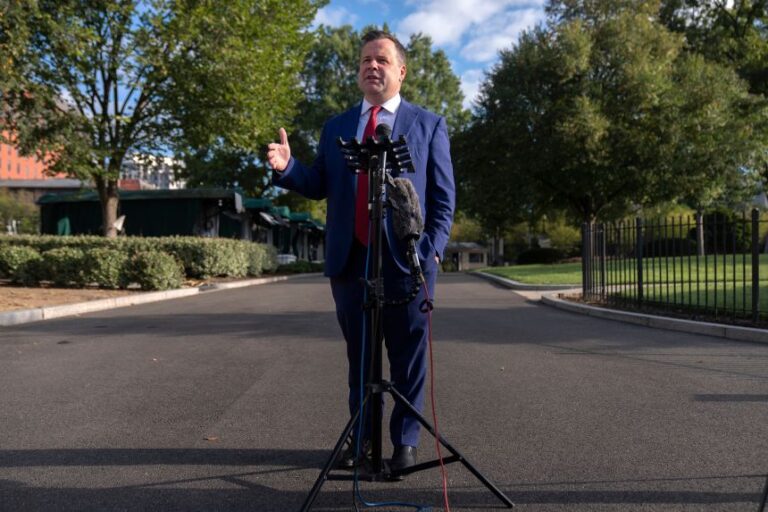
Before joining the Trump administration last year, Pulte spent a career in the finance sector and various other pursuits, including an air conditioning company and a nonprofit that cleared abandoned homes.
Some of that experience makes sense for his job at the FHFA, which regulates housing-related government entities like Fannie Mae and Freddie Mac.
But he has basically none of the experience of past DNIs, who, even if they didn’t serve in the intelligence community, at least served in the military or worked on intelligence issues as a member of Congress.
Pulte’s predecessor, the soon-to-depart Tulsi Gabbard, was a somewhat unorthodox pick for the post. But the former Democratic congresswoman at least had military experience and served on House committees focused on the military and military intelligence.
Pulte’s lack of relevant experience is especially remarkable given the 2004 law establishing the Office of the Director of National Intelligence says that anyone “nominated for appointment as Director of National Intelligence shall have extensive national security expertise.”
He clearly does not have that. But as CNN reported Tuesday, that’s apparently not what Trump is looking for.
Read more GOP lawmakers call homophobic X post from colleague’s account ‘disgusting’