 By admin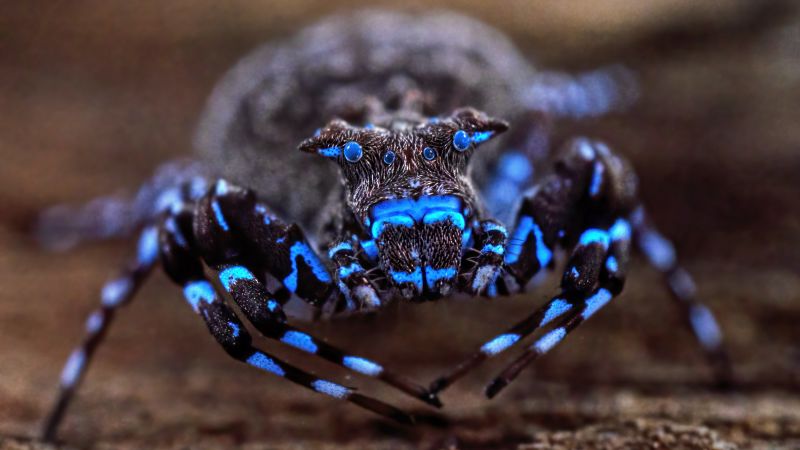
- An expedition to a remote plateau in Angola has discovered dozens of species potentially new to science.
- The finds include a spider that glows blue under ultraviolet light and species that mimic toxic insects.
- Scientists say protecting the area is crucial for preserving these newly documented species.
EDITOR’S NOTE: Call to Earth is a CNN editorial series committed to reporting on the environmental challenges facing our planet, together with the solutions. Rolex’s Perpetual Planet Initiative has partnered with CNN to drive awareness and education around key sustainability issues and to inspire positive action.
Read more Former NY Rep. George Santos under investigation for alleged insider trading on Kalshi
Amid collapsing global biodiversity, there’s a great irony: We’re discovering new species faster than ever before.
An expedition to eastern Angola announced Wednesday it had found dozens of species potentially unknown to science in a location described by organizers as “one of Africa’s last great biodiversity blank spots.”
The remote Lisima plateau in Angola’s highlands is a vast and vital landscape feeding the headwaters of the Congo, Okavango, Zambezi and Cuanza river systems. But its swamps and wetlands, grasslands and woodlands have been largely under-documented by science. Near-impenetrable geography and a ruinous 27-year civil war that ended in 2002 have stymied access. However, the area has begun yielding its secrets.
In 2024, an expedition led by South African explorer Steve Boyes successfully caught on camera a fabled “ghost elephant,” a genetically and physiologically distinct strand of giant elephant, cut off from other populations and adapted to the environment.
The newest survey, called the Cassai Life Atlas, was conducted in February by The Wilderness Project (founded by Boyes). It supports previous surveys conducted by the National Geographic Okavango Wilderness Project.
A team of 16 African and international specialists captured what The Wilderness Project describes as the most detailed picture yet of the plateau. More new species are likely to be identified as taxonomists begin the process of formally describing them.
Among the most alluring potentially new species is a crowned crab spider that glows blue under ultraviolet light — for reasons still unclear to scientists.
Another is a ladybird orb-web spider, which mimics the appearance of the toxic ladybird beetle, protecting it from predators.
Pit viper, flying snake and geckos among new species uncovered in Cambodian caves
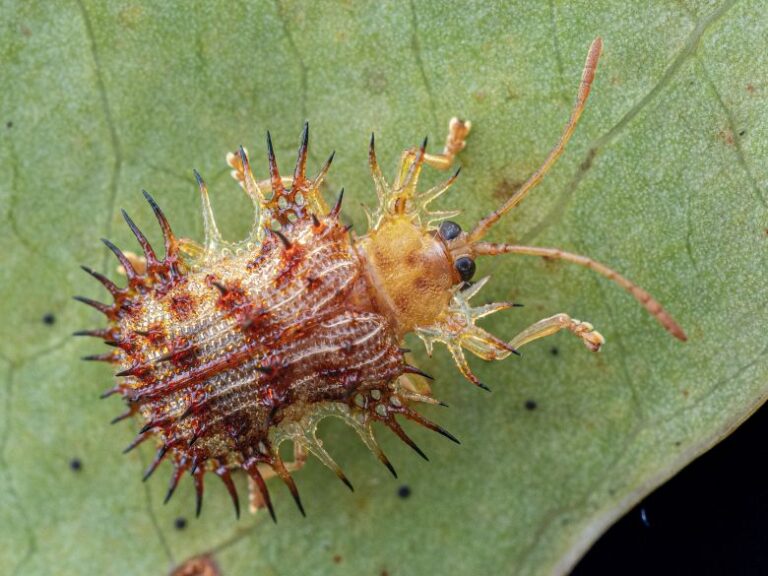
Among the 103 dragonfly and damselfly species recorded by the expedition, eight are undescribed by science, along with eight new moths.
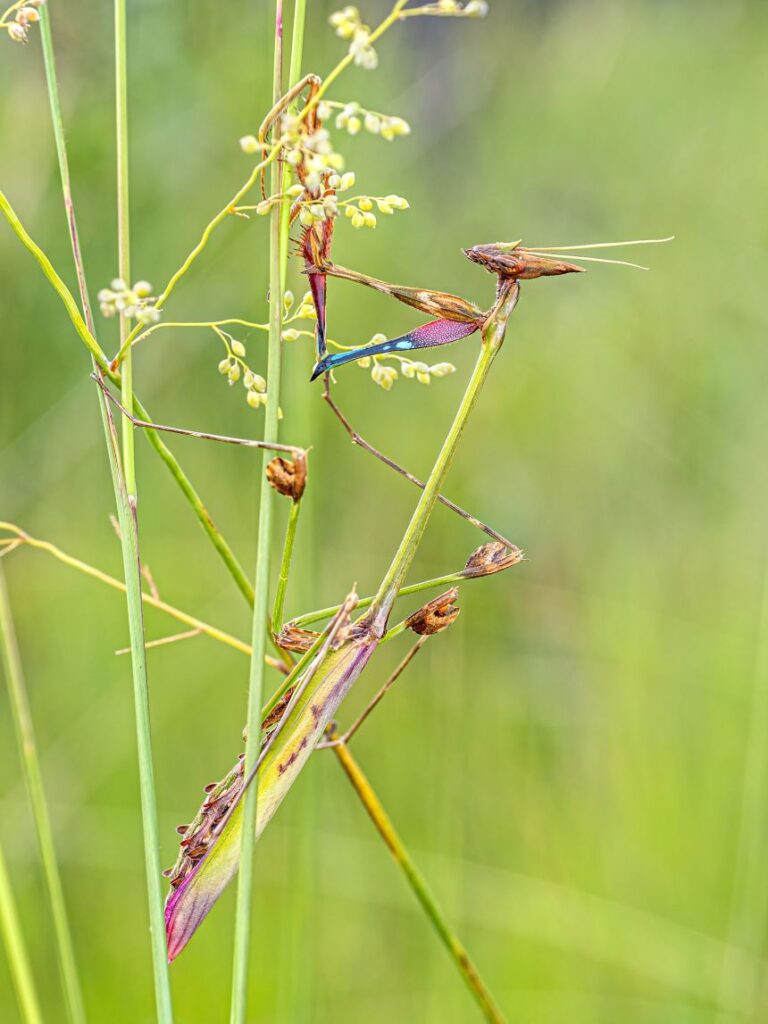
Three previously undescribed grasshopper, katydid and cricket species were recorded, and The Wilderness Project says more could follow once specialists can assess the specimens.
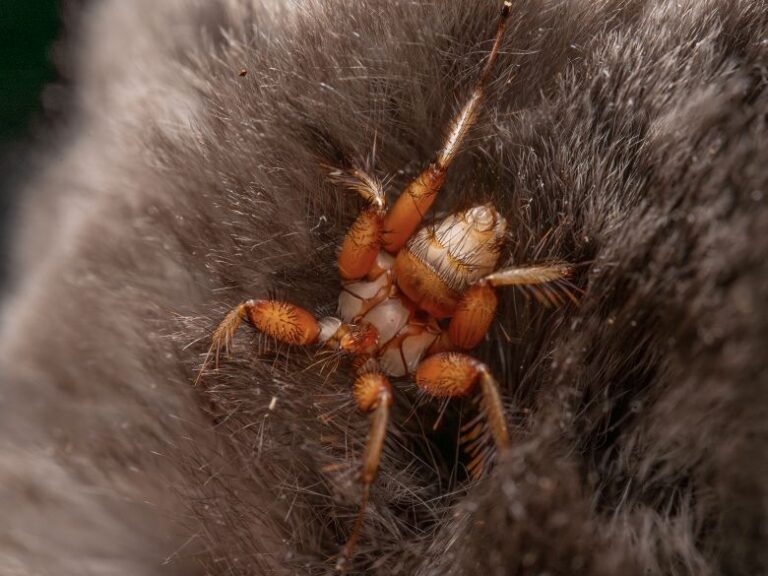
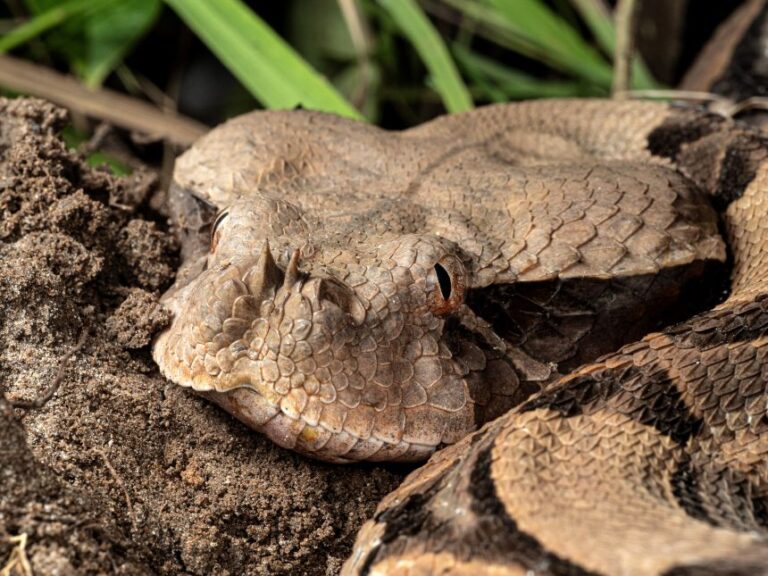
It wasn’t just the new that was notable. Extraordinary species already known to science found at Lisima included: the camouflaged gaboon adder, owner of the longest fangs of any venomous snake at up to 5cm (2 inches); the flightless bat fly, a parasite that lives on bats, “swimming” through their fur and drinking their blood; and the many-plumed moth, which instead of having a solid membrane for wings, has wings comprising feather-like plumes.
Expedition leader Rob Taylor described the fieldwork as a “privilege and a thrill” in a statement accompanying the news.
Read more 2 scientists charged with bringing deactivated mpox virus into the US and lying to authorities
In an email to CNN, Taylor said the biggest challenge was working at the peak of the rainy season — a change from previous surveys.
“Logistically, it was extremely difficult,” he said. “More than once our convoy was stuck in mud for an entire day. We also dealt with starter-motor problems, alternator failures, worn brake pads and several cases of malaria in the team.
“The scientists were not too fazed by the delays — whenever we were stuck, they used the opportunity to survey nearby dambos (seasonally waterlogged grassland), swamp forests and wetlands.”
It could take months, if not years, to publish all the findings from the survey, he said.
The immediate question is how best to protect species — new and old — on the plateau.
The expedition leader said the most vulnerable species are likely those with “very restricted ranges or very specific habitat requirements.” He explained that dragonflies, for example, are vulnerable to changes in freshwater quality, which can be affected by mining, and certain butterflies require specific host plants that could be lost to fire, clearing or slash-and-burn agriculture.
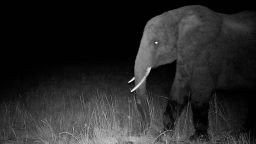
For decades there were rumors of ghost elephants in Angola. This explorer found them
The remoteness of the plateau and factors deterring visitors — including leftover mines from the civil war — have helped protect Lisima’s natural resources from exploitation in recent decades.
Formalizing protection for the plateau in the decades ahead is a priority for The Wilderness Project, which alongside collaborators successfully pushed for 5.4 million hectares (13.3 million acres) of the plateau to be recognized in 2025.
Last October, wetland conservation organization Ramsar named the area, called Lisima Lya Mwono (“the Source of Life”), a wetland of international importance, and cited its groundwater’s role in supporting 110,000 square kilometers (42,500 square miles) of surrounding ecosystem.
“Longer term, we hope the findings (of the survey) support stronger protection for the plateau — not only in terms of formal conservation status, but also in practical land-use decisions on the ground,” said Taylor.
“The goal is not simply to document new species, but to ensure the habitats they depend on remain intact.”