 By admin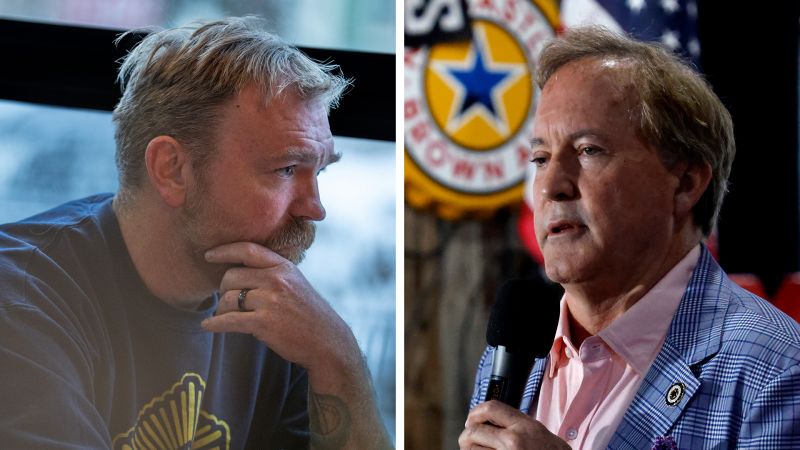
- Republicans have previously lost otherwise winnable Senate seats because of nominees with personal scandals or controversial statements, but Democrats could be confronting this possibility in 2026 too.
- A handful of the most competitive Senate races involve candidates with various kinds of baggage, the most recent being Graham Platner in Maine and Ken Paxton in Texas.
- But there is increasing evidence that personal baggage and politically controversial statements aren’t the deal-breakers they once were in American politics.
Problematic candidates have mostly been a hurdle for Senate Republicans in recent years. But in 2026, they could be a real problem for both parties — and could potentially decide Senate control.
Read more Sleep has many benefits. Why do humans as a species get so little?
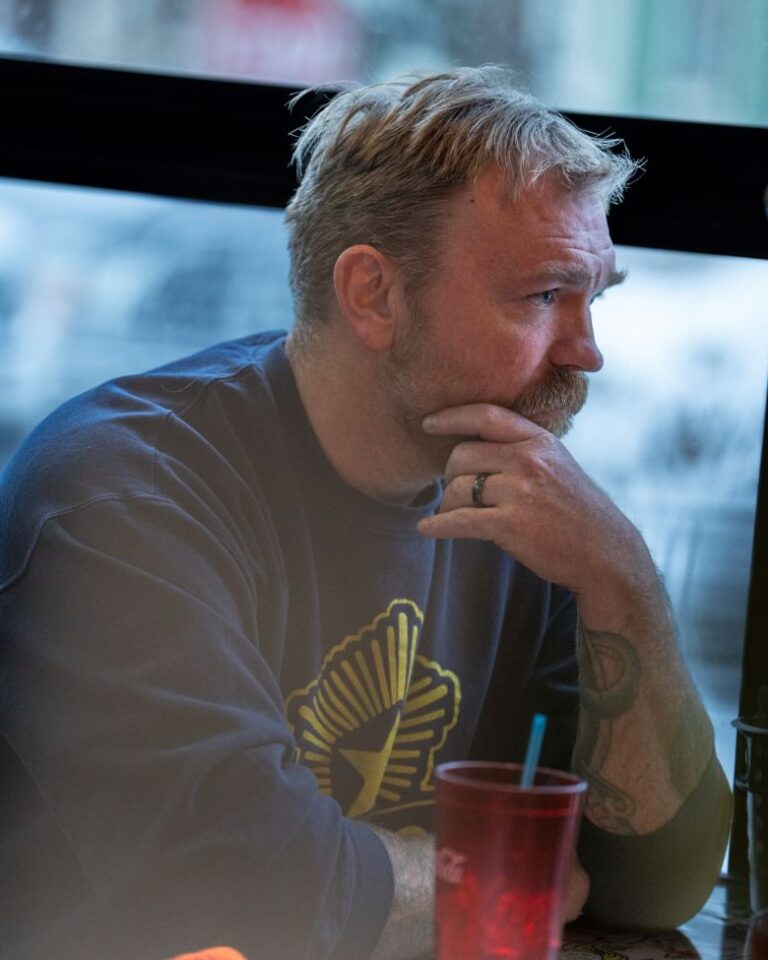
The two most significant developments on this front came in recent days. More revelations about Maine Democratic Senate candidate Graham Platner’s messy past emerged this weekend — specifically, that his wife had flagged to his campaign last year that her husband had sent sexual text messages to other women.
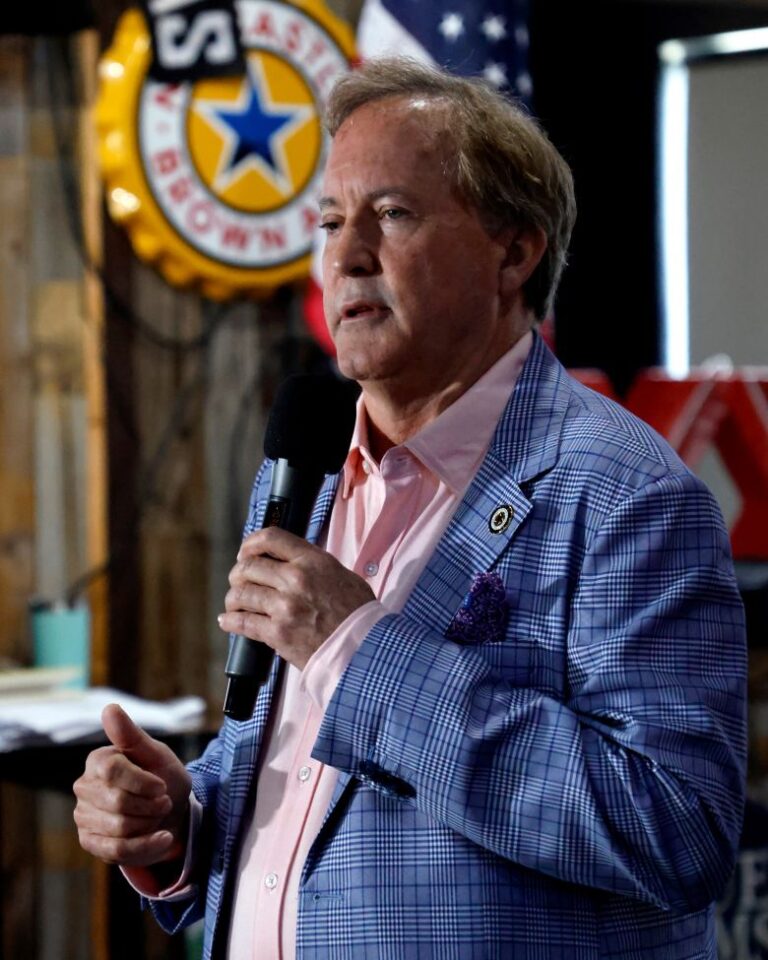
On the other side of the aisle, baggage-laden Texas Attorney General Ken Paxton won his state’s GOP primary runoff over Sen. John Cornyn last week.
But these aren’t the only races where a nominee (or potential nominee) risks underperforming for his party in an important race, although the nature and extent of the controversy each is facing — and how it’s resonating — differs across campaigns.
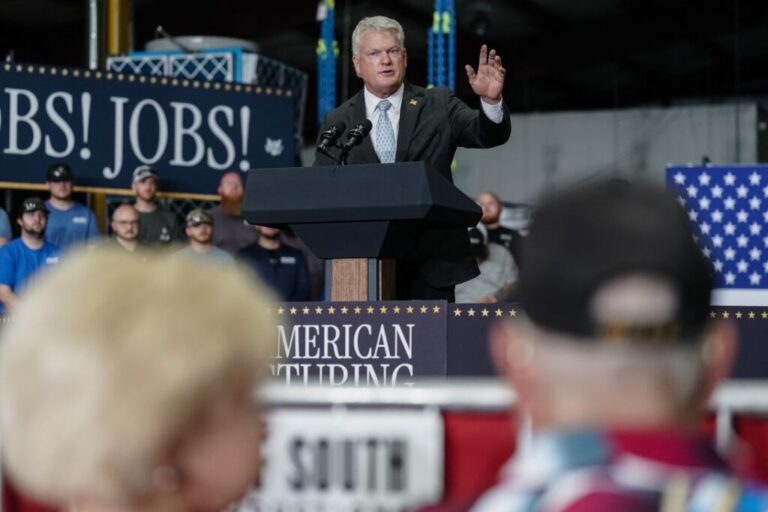
In Georgia, Republicans face some potential liability with Rep. Mike Collins, who’s the favorite to win a primary runoff later this month. He would bring some potentially harmful past statements and recent campaign missteps into a general election matchup against Democratic Sen. Jon Ossoff.
And in Michigan, it appears increasingly possible Democrats could nominate Abdul El-Sayed, a Bernie Sanders-type candidate who some in the party establishment fear is unelectable because of his policy views and associations. He’s said Israel is as evil as Hamas and recently campaigned with left-wing streamer Hasan Piker, who has a history of inflammatory comments.
These four races account for half of the eight Senate races that the Cook Political Report rates as the most competitive.
Whether any of these candidates ultimately underperforms how another candidate from their party would do is to be determined. There is increasing evidence that personal baggage and politically controversial statements aren’t the deal-breakers they once were in American politics.
But some candidates — especially Trump-aligned Republicans — have potentially cost their party winnable races in recent years, thanks to either personal scandal or extreme comments.
And right now, it’s an increasingly significant variable in the battle for the Senate.
Maine and Texas
Perhaps nowhere do these potential issues matter like they do in Maine and Texas.
Democrats likely need Platner to defeat Maine Republican Sen. Susan Collins to have any shot at the Senate majority. The five-term senator is the only Republican facing reelection in a state that Kamala Harris carried in 2024. (Democrats need a net gain of four seats to flip the chamber, and after Maine, their targets are in redder territory.)
Platner seemed to have moved past controversies about a tattoo recognized as a Nazi symbol, which he has now covered up, as well as online comments denigrating police and White people, among others. He recently nudged Gov. Janet Mills out of the Democratic primary and has maintained a lead over Collins in the limited general election polling.
But then came reporting from The Wall Street Journal and The New York Times that Platner’s wife, whom he married in 2023, flagged to the campaign the explicit text messages sent to other women.
Congressional Democrats’ vouching for Platner appears increasingly tepid, despite his importance to their majority math.
The situation is somewhat different in Texas — but could be nearly as important. Democrats likely need to flip Senate seats in at least two states that President Donald Trump carried by double digits in 2024 to win a majority. And Paxton’s runoff victory over Cornyn would seem to put Texas in play to be one of those two, alongside states like Alaska, Iowa and Ohio.
Paxton’s baggage — which includes a series of criminal and civil legal problems, a 2023 impeachment led by his own party, and recent allegations of infidelity from his ex-wife — gave national Republicans such heartburn that they campaigned hard and spent extensively for Cornyn in the name of keeping the set red.
Now, Democrats hope state Rep. James Talarico can take advantage and turn the state blue for the first time in three decades, and there’s some reason to believe he could.
Georgia and Michigan
The Georgia Senate race likely isn’t as instrumental for the majority math, given Ossoff has looked like a favorite for a while. But Republicans nominating Collins over former University of Tennessee football coach Derek Dooley in the June 16 runoff could solidify Ossoff’s advantage in a must-hold seat for his party.
Collins’ active and at-times-dicey social media presence in recent years has included responding affirmatively to a racist account suggestively gesturing at how a reporter was Jewish. (Collins argued his meaning was different, but he has left his post up despite the account owner clarifying the original post was about the reporter being Jewish.)
The Collins campaign also recently cut ties with a longtime aide who used a campaign X account to mock the wife of a pro-Dooley strategist for claiming she had been raped by disgraced journalist Matt Lauer. And Slate reported last week about another top Collins aide being on a group chat with prominent White nationalists.
(The aide told Slate that he was acting “solely in my personal capacity” to help an acquaintance who “was being mistreated in custody and denied basic medical care.” He added that he did not “use official resources or coordinate with anyone else in the group chat.”)
Collins led Dooley by 10 points in the primary last month and has hired some key Trump advisers of late, while Dooley has the backing of Georgia Gov. Brian Kemp.
In Michigan, the situation is more up in the air, with El-Sayed still locked in a competitive August 4 Democratic primary with Rep. Haley Stevens and state Sen. Mallory McMorrow. But there is some concern in Democratic circles that an El-Sayed nomination could jeopardize another must-hold state for Democrats.
El-Sayed has advocated for the abolition of Immigration and Customs Enforcement, called Israeli Prime Minister Benjamin Netanyahu a “war criminal” and accused Israel of a “genocide” against Palestinians. Stevens has criticized him for campaigning with Piker, who once said inflammatory things like Hamas is “a thousand times better” than Israel and that “America deserved 9/11.” Piker walked back the latter statement.
“I think there is this notion that electability is about being the least offensive,” El-Sayed told CNN in April. “If that were true, why would Donald Trump have won the presidency twice?”
But how much will it even matter?
Each of these candidates’ potential issues are different, but Michigan’s Democratic primary is a great example of how their impact in November is unknown.
The limited general-election polling there doesn’t necessarily indicate that El-Sayed would be a significant liability for his party — at least at this early juncture. And Sanders, the Vermont independent senator who’s backed him, has proven a pretty popular national figure, even with his democratic socialist views.

Similarly, in Texas, Paxton has polled about as well as the supposedly more-electable Cornyn in matchups with Talarico. And in Maine, there’s still very little evidence that Platner’s personal problems have hurt his campaign — at all, really (though there haven’t been any polls since the most recent revelations).
It’s possible these things simply matter less and less in this political age — and party affiliation matters much more.
But plenty of problematic candidates have underperformed in recent years, especially on the GOP side. Some ugly personal revelations, combined with an unsteady candidacy, contributed to Herschel Walker losing a winnable Georgia Senate race in 2022. Then there was Mark Robinson in the North Carolina governor’s race in 2024.
Indeed, Republicans have on several occasions nominated unorthodox candidates for Senate and governor who didn’t play well with voters, like Blake Masters and Kari Lake in Arizona, Don Bolduc in New Hampshire, Doug Mastriano in Pennsylvania and even Vice President JD Vance in his first Senate campaign in Ohio in 2022. (Vance won despite far underperforming other statewide Ohio Republicans.) Some of their margins underperformed Trump by double digits.
Before them, Nevada’s Sharron Angle, Missouri’s Todd Akin, Indiana’s Richard Mourdock and Delaware’s Christine O’Donnell (think: “I’m not a witch”) lost races for the GOP last decade.
The difference in 2026 is that Democrats — after recruiting relatively well in recent years and avoiding major underperformances — have reason to worry about how some of their candidates might play in important races.
And while that issue also lingers for Republicans this time around, Democrats have less room for mistakes if they want to take the Senate come November.
Read more Is the state of the economy affecting or changing how you’ll vote in November? Share your story