 By admin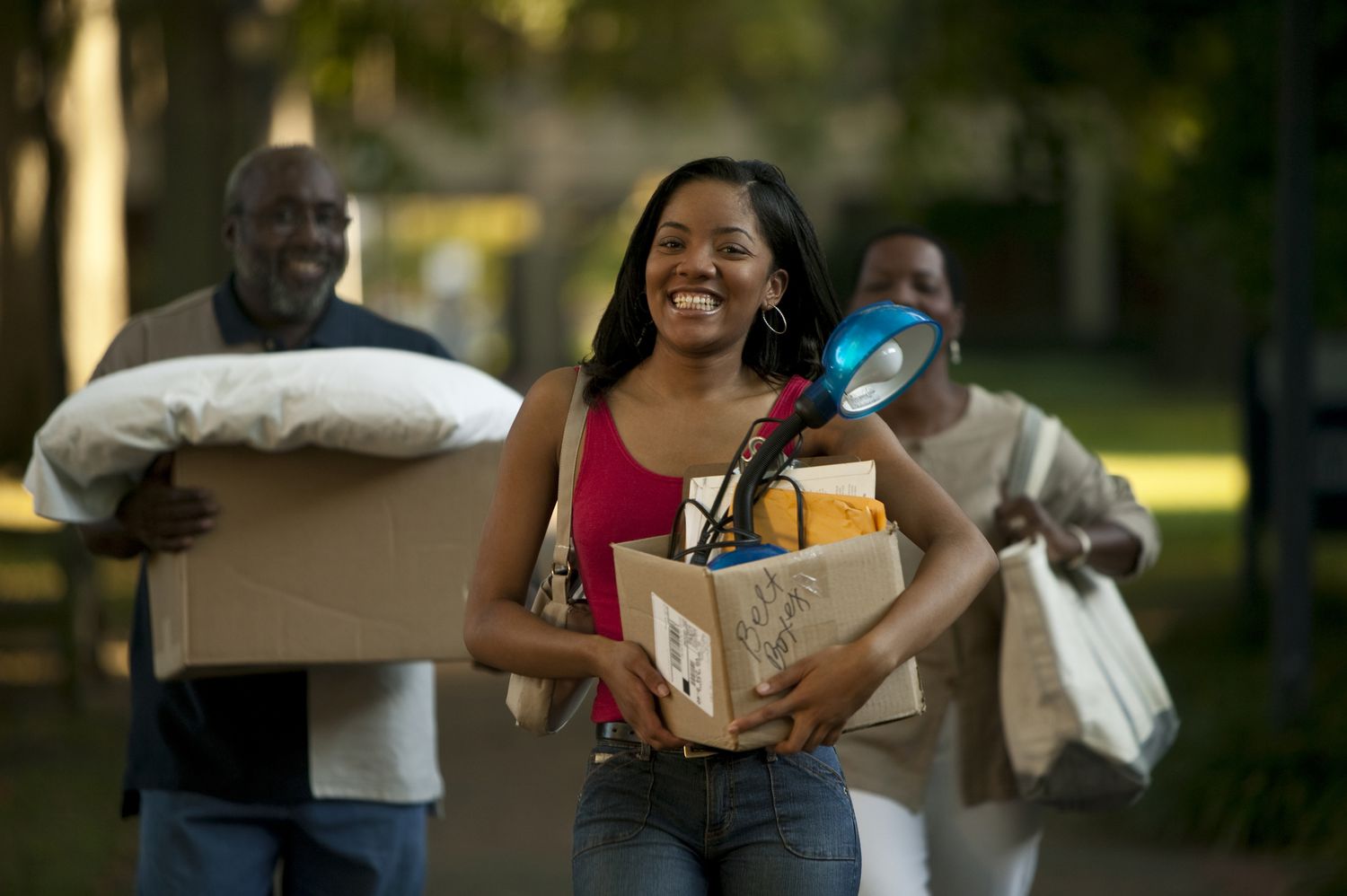
The first morning of college move-in can feel like controlled chaos. Cars arrive at the same time, elevators become crowded, parents are carrying boxes in every direction, and students are trying to remember which bag contains the essentials.
The difference between a stressful arrival and a manageable one usually comes down to preparation. College Movers can help with the physical side of getting belongings to a new student residence, while a clear personal plan makes everything that happens around the move easier to handle. Price Movers is available at https://pricemovers.com/ for students planning their relocation.
Turn the Move-In Instructions Into a Checklist
Campus housing often has its own rules. Before leaving home, read the move-in information carefully and save the details somewhere accessible.
Look for the assigned arrival window, building entrance, parking instructions, check-in location, elevator information, and any restrictions on vehicles or unloading.
Save More Than the Address
Keep the residence hall or apartment name, room number, housing office contact, and check-in instructions on your phone.
A screenshot is useful if cellular service is weak around campus or you need to access information quickly while unloading.
Pack for Your Actual Student Life
College rooms have limited space, so bringing everything you own can create an immediate storage problem.
Walk through your normal routine and decide what you are realistically going to use. Separate clothing, study materials, electronics, toiletries, kitchen items, decorations, sports equipment, and personal belongings.
Ask What the Room Already Has
Check whether the residence provides a bed, desk, chair, dresser, microwave, refrigerator, or other equipment.
If you have roommates, coordinate shared purchases before move-in. One vacuum cleaner is usually enough for one apartment.
Create a First-Day Survival Bag
Your most important belongings should not be hidden inside a moving box.
Pack a separate bag containing a change of clothes, toiletries, chargers, medications, identification, housing paperwork, snacks, and anything else needed during the first night.
Keep it with you throughout the journey.
Give Every Box a Destination
Move-in becomes much faster when nobody has to open six boxes to discover which one contains bathroom supplies.
Label containers with both their contents and destination.
Use Priority Labels
Mark boxes containing bedding, everyday clothes, school supplies, toiletries, and basic kitchen items as high priority.
Decorations, seasonal clothing, and less frequently used possessions can wait until the room is functional.
Protect the Technology You Depend On
For many students, electronics are among the most important possessions they bring to campus.
Protect laptops, monitors, tablets, gaming systems, speakers, printers, and other devices from impacts and pressure. Back up important files before transportation.
College Movers can be especially useful when students are transporting furniture and multiple categories of belongings rather than making the trip with only a few bags.
Keep Accessories Together
Use one clearly marked pouch for chargers, adapters, cables, power strips, and other small electronic accessories.
This prevents the frustrating situation of having the device but not the cable required to use it.
Measure Bulky Furniture Before Departure
A desk or shelving unit may fit perfectly in your current bedroom and still be difficult to maneuver into student housing.
Measure larger pieces before moving day. If the destination includes a narrow hallway, staircase, or elevator, check those dimensions as well.
Decide What Can Be Disassembled
If furniture is designed to come apart safely, determine beforehand which components can be removed.
Place screws and hardware in labeled bags and keep them with the corresponding furniture.
Plan Around Campus Traffic
Move-in days can create unusual congestion.
Follow the assigned arrival window if the school provides one. Keep your vehicle organized so that essential items can be removed quickly rather than searching through a packed trunk.
If professional College Movers are handling transportation, make sure they receive the correct building and access information in advance.
Talk to Your Roommates Before Moving Day
A five-minute conversation can prevent several unnecessary trips.
Discuss who is bringing shared kitchen equipment, cleaning supplies, lamps, rugs, storage furniture, or other communal items.
Decide Where the Shared Items Go
If the apartment has limited common space, agree on basic arrangements before everyone arrives.
This allows unloading to happen with fewer interruptions.
Keep Important Papers in Your Personal Luggage
Do not place housing agreements, identification, financial documents, enrollment records, or other important paperwork inside the main shipment.
You may need these documents during check-in or shortly after arrival.
Digital backups can provide another layer of convenience.
Leave Room for Unexpected Delays
Move-in day rarely follows a perfect schedule.
Parking may take longer than expected, elevators may be busy, or campus staff may have additional instructions when you arrive.
Avoid scheduling an important appointment immediately after unloading.
Make the Bed Before Decorating
Once the essential boxes are inside, prioritize functionality.
Set up the bed, bathroom supplies, basic clothing, chargers, and study equipment first. Posters, decorations, and smaller organizational projects can be handled later.
Make the First Evening Comfortable
A successful move-in does not mean every box has been opened.
What matters most is having the essentials available and knowing where the rest of your belongings are.
College Movers can take care of much of the physical transportation work, leaving students more time to deal with registration, orientation, roommates, and the unfamiliar surroundings of campus life.
A little preparation turns move-in day from a frantic unloading session into the first organized step toward settling into college.