 By admin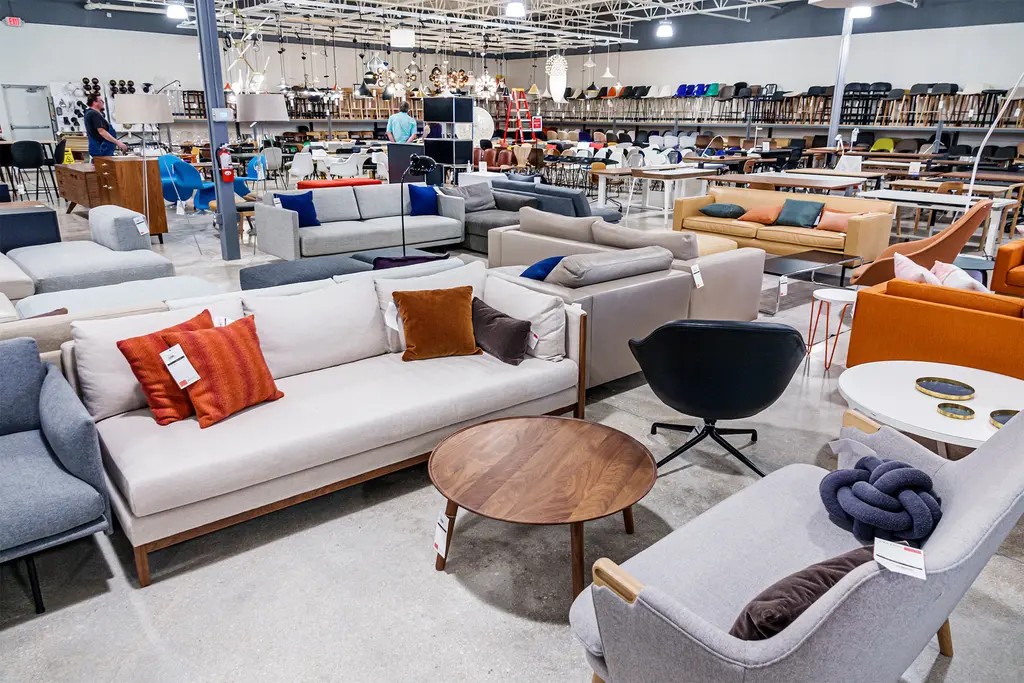
Furniture retailers have a moving challenge that most businesses never encounter: their inventory is also their largest and most difficult asset to transport. Sofas, dining sets, bedroom collections, display cabinets, mattresses, mirrors, lighting, and oversized showroom pieces all have to be relocated without turning the new store into a warehouse of damaged merchandise.
For High Point retailers, commercial moving requires coordination between inventory control, showroom design, loading access, delivery schedules, and staff responsibilities. A carefully planned transition can protect merchandise while helping the business reopen with as little disruption as possible.
Begin With an Inventory Audit
Before anything is packed, determine exactly what is moving.
Furniture retailers should distinguish between showroom inventory, back-stock merchandise, office equipment, customer-owned pieces, displays, and items already scheduled for delivery.
Large quantities of inventory can make a commercial move difficult to estimate unless the contents are clearly documented.
Flag Oversized Merchandise
Create a separate list for especially large or heavy pieces.
Sectional sofas, armoires, large dining tables, display walls, mattresses, and substantial cabinets may require different handling or additional preparation.
Movers in High Point should receive this information before moving day so the crew can plan around the actual inventory rather than a general description of the store.
Map the New Showroom Before Delivery
The destination should be ready before the first piece leaves the truck.
Create a basic showroom floor plan showing where major furniture collections and displays will be positioned.
Mark customer pathways, fitting areas, office spaces, storage zones, and featured displays.
This reduces the need to move heavy merchandise repeatedly after delivery.
Measure the Access Points
A showroom can have a large sales floor and still present difficult access.
Measure entrance doors, loading doors, hallways, elevators, and tight turns. Compare those measurements with the largest pieces in the inventory.
Separate Retail Inventory by Collection
Avoid creating random furniture piles simply because they are easy to load together.
Keep related collections grouped where possible. Bedroom furniture, dining collections, living room pieces, and decorative accessories should have identifiable destinations.
Use inventory tags or internal labels that correspond with the new showroom layout.
This makes unloading more systematic and helps employees locate merchandise quickly.
Protect Finished Furniture Surfaces
Retail furniture is expected to arrive looking presentable. Scratches, dents, stains, and damaged upholstery can affect both inventory value and customer perception.
Use appropriate protective materials for wood, glass, metal, leather, and upholstered pieces.
Pay particular attention to corners, legs, handles, and polished surfaces.
Protect Glass Separately
Mirrors, glass tabletops, display shelving, and decorative glass components deserve additional care.
Whenever possible, separate vulnerable components from larger furniture and protect them individually.
Clearly identifying fragile pieces helps the moving crew recognize which inventory requires additional attention.

Coordinate With Building Management
Commercial properties often have moving requirements that differ from residential buildings.
Confirm loading-dock availability, truck access, elevator reservations, security procedures, moving hours, and parking restrictions at both locations.
Ask whether the building requires advance notification of the moving company.
A missed loading window can delay an entire showroom transition, especially when large furniture must be carried through a controlled access point.
Keep Customer Orders Clearly Identified
Furniture retailers may be moving merchandise that has already been sold.
Separate customer orders from general showroom inventory and ensure that the identifying information remains attached throughout transportation.
Do not allow sold merchandise to become mixed with display pieces simply because both happen to be similar in size.
Create a Priority List
Identify orders with upcoming delivery commitments and merchandise needed for immediate showroom operations.
This lets the team prioritize unloading without having to inspect every item first.
Plan Around Retail Operations
Closing a furniture store for a move can affect revenue, appointments, deliveries, and customer expectations.
Where practical, choose a moving period that creates the least disruption to normal operations.
Update customers and vendors when temporary changes to showroom access or delivery schedules are necessary.
Milestone Relocation can provide commercial moving support, allowing store management to delegate much of the physical transportation while concentrating on maintaining business continuity.
Prepare the Loading Area
Before the moving crew arrives, remove unnecessary obstacles from the loading zone.
Move vehicles, pallets, loose packaging, and unrelated materials away from the area.
Make sure staff understand where inventory should be staged and which areas must remain accessible.
Movers in High Point can work more efficiently when the loading environment is already organized.
Keep Office Equipment Separate
A furniture showroom may also contain computers, point-of-sale equipment, printers, phones, paperwork, and other office belongings.
Back up important business data before disconnecting technology.
Label cables and keep sensitive documents separate from merchandise.
Essential business equipment should be easy to identify during unloading.
Don’t Forget the Back Room
The sales floor usually receives the most attention, but stockrooms can contain a large portion of the store’s inventory.
Review shelves, sample materials, packaging supplies, tools, replacement parts, and miscellaneous merchandise.
Anything being moved should have a clear destination at the new location.
Prepare the New Store for Immediate Use
Before reopening, test essential technology, confirm customer pathways, and check that major furniture collections are positioned correctly.
Keep packaging materials and moving debris away from customer-facing areas.
A clean, organized showroom creates a much better first impression than a store that still looks like a moving site.
Build a Regional Contingency Plan
Some High Point retailers operate across multiple markets or coordinate inventory with other locations.
If the relocation forms part of a broader Greensboro relocation, account for additional transportation time and coordination between facilities.
For regional moving information, the company website at https://milestonerelocation.com/ can be reviewed when planning professional assistance.
Photograph Inventory Before Departure
Photographs provide a useful visual record of valuable merchandise before transportation.
Document high-value pieces, showroom displays, and furniture with existing imperfections.
This can also help staff remember how specific collections were arranged before the move.
Give Employees Clear Responsibilities
A commercial relocation works better when everyone knows their role.
Assign staff to inventory verification, technology, customer communication, access coordination, and destination setup.
The moving crew should not have to determine which furniture is sold, which is display inventory, or where each collection belongs.
Reopen With the Showroom Already Taking Shape
A successful furniture retailer move is measured by more than whether everything reaches the destination.
The inventory should arrive identifiable, protected, and ready to become a functioning showroom.
By auditing merchandise, mapping the destination, protecting finished surfaces, coordinating building access, separating customer orders, and preparing the loading areas, retailers can make a complex transition much easier to control.
With professional assistance from Movers in High Point and Milestone Relocation, furniture businesses can focus on customers and operations while the demanding physical work of relocating their inventory is handled efficiently.