 By admin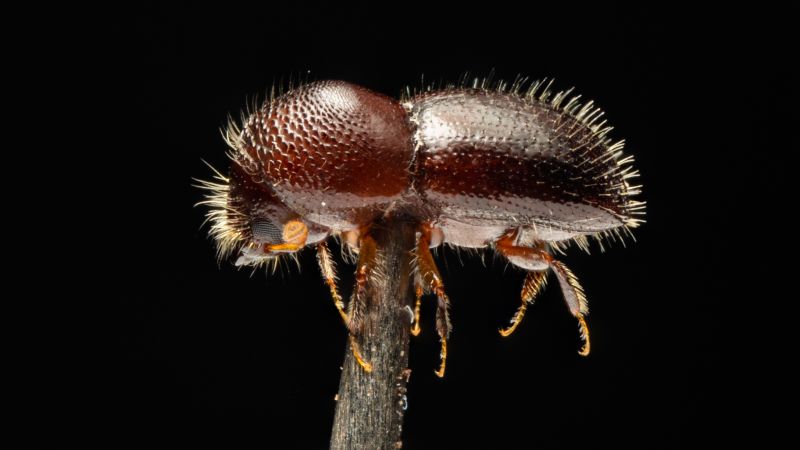
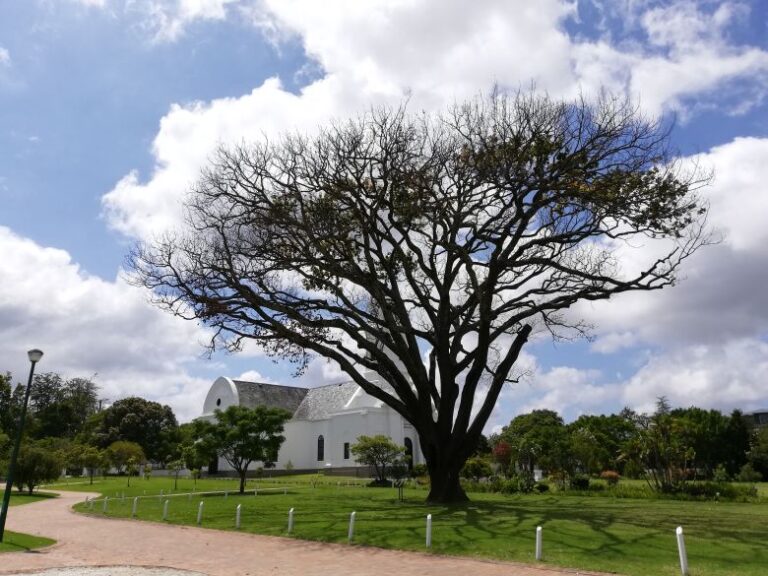
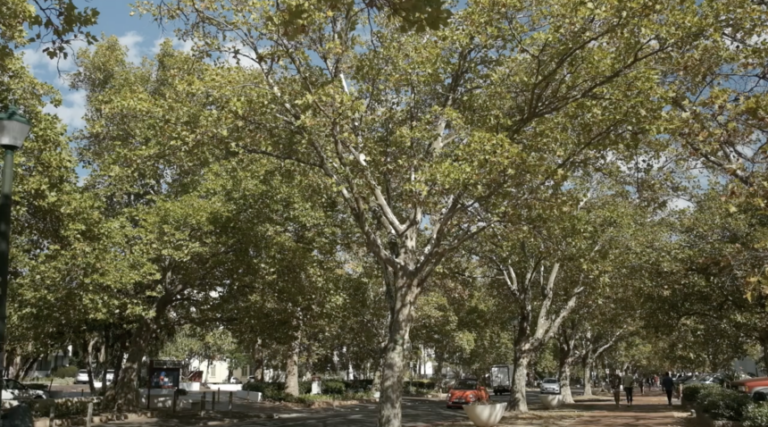
A town with an idyllic setting and grape-stuffed vineyards that roll up into sheer Western Cape mountains, Stellenbosch in South Africa has been known as the City of Oaks for almost 350 years.
Read more Why Karoline Leavitt might be impossible for Trump to replace
It is a title living on borrowed time.
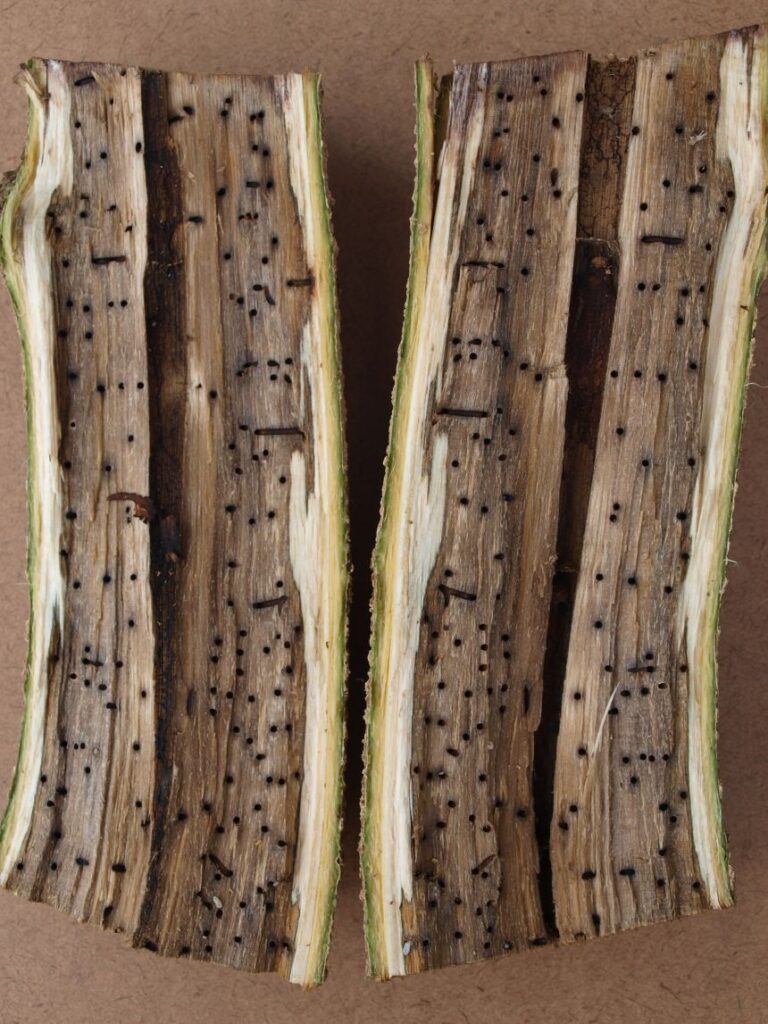
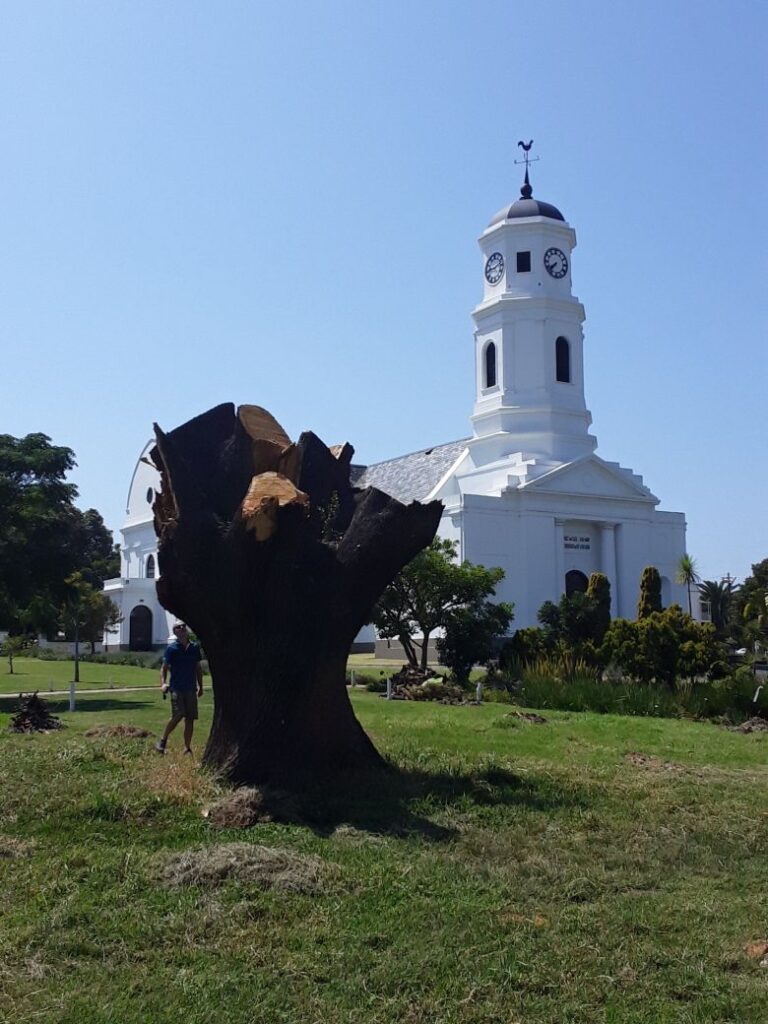
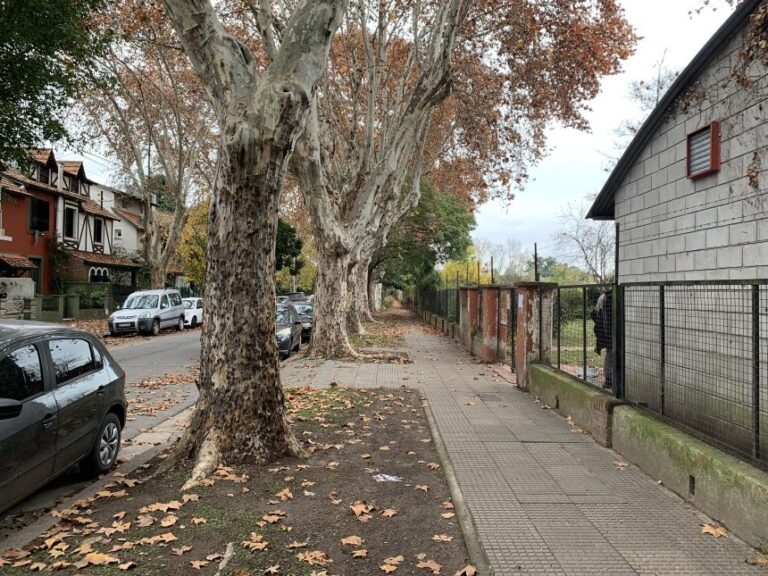
Thousands of the towering English oaks and other urban trees that once lined the town’s streets and homesteads are long gone. Swathes of those still standing are marked for death, their fate written like braille in the form of scores of tiny holes — no thicker than a dot left by a ballpoint pen — beneath the bark.
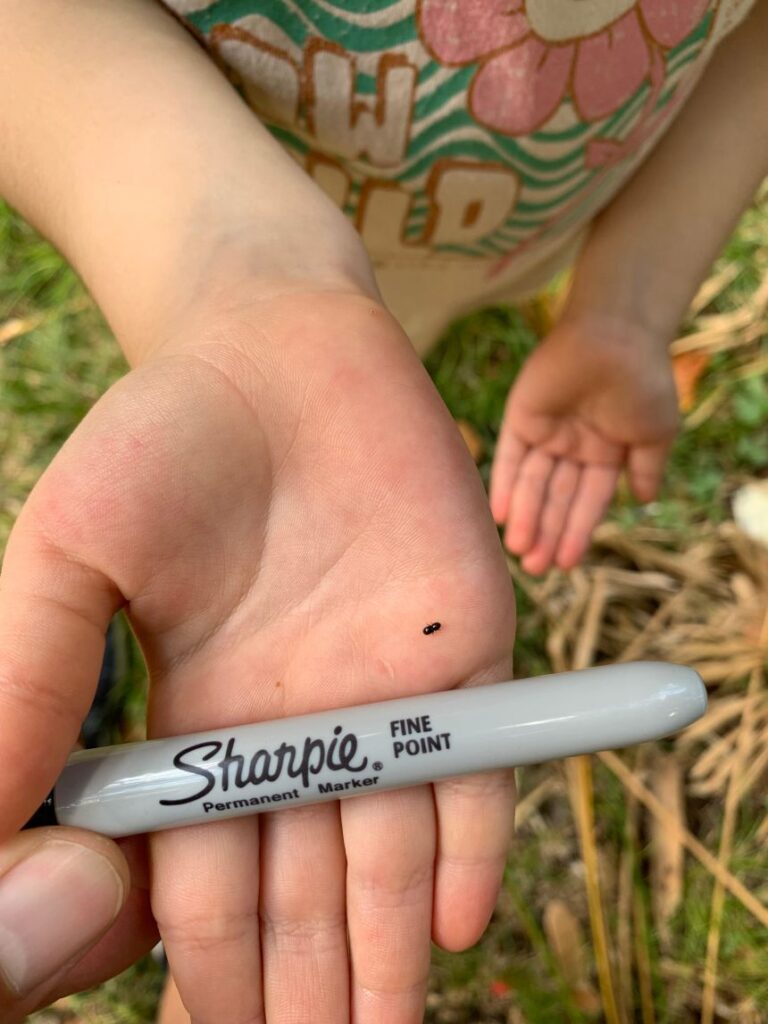
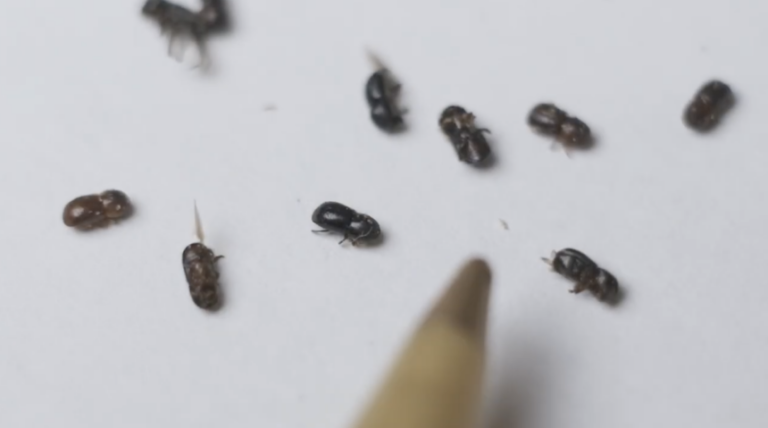
They are calling cards left by the polyphagous shot-hole borer, an invasive species of beetle laying siege to tree populations across South Africa and beyond. It’s a bug no bigger than a sesame seed but its ecological and economic impact is titanic and growing ever larger globally, measured in many millions of trees and billions of dollars.
Native to southeast Asia, the beetle has infested every continent bar Antarctica, according to a study published in the Journal of Pest Science in June, stowing away in wood products, live plants and packaging materials. Roughly 680 tree and woody plant species have been attacked by the bug to date, according to a July review in the Forests journal.
Few countries have felt the force of the insect’s impact quite like South Africa. First detected in the eastern KwaZulu-Natal province in 2012 before the first official case was documented in 2017, the beetle has been identified in all but one of the country’s nine territories.
It may already be in Limpopo, the last province standing, too — just not yet spotted. That is the fear of Francois Roets, a professor in conservation ecology and entomology at Stellenbosch University, who is familiar with the menace he dubs “the perfect invader.”
“I used to have a course for undergraduates where we asked students to design an invasive species based on all the kinds of characteristics that they have,” Roets told CNN.
“This little beetle has all of those things rolled into one.”
A pricey pest
It’s high praise for a beetle that, alone, poses no mortal threat to the various tree species — including avocado, box elder and big leaf maple — it targets. The issue is that the polyphagous shot hole-borer never enters its host’s home without a plus one.
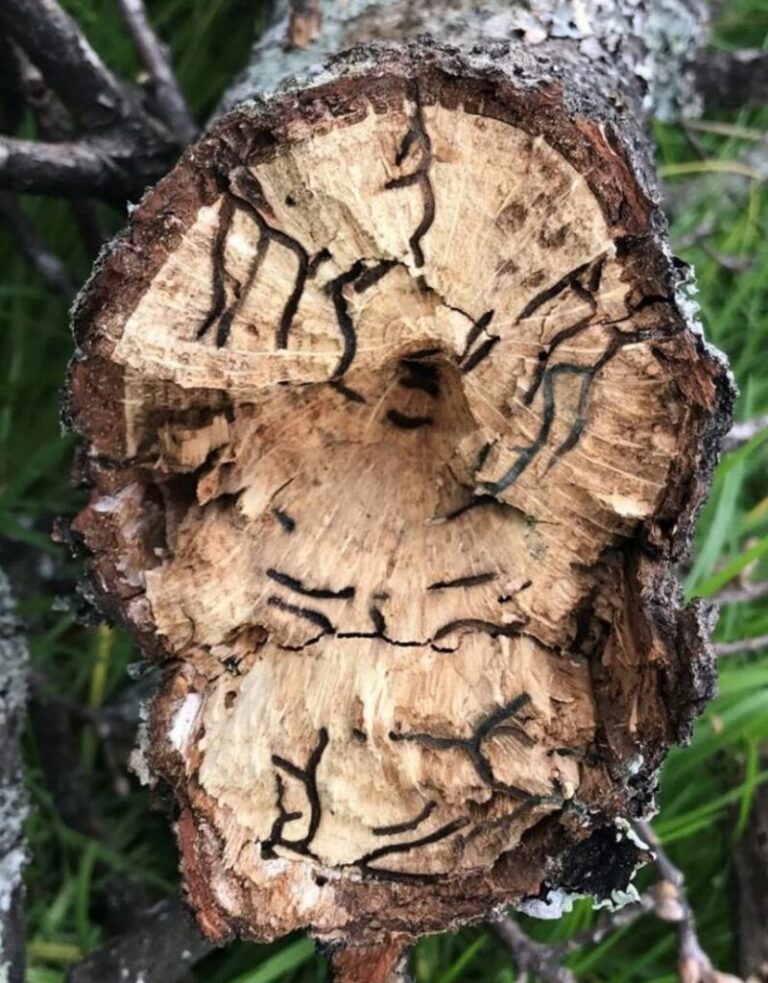
As its name suggests, the beetle bores into trees, drilling tunnels to create breeding galleries. Along for the ride in pouches behind its mandibles are spores of a fungus that are released as the insect chews through the wood.
As the fungus grows, the benefits of a symbiotic relationship are reaped at the tree’s expense. In return for safe passage to an ideal nursery, the fungus offers the beetle both provisions and protection, serving as food for the insect and its larvae while blocking the tree’s vascular tissue, preventing the host’s defense mechanisms from reaching the bug.
More critically, the obstruction blocks the flow of water and nutrients. This fungal disease, dubbed fusarium dieback, triggers drought-like symptoms which lead to severe damage and, often, death. How long the tree survives upon infestation can depend on the species, explains Roets; oak trees typically die within four years, while box elders often don’t survive beyond the first 12 months.
Just a single beetle can start an epidemic. Unusually for insects, the polyphagous shot-hole borer does not require a male to produce offspring. A virgin female can lay unfertilized eggs which develop into males that she can subsequently mate with to start new colonies, a system known as haplodiploidy.
Though males are wingless and females can fly short distances, that reproductive efficiency — combined with its tiny size and penchant for hiding in wood — has supercharged a rapid spread across South Africa.
By 2022, satellite images over Johannesburg put a spotlight on the strips of trees that had disappeared from the city’s suburban streets, a reflection of the sole viable strategy left to responders: remove the infected or dead tree before the beetles can jump to a new host.
That is no cheap solution. Seeking to calculate the economic threat posed to South Africa by the borer, a 2022 study by economists and ecologists at Stellenbosch and Pretoria university estimated that the beetle could have a potential economic impact of 275 billion rand (roughly $18.5 billion at the time) over the ensuing decade — approximately 0.66% of the country’s entire GDP.
Of all the financial costs associated with losing urban trees, the greatest is the price of removal, explained former Stellenbosch University Centre for Invasion Biology (CIB) ecologist and study co-author Brian van Wilgen.
With at least 65 million of South Africa’s 225 million urban trees projected to require disposal, the economic implications of the study provided a bruising follow-up to the obvious ecological costs, such as the amplification of urban heat and the loss of key habitats for birds, insects and other species.
“It’s (still) in the early stages of its invasion, and it could probably do a lot more damage than we’ve even estimated,” van Wilgen told CNN.
Doctor Doom
While Germany and the Netherlands were able to nip the invasion in the bud by responding rapidly to confined occurrences in greenhouses and botanical gardens, there is scant hope for complete extermination once the beetle has ventured into open territory.
Read more Rep. Max Miller sued by ex-wife over release of ‘sensitive’ photo of child
Roets cites the woes experienced by responders in Perth, Australia, who — upon uncovering the beetle in 2021 — spent four years “throwing everything” at an extensive and expensive eradication effort to systematically remove and chip all infested trees, only to watch the bug spread “rapidly” onward.
“I do feel a little bit like Doctor Doom at this stage,” said Roets, who is concerned the beetle is spreading into Stellenbosch’s orchards, taking root in both pear and stone fruit trees.
“I’m making presentations and I have to say, ‘Well, sorry, we don’t have a cure for it, and lots of trees are going to die.’”
With damage control the only tactic left to pursue in South Africa, Stellenbosch has spent years working alongside other universities and municipalities to slow the invasion’s march.
It is a mission that relies on public participation. With social open-fire cooking (“braai”) a beloved national pastime, nature reserves across the country have urged or prohibited visitors from bringing firewood into their land instead encouraging a “buy where you burn” approach to help guard against the accidental transportation of invasive species like the borer.
Efforts to engineer scientific controls continue, though a standout option remains elusive. With research into chemical responses so far proving futile, in part due to the tree’s vascular tissue blockages preventing potential solutions from reaching the beetles, the university is currently looking into biological control options that would see living natural enemies of the invasive species introduced.
Several native parasitic wasps have been found to prey upon the beetle under lab conditions, said Roets, with the caveat that they would unlikely be able to kill at a rate which makes any kind of dent in the spread, given the borer’s rapid reproduction.
The university has also explored mites that could be “taxied” atop the beetles into the tree before feeding on the fungus, and microscopic roundworms — known as nematodes — that have proven successful in controlling other pests by killing their hosts from within.
This warty, toxic pest threatens entire ecosystems. These scientists have a secret weapon
The parasites have performed well under lab conditions but transitions to practical application must be handled with extreme care. There is no greater cautionary tale than Australia’s cane toads, whose now 200-million strong population continues to wreak havoc 91 years after being introduced to deal with the country’s cane beetle problem.
“[Nematodes] seem to work okay, but it’s always that step of taking it from the lab to the field where things can go seriously wrong,” Roets said.
Boring the world
What progress South Africa makes will likely be of keen interest to an ever-growing list of countries. Invasive species of all kinds are already costing the global economy more than $423 billion annually.
The borer has established itself in Spain, Uruguay and Turkey since 2022, according to June’s distribution study, displaying an “alarming ability” to expand its ecological niche by spreading into both subtropical and temperate regions.
It’s a level of climatic tolerance that sets it up to potentially spread from California,where it is already established, farther into the southeastern US, eastern Mexico and parts of Central America. It might also make inroads up the African continent and through the Mediterranean basin. Global warming could open more avenues for invasion, the study added.
Roets highlights a lack of financial backing as the biggest obstacle to response efforts, but he endeavors to find a silver lining in the struggle. From a strictly scientific angle, he marvels at the proliferative power of the beetle, and — from the ashes of destroyed oak trees — sees an opportunity to replant new species that will serve to boost biodiversity while simultaneously insulating against the pest.
“I’m trying to sell it as a bit more positive these days,” he said.
“It’s a challenge, but it’s quite fun to try and see if we can find something that can help to manage it (the invasion).”
How a YouTube video accidentally proved the existence of Libya’s ‘desert ghosts’
His old colleague van Wilgen, now retired from a near half-century-long career of studying invasive species, finds it harder to keep his glass half full. While South Africa is long familiar with invasive alien plants like large pines and eucalypts, he fears the country is playing catch up to conjure defenses capable of slowing the borer’s relentless march.
“This is a new thing,” he explained. “We’re dealing with an invasive insect that’s attacking natural ecosystems. So it’s a field in which we don’t have much experience yet, and we better learn fast.”
Read more How the Democratic establishment beat the odds in Wisconsin