 By admin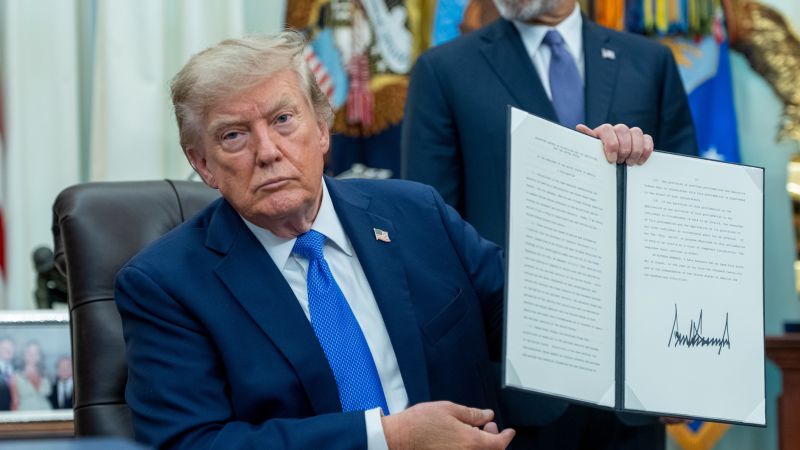
President Donald Trump’s latest effort to curb birthright citizenship is facing fresh skepticism in court, with immigrants who successfully fought his earlier bid to end the right asking a federal judge to stop the president’s new gambit.
Read more Taylor Farms recalls jalapeño products due to salmonella risk
The Supreme Court ruled in June that an executive order Trump issued after returning to office last year was unconstitutional because it directly conflicted with the Constitution’s guarantee of citizenship for nearly all babies born on US soil.
In response to that decision, Trump signed a new executive order last week that appeared to largely tighten laws already in place and narrow recognized exceptions. Among other things, the order said federal agencies would not recognize the citizenship of children whose parents are not citizens if either parent is “an alien enemy,” “a foreign government employee,” or engaged in so-called birth tourism.

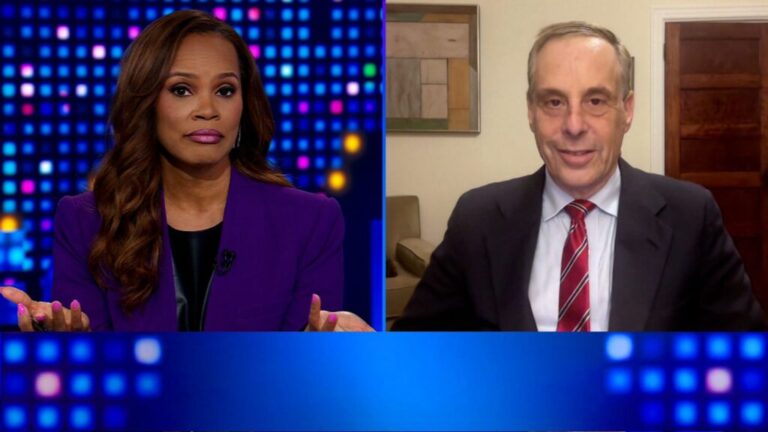
Trump Takes Another Swing at Birthright Citizenship | CNN This Morning | CNN Audio
The new order, lawyers with the American Civil Liberties Union and other civil rights groups told a federal judge in New Hampshire on Tuesday, “purports to strip birthright citizenship” from immigrants belonging to a class they represent “despite the Supreme Court’s recent decision.”
“To avoid any doubt in this regard, the court should underscore that the government may not strip away class members’ citizenship through any executive orders or other similarly flawed assertions of Executive power over birthright citizenship,” the attorneys wrote.
The request from the groups to US District Judge Joseph LaPlante is the first direct challenge to the new executive order. In at least one other case, lawyers who previously challenged Trump’s 2025 executive order have asked a judge in Maryland to assess whether the president’s new effort could impermissibly deny citizenship to their clients.
LaPlante, an appointee of former President George W. Bush, had ruled last July that Trump’s first order was unconstitutional and barred officials from being able to enforce it against anyone who may have been impacted by it. That case went up to the Supreme Court, which upheld his ruling.
The high court has long recognized some exceptions to the rule that anyone born in the US has a right to citizenship, and it did so again in its blockbuster decision this summer. But those are limited to children born to diplomats and “enemies” during a “hostile occupation.”
In court papers submitted Tuesday to LaPlante, the ACLU said that Trump’s attempt to broaden the exceptions was patently unlawful.
“The Supreme Court has been clear that the exceptions to the Citizenship Clause come from the Clause and the Court – not from the President,” they wrote, referring to the provision of the 14th Amendment that deals with citizenship.
In the Maryland case, lawyers representing immigrants who challenged Trump’s first executive order told the court that the Justice Department conveyed to them that the new action “operates only prospectively and is not effective until guidance is issued.” The department provided no other information about last week’s order, the lawyers said in a filing.
Read more Trump signs executive order aimed at reducing number of recommended childhood vaccines
CNN has reached out to the Justice Department for comment.
CNN’s Priscilla Alvarez and John Fritze contributed to this report.