 By admin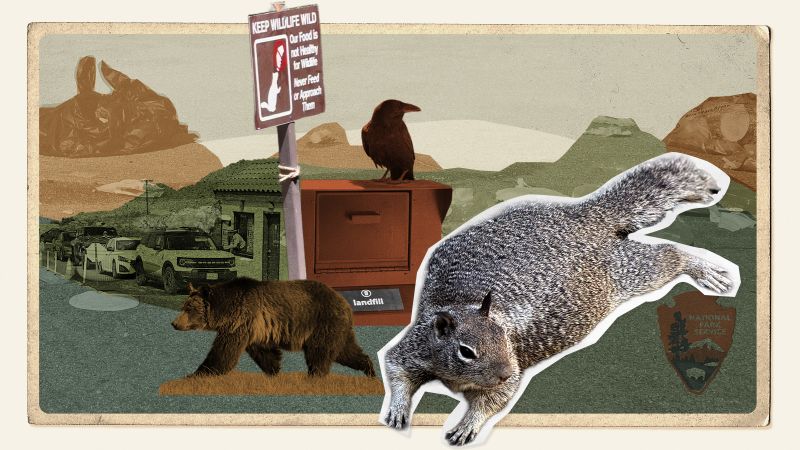
As a backcountry ranger at a national park, Sam built a career doing work that many visitors never see: patrolling trails, checking campsites and educating hikers on how to keep themselves and the park safe. Sam had never been asked to collect entry fees — until this year.
Read more Justice Dept. admits Reflecting Pool renovation was flawed, drops case against former Olympian
Now, Sam works overtime each week at the park’s entrance station, miles away from the backcountry. Colleagues who would otherwise be busy doing ecological work in the parks now scramble just to keep up with cleaning bathrooms and picking up trash, Sam said.
More than a year after the Trump administration laid off around 1,000 NPS employees, national parks are straining under a staff shortage amid sweeping changes from the White House. Tourists are flocking to parks this summer in near record numbers, due in part to the removal of the timed-entry reservation system at some parks. Fishing access has been expanded, hunting restrictions lifted\ and limits on off-road vehicles rolled back.
Making matters worse, a larger portion of the entry fees Sam and others collect is being diverted away from national parks, and back to Washington, DC.
Rangers, experts and local business owners who depend on the parks told CNN that while the White House has tried to prioritize the visitor experience by making parks more accessible, the changes – rolled out suddenly and without much notice – coupled with staff shortages have sent a delicate ecosystem into disarray.
The impact shows up in numerous ways – from longer lines to economic downturn for nearby businesses to plumper squirrels and problematic bears.
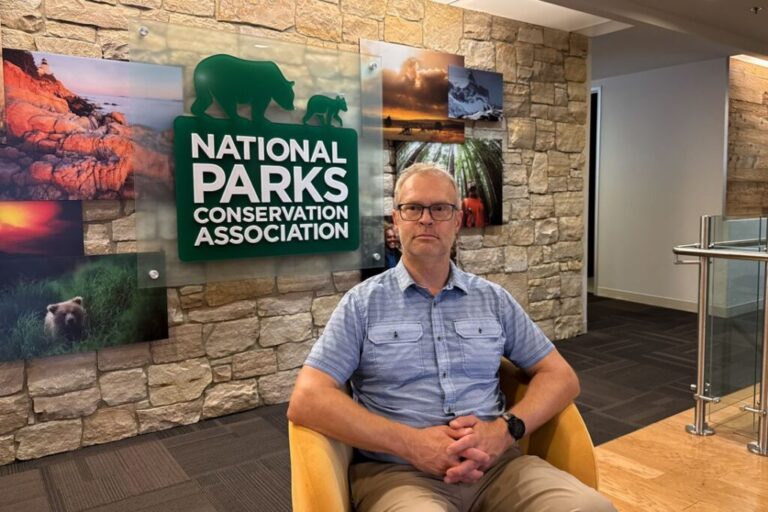
“National parks are about much more than the visiting experience. These are not theme parks,” said John Garder, a senior director at the National Parks Conservation Association, a nonprofit charity focusing on the protection of National Parks.
More money for DC as parks are stretched thin
A CNN analysis found that so far this fiscal year, the administration has redirected at least 30.5% of revenue from national park fees toward projects in Washington, DC, including $8 million out of the $14 million budget for President Donald Trump’s revamped Lincoln Memorial Reflecting Pool. However, under federal law, only 20% of fees collected at national parks are supposed to go toward free parks, which include DC landmarks.
“It’s just completely upsetting,” Sam said. “Infuriating.”
Sam is a pseudonym for a national park ranger who, like other NPS employees who spoke to CNN, did so on the condition of anonymity out of fear of reprisals.
Garder, of the National Parks Conservation Association, also described the redirection of funds as “deeply concerning.”
“What adds insult to injury is that there is no transparency as to what projects exactly … [it] is going towards and the projects that will not be happening or are not happening throughout the country as a result of the diversion of those funds,” said Garder. “We’re concerned as well about the potential for some of those funds to be used for some of these large construction projects or vanity projects, which again haven’t gone through congressional review, or are not being adhering to the National Historical Preservation Act and the National Environmental Policy Act and other laws.”
The Interior Department offered a defense in a statement to CNN, saying, “The Trump administration is looking at different funding mechanisms for deferred maintenance which include endowment funds and revenue brought in from the sale of park passes. The National Park Service has not only been focused on beautifying the district for the 250th celebrations in our nation’s capital but has also been working on many deferred maintenance projects throughout the country.”
The Interior Department and NPS did not respond to a separate request for comment on other concerns, such as the strain on staff, effects of larger crowds and impact on local businesses.
This all comes as the National Parks were already facing a yearslong maintenance backlog worth more than $24 billion. In several parks, roads have been closed for as long as five years with no progress. Money is so tight that sometimes, just stocking the bathrooms can be a hassle.
One NPS employee CNN is identifying as Jane primarily collects entrance fees and issues passes at a national park in the southwest. She said buying even a roll of toilet paper for the restroom in her park requires layers of approval because there’s a spending freeze.
The park nearly ran out earlier this year, which meant the restroom would have to close and the closest available one for visitors would be two hours away. Jane also said that some rangers at her park have had to take on custodial work because staffing levels are so low.
A third NPS employee who CNN is identifying as Alex said that employee housing facilities at the park where he works in the Pacific Northwest especially need refurbishing, forcing many permanent staff to commute more than an hour for work.
“Burnout amongst those employees is higher and turnover is huge, and we lose a lot of people because they don’t like commuting that far,” he said. “It’s hard to keep people.”
‘The squirrels are getting fat.’
Mikah Meyer, a National Parks expert and influencer who visited all the National Parks in a three-year trip spanning from 2016 to 2019, said he has heard from friends who are park rangers that some who typically work as researchers are now doing janitorial work.


“They have gone from working in their specialization that they are skilled for and trained for to literally cleaning your sh*t,” said Meyer. “I’ve got friends that work all over the park system in tons of different states and territories, and I’m hearing the same thing from all of them.”
Alex also said that staff shortages have led to an increase in people feeding animals at the park as well as leaving behind food that the wildlife pick up.
“Bears have been really bad this summer,” said Alex. “They have been getting into a lot of food this summer, and bears that become problematic have to be put down. I’m worried that we’re going to have to lose some of our bears.”
Elisabeth Barton, co-founder of Echo Adventure Cooperative, a tour-guide service near Yosemite, says fewer interpretive rangers – the ones who educate visitors about how to behave – has led to less enforcement, and consequentially, more people feeding the wildlife or leaving trash behind.
Read more Trump, under pressure on Iran, takes his Cabinet to the woods
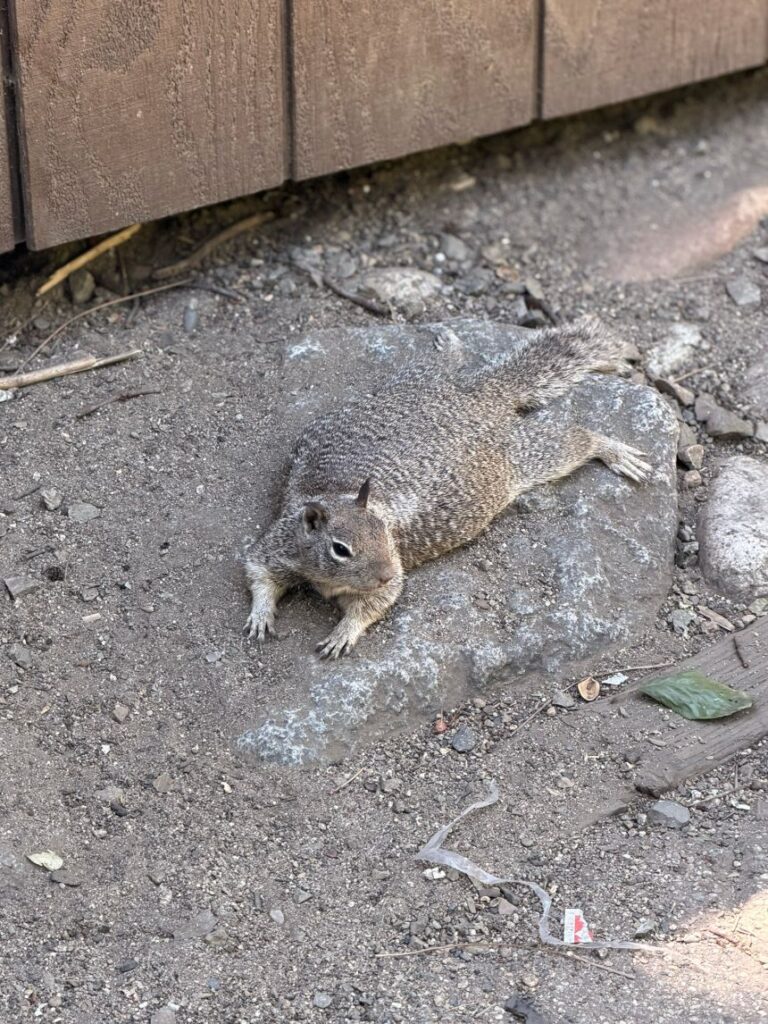
“The squirrels are getting fat,”said Barton, who was picking up trash around a Yosemite clearing with picnic tables as she spoke to CNN. “God, a squirrel with a baguette just ran by.”
‘The weekends are untenable’
One concern among rangers is that the removal of a timed-entry system could complicate evacuations during wildfire season. Alex said that on weekends, when the park he works at in the Pacific Northwest is more crowded, guests park on the side of the road.
“Those people are going to have a hard time getting back to their cars in a situation like that,” Alex said, referencing a potential wildfire.
Four major parks – Yosemite in California, Glacier in Montana, Arches in Utah and Mount Rainier in Washington – no longer have timed-entry systems.
At Echo Adventure Cooperative in Yosemite, Barton said she’s struggling to balance staffing levels because business has been unpredictable without the reservation system.
“The weekends are untenable,” she said. “The valley is functionally inaccessible” because it’s so busy.
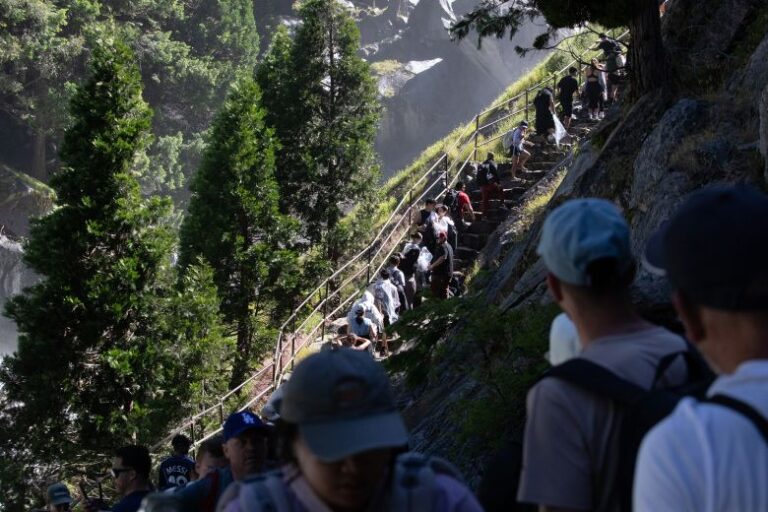
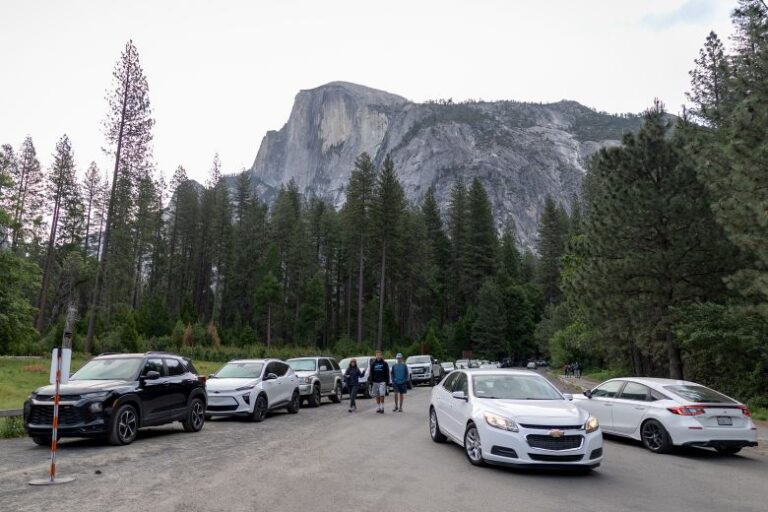
Yosemite has boasted a 12% rise in visitation this year. Barton cited the July Fourth holiday weekend as an example of crowding, with many social media users documenting crowding. Then, during the weekdays, the park is empty. Previously under the reservation system, she said, visitation was much more spread out.
“It reduces the ability to have long-term employment,” Barton said, adding that the sudden nature in which the changes were rolled out did not give guides or park rangers time to prepare for them.
The Department of Interior also lifted hunting restrictions at several national parks. At Curecanti National Recreation Area in Colorado, a ban prohibiting weapons from being fired from, toward, or across a hiking trail was removed. In Texas’s Lake Meredith National Recreation Area, hunters can now clean their game in public restrooms. And in Louisiana’s Jean Lafitte National Historical Park and Preserve, alligators can be hunted.
“I really do appreciate the park’s attempt to increase access,” Barton said. “I just don’t know that they’re actually meeting that goal, at least not from where we’re sitting.”


Barton is one of several guides who has also seen new higher fees for international visitors have a negative impact on business. Under a policy that took effect this year, non-US residents must pay $250 for the annual national park pass — more than triple the standard $80 which US residents continue to pay. Foreign tourists who don’t purchase the pass are required to pay a $100-per-person fee, in addition to the standard entrance fee, to enter 11 of the most-visited national parks.
Appearing on Katie Miller’s podcast, Interior Secretary Doug Burgum defended the higher fees for international visitors, saying, “We’re generating record revenue this year from international and foreign visitors. That is helping us have more money to pay for the deferred maintenance across the country.”
But others say the higher fees have reduced the number of international visitors to parks. McKay Edwards, who owns Moab Springs Ranch outside of Arches National Park in Utah, told CNN that the percentage of his hotel’s international guests has been cut in half since 2024.
“We’re looking at being in survival mode from now until the end of this administration,” Edwards said. “This administration has not been good for tourism.”
‘Devastating’ past year strains rangers
Sam said that staff at their national park now live in fear that they’ll lose their jobs. They’re encouraged to take early retirement or buyout opportunities.
“You almost feel like if you didn’t take this, what would happen to your job?” Sam said.
Sam said staffing levels are around 60% at their park, forcing employees in positions like human resources and maintenance to work at fee booths.
“When it comes to being demoralized, the shuffling around of park rangers and consolidating them, that’s really stripped a lot of rangers of their identity,” Sam said.
Sam said some NPS staff have been “getting snappy” with park visitors more often as they’re feeling overwhelmed. “It’s really hard to keep a calm, nice face when you’re under those circumstances, and you still have a public that expects you to be completely at their service,” Sam said.
Sam has worked at national parks through several administrations, including the first Trump administration. While there were issues then, they acknowledged, the last 18 months have been worse.
Tim Whitehouse, the executive director at Public Employees for Environmental Responsibility (PEER), an organization that works with and supports park rangers, scientists, land managers and other civil servants, said he’s in touch with many NPS employees. He pointed out that rangers are already people who live in remote areas under difficult conditions for little pay because “they love the mission,” so the past year has been “devastating for them.”
“These things that are needed to keep any huge organizational footprint working are not being supported and funded,” Whitehouse told CNN. “That can be maintenance workers, that could be people collecting fees, it can be trail maintenance – all of these things are being degraded and people are being asked to step in and try and fill these holes when they may not be able to, may not have the qualifications to do it, or may already have a full-time job elsewhere in the park service.”
Read more Scientists discover an eyeless cavefish in Alabama and name it after ‘Stranger Things’ monster