 By admin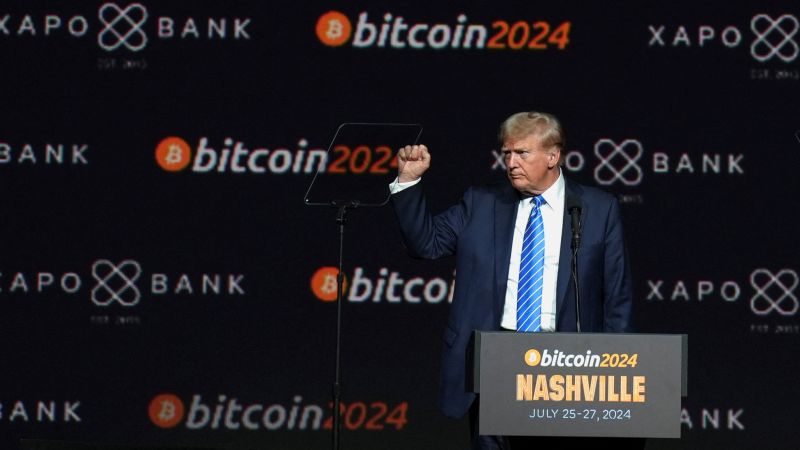
The Trump administration in recent weeks has pressured current and former US law enforcement officials to help corral support for a milestone cryptocurrency law that critics say could be exploited by narcotraffickers, terrorists, and other criminal groups, according to multiple people briefed on the matter.
Read more I’m learning to play tennis. Here’s everything a beginner needs to get started
The pressure comes as the legislation has faced headwinds in the Senate, including from lawmakers who say it allows President Donald Trump to continue to benefit from his cryptocurrency earnings while in office.
The campaign on law enforcement groups is part of a broad push led by White House officials, Republican lawmakers and acting Attorney General Todd Blanche to rebut concerns raised about parts of the proposed Clarity Act.
The administration and cryptocurrency industry groups say, if passed, the law would bring regulatory certainty to the digital currency industry and ensure the sharing of information about illicit activity with law enforcement. At the urging of Democrats, the White House agreed to new ethics provisions that ban government officials, including Trump, from issuing new digital currency.
Some critics, though, are focused on a part of the bill that allows Trump to keep benefiting from his cryptocurrency ventures, including $TRUMP memecoin, which was launched days before he took office. The proposed legislation wouldn’t prohibit those earnings. Those lawmakers also say the bill includes “loopholes” that leave room for Trump to enter new ventures and does not include an enforcement mechanism if he is found to be in violation in the restrictions that are included in the legislation.
Supporters of the bill are hopeful it can pass before the Senate recess in August, but Senate leaders have warned about challenges ahead.
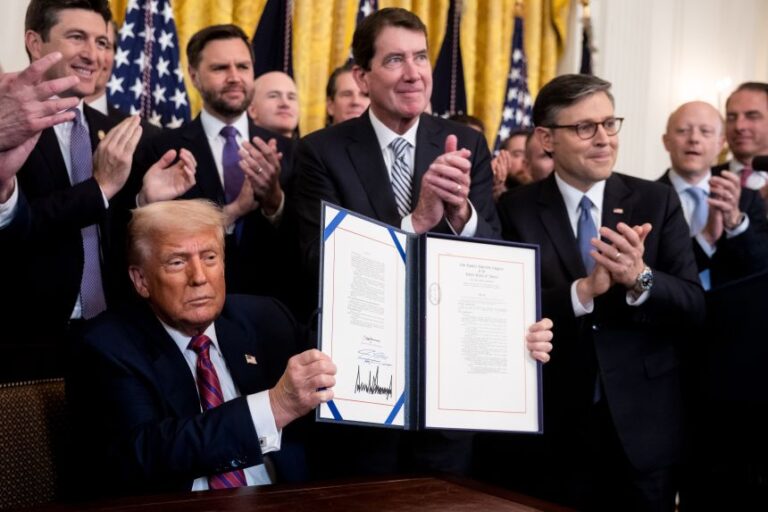
Trump campaigned on promises to make the US the “crypto capital of the planet,” and since taking office in his second term, his administration has embraced the crypto industry. Trump issued an executive order to reduce regulatory burdens on the industry and to establish a national cryptocurrency reserve. At the Justice Department, Blanche shut down some cryptocurrency criminal investigations and disbanded a group of prosecutors and investigators who focused on cryptocurrency crimes as part of the National Cryptocurrency Enforcement Team.
Some law enforcement groups, including the National District Attorneys Association and the International Association of Chiefs of Police, have warned that the proposed law does not do enough to ensure transparency and accountability among crypto companies. Their public safety concerns have complicated efforts to pass the legislation.
Patrick Witt, a Pentagon official and executive director of the President’s Council of Advisors for Digital Assets, leaned on officials at the FBI and other agencies to try to join the effort in support of the Clarity Act, one US official briefed on the discussions told CNN.
The outside agencies who represent current and former law enforcement and wield influence on legislation say they got a full court press. “Everybody in the law enforcement got hammered to support that legislation,” says an official with one law enforcement group who received calls from Trump administration officials and supporters of the bill.
Reached on the phone, Witt declined to speak to CNN other than to point to law enforcement groups that have come out in support of the bill. These include the National Organization of Black Law Enforcement Executives and National Fraternal Order of Police, according to letters the groups have made public.
The White House didn’t immediately return a request for comment.
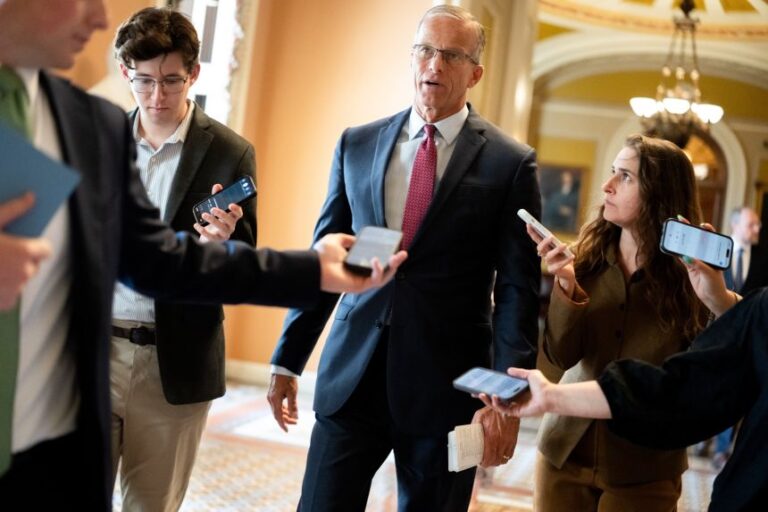
Crypto industry supporters say the legislation is needed because it helps companies better comply with legal requirements and keep criminals from using their platforms.
“Nobody can say the bill doesn’t advance law enforcement’s ability to go after illicit activity,” Faryar Shirzad, chief policy officer for Coinbase, a cryptocurrency platform, told CNN in an interview.
The critical groups took issue with possible gaps the law could leave in preventing the use of crypto to finance terrorism.
“Several provisions throughout the bill will reduce transparency, limit accountability, and create gaps in the anti-money laundering and countering the financing of terrorism framework that law enforcement relies upon to identify criminal activity, protect victims, and safeguard national security,” a slate of law enforcement associations said in a joint letter to Blanche last month.
Read more State Department announces Trump passports will be available throughout the US
Trump’s stance on crypto
The Trump administration’s embrace of crypto rewards an industry that boosted his election campaign millions of dollars in donations. Trump has since reported making more than $1.4 billion from cryptocurrency ventures in his first year back in office, according to the president’s most recent financial disclosures.
Despite bipartisan support in the House, which passed a version of the legislation last year, the proposed bill has run into obstacles in the Senate. As some Democrats have used Trump’s own crypto profits to raise ethical questions about the law, the banking industry has assailed the bill as a giveaway to competitors.
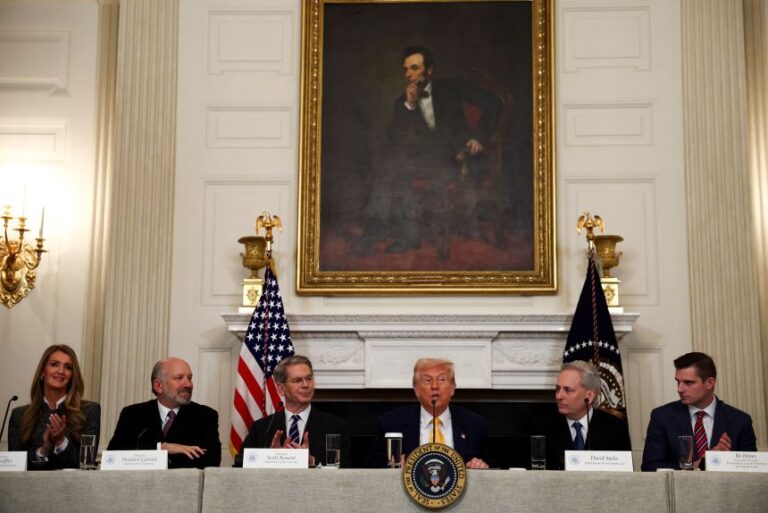
At issue are many of the anti-money laundering and know-your-customer regulations that banks and money service companies have to abide by. The US government has for years used those regulations to try to stop the flow of money to terrorist groups and narcotraffickers.
Some cryptocurrency industry companies already register with regulators and follow some of the same rules. But in recent years, during the first Trump administration and the Biden administration, prosecutors have targeted some crypto-industry companies for running afoul of some registration requirements. The lack of regulations specific to the cryptocurrency industry has been a major problem, critics and supporters of the Clarity Act agree. Whether the proposed law goes far enough is another matter.
Blanche, who is trying to win votes for his nomination as attorney general, has also spent time briefing outside groups to urge their support and seeking to assuage concerns, according to people involved in the discussions.
A Justice Department spokesperson rejected some claims in the critical letter from the law enforcement groups.
“The Administration works tirelessly to champion law enforcement through policy, funding, and legislation. The letter from these groups contains factual inaccuracies and mischaracterizes Administration policy,” the Justice spokesperson said. “The bill does not restrict DOJ’s ability to investigate or prosecute criminal activity involving digital assets, including drug trafficking, human smuggling, and terrorism financing.”
At a Capitol Hill event this week, Sen. Richard Blumenthal, ranking member of the Senate Permanent Subcommittee on Investigations, highlighted the testimony of Americans who said they lost tens of thousands of dollars after investing in Trump cryptocurrency launched before the president’s second inauguration.
Blumenthal cited the examples to call for more ethics safeguards in the Clarity Act.
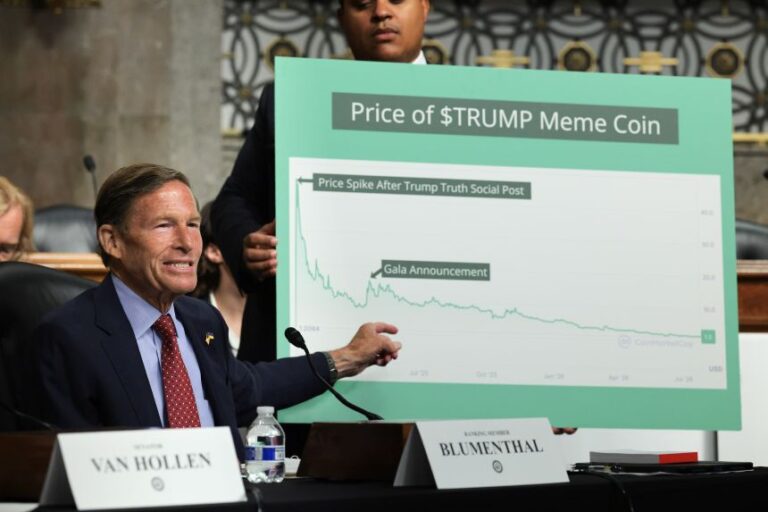
Scott Greytak, deputy executive director of Transparency International U.S. echoed Blumenthal and criticized new ethics provisions made to the bill, which ban the president from issuing new cryptocurrency. The provision applies only until the end of Trump’s term.
“I’ve never seen ethics language that was cast so clearly only to accommodate a politician, President Trump,” he said.
Among other issues, Greytak finds fault with the law’s exemptions for certain so-called decentralized financial transactions, which allow people to trade assets using software that doesn’t go through a third-party such as a bank.
“You are legitimizing the ability of criminals to use this medium of value to commit crimes,” he said.
Read more Mandela Barnes drops out of Wisconsin governor’s race as Francesca Hong rises in polls