 By admin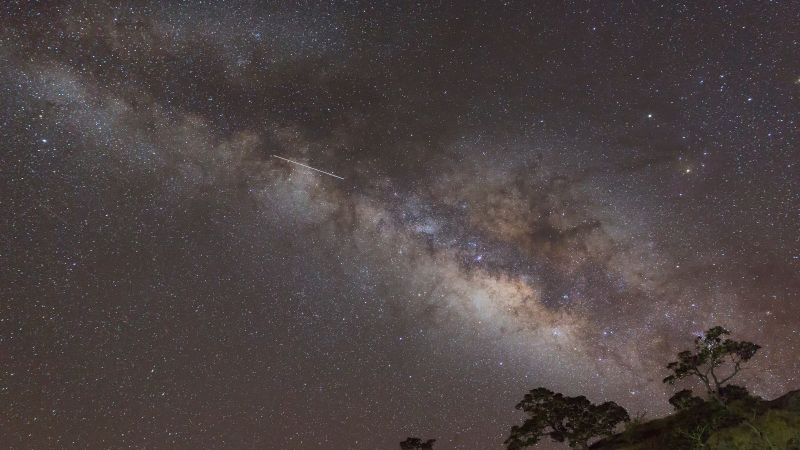
A double meteor shower peak will occur this week — but sky-gazers might have a difficult time catching a glimpse of the cosmic activity.
Read more I wanted to get serious about cycling. These beginner essentials helped me do it
The Alpha Capricornids are active from early July to mid-August, and the Southern Delta Aquariids are active from mid-July to mid-August, but both are expected to reach their peaks — the point at which Earth will pass through the densest part of the shower — Thursday night into Friday, according to the American Meteor Society.
A third meteor shower, the Perseids, will also be active this week, though it won’t peak until mid-August.
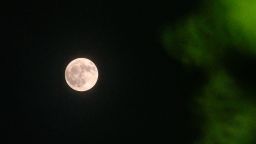
However, the July full moon will peak and appear at its fullest on Wednesday, and its reflected light will hinder visibility of fainter meteors, according to Bob Lunsford, report coordinator for the American Meteor Society.
How to see July’s full buck moon
The Alpha Capricornids and the Southern Delta Aquariids occur annually, but a full moon usually limits visibility of a meteor shower peak around every three years, Lunsford said.
At a different point of the month, the meteor showers would be best visible when the moon is below the horizon or before it has risen — “but with the full moon, it’s up there all night,” said Bill Cooke, lead of NASA’s Meteoroid Environment Office. The meteors are “just going to be very difficult to see.”
People in the Southern Hemisphere might have a viewing advantage, however. From the Southern Hemisphere, the radiant — or the point from which meteors appear to come — is higher overhead compared with where it sits above the Northern Hemisphere, Cooke said.
To get the best vantage point, try viewing the meteor shower from a high elevation and position yourself “facing northward with the moon at your back, so that the direct moonlight doesn’t affect your night vision,” Lunsford advised.
The Southern Delta Aquariid meteor shower radiates from the Aquarius constellation and is known to produce faster-moving meteors — around two per hour as seen from the Northern Hemisphere and three per hour from the viewpoint of the Southern Hemisphere.
Meanwhile, the Alpha Capricornid meteor shower radiates from the Capricornus constellation and tends to feature brighter meteors that are easier to spot — around three per hour as seen from both hemispheres, the American Meteor Society reports.
Read more Why Anthony Fauci might not be safe after pleading the Fifth
What meteor showers teach observers
Meteor showers can provide spectacular views, but that’s not the only reason to observe them. Viewing these cosmic events can reveal key insights into space.
Taking note of such events can help experts “determine the particles in space that are orbiting and when we intercept them every year,” Lunsford said.
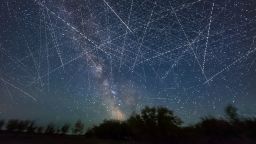
What’s more, keeping track of meteor showers can help better ensure the safety of human spaceflight.
Meteor showers can reveal what spacecraft and crews might encounter in space, Cooke said.
Collisions in space are a growing concern. A plan to address it is reigniting a turf war
Upcoming meteor showers
The double meteor shower peak may be difficult to observe, but the upcoming Perseid meteor shower will peak in August and is expected to produce a more spectacular display with clear skies, according to EarthSky.
Here are the peak dates for meteor showers in 2026, according to the American Meteor Society.
- Perseids: August 12-13
- Orionids: October 21-22
- Southern Taurids: November 4-5
- Northern Taurids: November 11-12
- Leonids: November 16-17
- Geminids: December 13-14
- Ursids: December 21-22
Sign up for Countdown newsletter and get updates from CNN Science on the upcoming total solar eclipse and out-of-this-world expeditions. Plus, take deep dives into the future of space exploration.