 By admin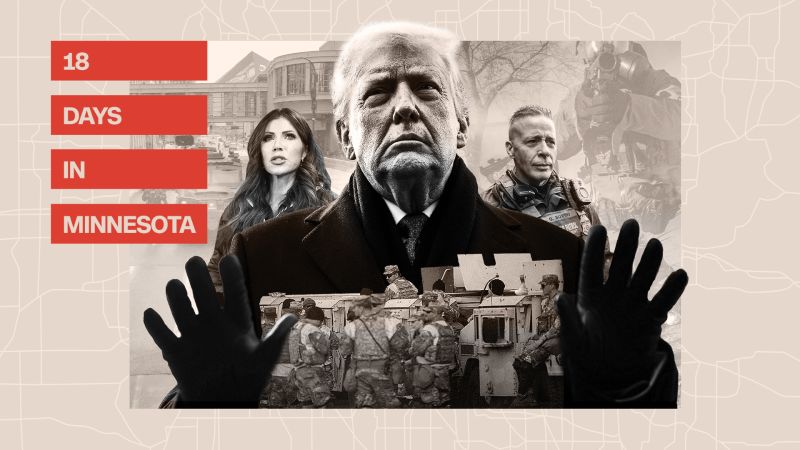
“Someone’s going to get killed.”
The warning, from an agent of the federal Homeland Security Investigations division, sent a chill through the other officials in the room.
Read more American scientists see prosecutions as part of federal campaign against them
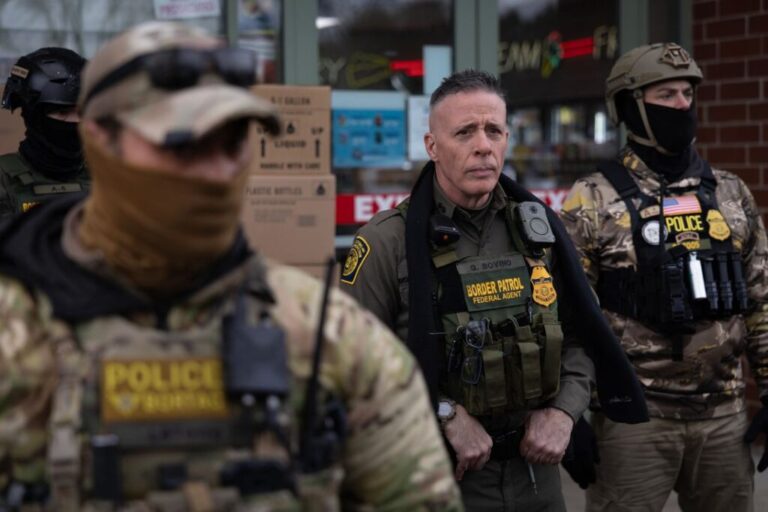
It was early January 2026. The HSI agent explained how the team was afraid about what was coming, about what seemed preordained as the Trump administration sent Immigration and Customs Enforcement agents, Customs and Border Protection officers, Border Patrol agents and controversial Border Patrol commander-at-large Gregory Bovino into Minneapolis for what the administration called Operation Metro Surge.
You don’t understand, Homeland Security officials had been trying to explain to local prosecutors and other officials. Border Patrol — these guys are not the right people to be doing immigration raids in a city. They’re used to standing alone at the southern border, no backup for 50 miles, thinking of themselves as the last line of defense. They get away with a lot. This is going to get ugly.
The HSI agent’s fears about the unprecedented surge of DHS personnel proved prophetic. The deaths of Renee Good on Wednesday, January 7, and Alex Pretti on Saturday, January 24, at the hands of federal immigration agents, followed soon after.
This is the story of the 18 days between the killing of Good and Pretti, the highly questionable ways the Trump administration handled immigration enforcement and the shootings, and the atmosphere of aggression and mendacity that continues to mark its enforcement operations. CNN spoke with more than a dozen former and current members of the Trump administration, most of whom refused to go on the record out of fear of retaliation by the administration.
After Good was killed but before Pretti was, Bovino asked for a call with the US attorney for the District of Minnesota, Daniel Rosen. The call fell to prosecutors in the office, but Rosen didn’t participate.
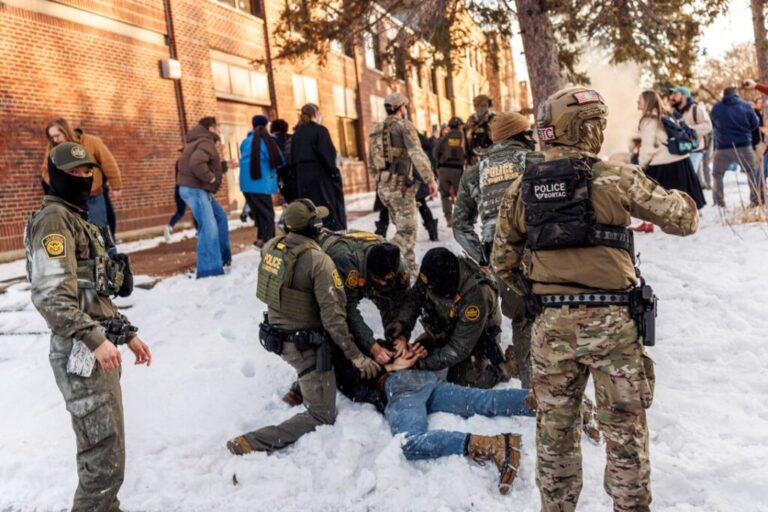
Bovino was angry that prosecutors hadn’t been filing cases against protesters whom he and his agents claimed had been guilty of AFOs — assaults on federal officers.
There was a reason for that. The prosecutors in the US attorney’s office, who had previously as a matter of course trusted the accounts of law enforcement officers when they brought AFOs to their office, had seen many of the immigration agents’ complaints proved to have been downright false when evidence was presented.
The immigration agents, the prosecutors concluded, were lying. A lot.
The prosecutors were stunned by what Bovino said on the call. The shooting death of Good, a 37-year-old mother of three, hadn’t pushed Bovino, who arrived to the city shortly after her death, into a more cautious place. Quite the contrary.
“These people are wackos,” Bovino said, referring to Minnesota protesters. “The shit is getting ready to come. We’re not putting up with anything in this city. It’s coming. We’re not going to calm it down, we’re going to put it down.”
He went on. “You’ve got 3,000 law enforcement agents that are fixin’ to lock this city down,” he said. “If it doesn’t work, we’re gonna bring 4,000 more. It doesn’t matter to me. We’re going to pacify this place, we’re going to roll ‘em up. We’re not going to wait on the local PD, we’re not going to piss with it.”
He went on to talk about occupying the city. And then he made a disparaging remark about Rosen, who is an observant Jew and couldn’t be reached during the Sabbath on Saturday, sneeringly referring to him as one of the “chosen people.”
The prosecutors were stunned at what they were hearing, that Bovino was boasting this way about quelling the protests, and doing so on a phone call with prosecutors he didn’t even know. All the fears described to them by members of the HSI had been correct. Bovino was there for all the wrong reasons, they thought, with a strategy purposely designed to inflame, to justify violence by the federal government. Some wondered if Bovino had been sent to Minnesota to spark a riot.
“They’re going to kill someone else,” a prosecutor on the call said later. Others agreed.
Asked by CNN about the call with prosecutors, Bovino said he was focused on his mission of dealing with the protests.
“I wasn’t mad. I was simply trying to get something done,” he said. “Maybe I was a little intense — I hope I was — and I don’t think they liked that too much.”
Though he said he didn’t recall his exact words, Bovino said the idea of putting down the protests was not something he would say. As for the “chosen people” comment, Bovino denied it was intended to be antisemitic. He said he was simply frustrated that Rosen had not been reachable on a Saturday, and that he wanted someone to “answer the goddamn phone.”
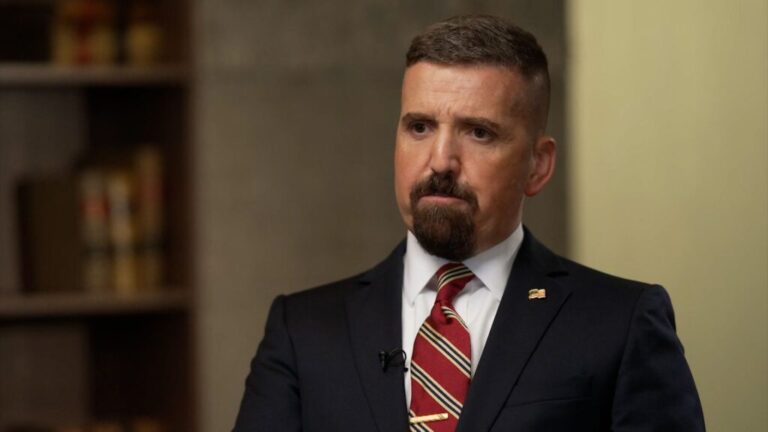
Tom Calhoun-Lopez, then the chief of the Violent and Major Crimes section for the Minnesota US Attorney’s Office, told CNN that time and again, from the beginning of the Trump administration’s immigration surge in Minnesota, what the Justice Department told his office to do was “antithetical to principles of law enforcement. I could not reconcile what I was being asked to do with my duty to the law and to the Constitution of the United States.”
“I was doing everything within my power to protect the rule of law in the context of the operation,” Calhoun-Lopez, a US Army veteran who had been a prosecutor for more than 16 years, said. “It soon became clear to me that it was not going to be possible for me to do so.”
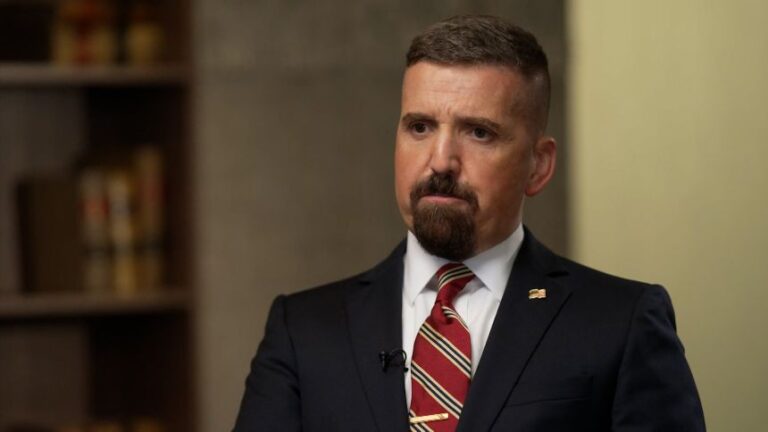
The day after the call with Bovino, Tuesday, January 13, Calhoun-Lopez and four of the other prosecutors in the office resigned to protest what they viewed as unethical, immoral behavior and orders coming from the Trump Justice Department.
In addition to Calhoun-Lopez, resignations also came from the second in command in the office, First Assistant Joe Thompson; Chief of the Criminal Division Harry Jacobs; former Criminal Chief and Counsel to the US Attorney Melinda Williams; and line prosecutor Ruth Shnider.
The blast zone continued beyond those four: At least eight more resignations from the office would follow in the next few weeks, including Deputy Chief of both the Narcotics Division and Indian Country Allen Slaughter Jr. and line prosecutor Dan Bobier.
It was a relatively small and tight-knit office, where news traveled fast. Thompson regularly briefed others on staff on matters of importance, especially after the Good shooting.
In Washington, DC, five senior prosecutors with the Justice Department’s Criminal Section of the Civil Rights Division left as well, the Good case at the very least hastening the exits of a team that had concluded the Trump administration was corrupting the process.
The controversies have extended into this summer. In recent days, ICE agents have fatally shot unarmed migrants in cars in Texas and Maine, and in both cases, the government’s initial accounts of the incidents have been called into question.
In a statement in response to CNN’s questions for this story, White House spokesperson Abigail Jackson said: “The Trump administration remains committed to enforcing federal immigration law and all federal laws. That includes deporting illegal aliens who are unlawfully present in the country, as well as taking action against aliens engaging in fraud schemes and stealing from American taxpayers.”
In a separate statement, a DHS spokesperson called it “shameful” to suggest Border Patrol agents weren’t properly prepared to enforce the law.
“Border Patrol agents are highly trained and required to meet the highest standards of professionalism and law enforcement capability. Many of our agents have backgrounds in the military or local law enforcement and Border Patrol agents receive extensive federal law enforcement training,” the spokesperson said.
A crackdown on fraud
Before last fall, the office of Rosen — who personally was often out of state, back at his home in Miami, Florida or with his girlfriend in New Jersey — had decent relations with the Justice Department, its prosecutors felt.
The number two in the office, First Assistant Thompson, had previously headed the Fraud Unit, which had been working hard on high-profile prosecutions of dozens of people charged with stealing from Covid-era programs intended to help those in need.
The March 2025 conviction of Aimee Bock — founder of Feeding our Future — for masterminding the theft of $250 million from a program for hungry children, was just the latest success in the office’s crackdown on billions of dollars of suspected fraud by dozens of Minnesotans, many of them members of the Somali-American community.
The feedback the office got from the Trump administration DOJ — especially from the office of then-Deputy Attorney General Todd Blanche, as well as Associate Deputy Attorney General Aakash Singh — was quite positive. Officials seemed to like and trust Thompson, who served on the team of special counsel Robert Hur’s investigation into President Joe Biden’s mishandling of classified material.
The partnership between Minnesota and federal authorities was tested in 2025 with two local crimes that shocked the conscience. First, the horrific June shootings of state Rep. and former Minnesota House Speaker Melissa Hortman and her husband, Mark, who were killed, and Minnesota state Sen. John Hoffman and his wife, Yvette, who were wounded. Then, in August, a shooting at Annunciation Catholic School in Minneapolis that resulted in the murders of Fletcher Merkel, 8, and Harper Moyski, 10.
As horrific as the crimes were, the federal and local governments worked well together in the investigations and subsequent prosecution of the Hortmans’ killer, the school shooter having died from a self-inflicted gunshot wound.
Prosecutors had already had to deal with conspiracy theories from the fever swamps in their previous cases, such as the notion that Minnesota’s Democratic Gov. Tim Walz played a role in Hortman’s death.
Minnesota in the spotlight
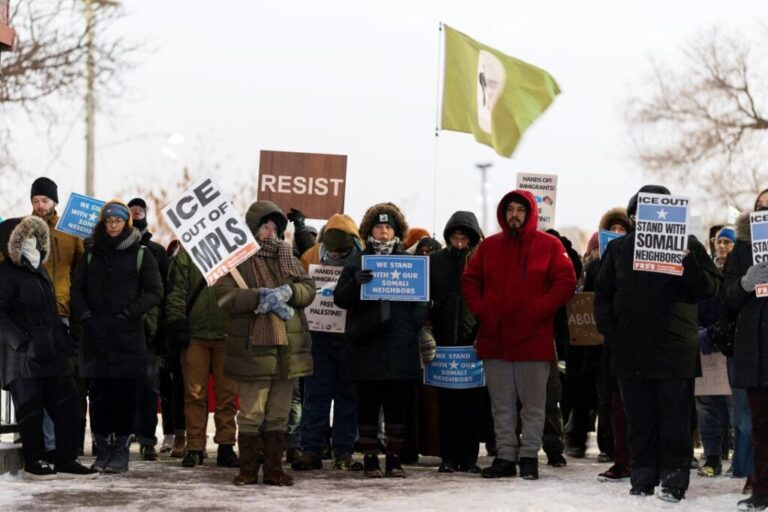
Everything got worse, many of the former prosecutors recall, after conservative influencers started targeting Minnesota on immigration matters.
On November 19, conservatives Christopher Rufo and Ryan Thorpe of the Manhattan Institute, published a City Journal story titled, “The Largest Funder of Al-Shabaab Is the Minnesota Taxpayer,” referring to a terrorist group with ties to al Qaeda.
“There’s no indication that the defendants we charged were radicalized or seeking to fund Al-Shabaab or other terrorist groups,” Thompson told reporters in response to queries. “Some money went to Somalia, indirectly some money might have gotten into the hands of Al-Shabaab, which controls significant parts of Somalia and imposes a tax there.” (Weeks later, a key source for the City Journalstory told the Minneapolis Star Tribune that the story was “bullshit” and said he had been misquoted, though City Journal stood by its reporting.)
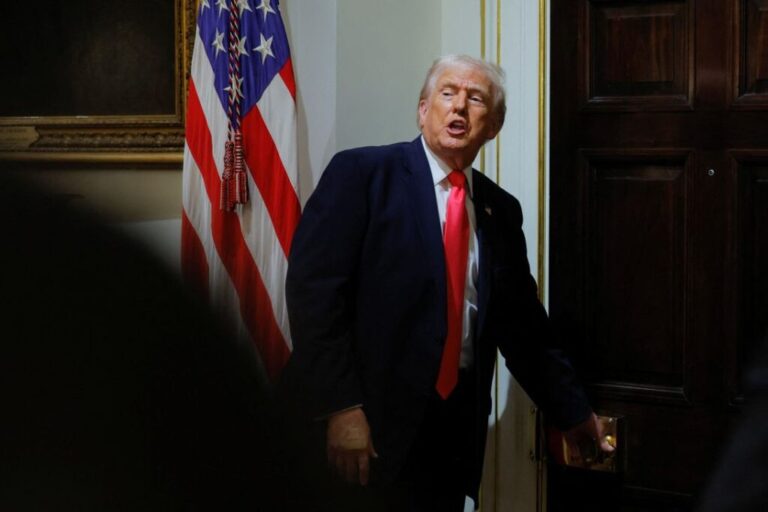
On November 21, President Donald Trump posted on social media that he was “terminating, effective immediately, the Temporary Protected Status (TPS Program) for Somalis in Minnesota. Somali gangs are terrorizing the people of that great State, and BILLIONS of Dollars are missing. Send them back to where they came from.”
Later that day, during the televised portion of his December 2 Cabinet meeting, Trump started talking about “what is happening in Minnesota, the land of a thousand lakes or however many lakes they have, they got a lot of lakes. But this beautiful place, and I see these people ripping it off.”
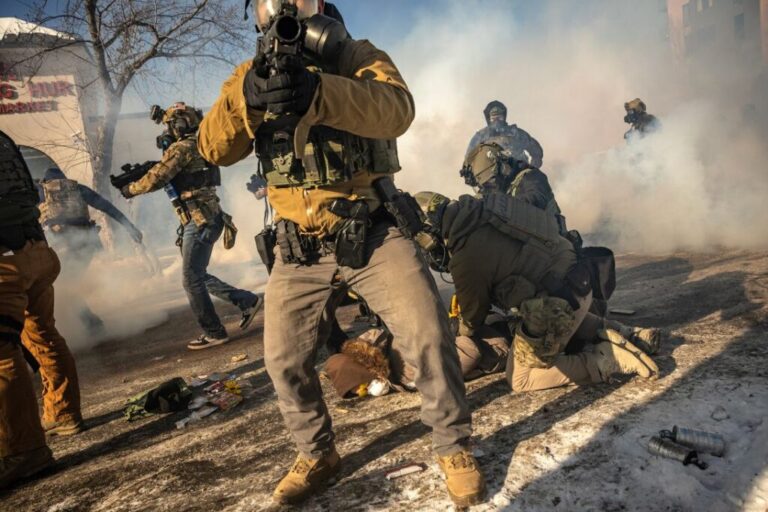
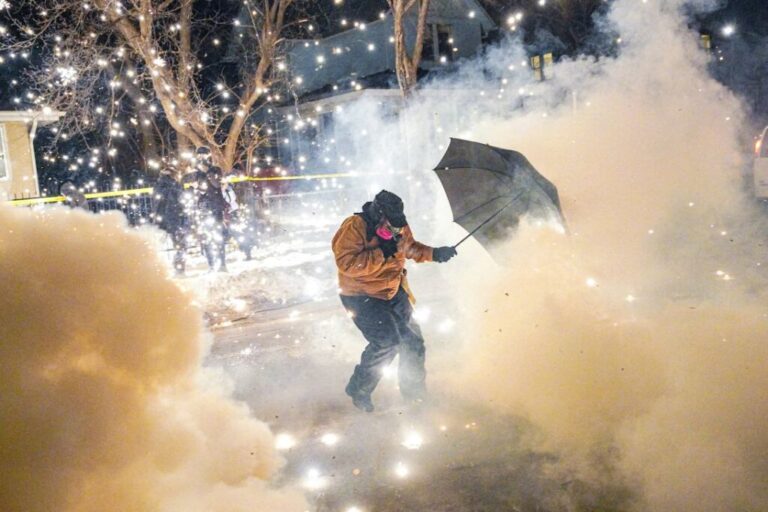
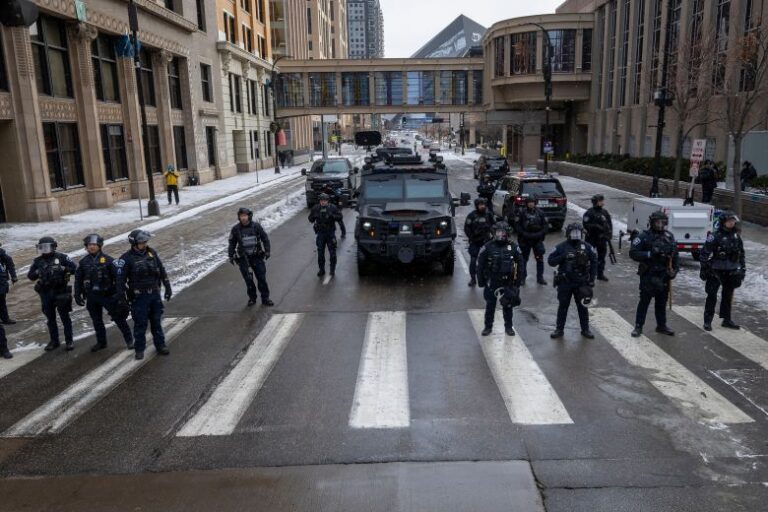
Operation Metro Surge began on December 1 and would ultimately bring more than 3,000 agents to the Twin Cities.
By December 4, DHS was heralding some of “the worst of the worst” criminal undocumented immigrants whom its agents had captured: members of violent gangs, a man convicted of criminal sexual conduct with a minor, individuals convicted of assault, robbery, domestic violence, and more.
But Minnesota citizens also began complaining that the ICE agents sent to Minneapolis were racially profiling local American citizens and behaving in unusually aggressive ways. In early December, video was posted by the Sahan Journal, a local publication for immigrants and communities of color, of agents tackling, cuffing and arresting a man who said he was an American citizen; and by Minnesota Public Radio of agents arresting a citizen observer.
“They were surging thousands of people they didn’t know without any planning,” recalled a prosecutor. “That caused a lot of chaos. It really got terrible. I think they were all trying to manage the White House, Trump’s desire for something.”
Conversations the US attorney’s office prosecutors had with local DHS officials filled them with dread when they heard part of the Trump administration plan was to bring in Border Patrol agents, many of whom had little to no experience working in cities.
“From the beginning, DHS conducted the operation in a paramilitary posture,” Calhoun-Lopez told CNN, referring to ICE and DHS agents who had “no familiarity with Minnesota or its communities … heavily armed and they patrolled in masks and in full combat gear. It had all the appearance and the mentality of a military occupation, and the ethos was they would subdue the state.”
There’s a battle on three fronts as DHS turbocharges its immigration offensive
Prosecutors, warned by HSI agents that Bovino and Border Patrol were going to make matters even worse, tried to stop them from coming, reaching out to Justice Department officials in DC.
Bovino and Border Patrol came anyway for what Bovino said was intended to be a two-day operation that was extended after the shooting of Good.
“Commander Bovino’s public statements doubled down on the agents’ attitude that this was a paramilitary occupation,” Calhoun-Lopez said, “and that the people of the state of Minnesota would be subdued and brought to heel. … The operation spiraled into chaos. Amidst the chaos came the tragic shootings of Renee Good and Alex Pretti.”
Bovino dismissed the idea that his presence inflamed tensions in Minneapolis and other cities where he was deployed. “What had inflamed the tensions had already occurred before we got there. So, if they say that, then they’re disingenuous at best and lying at worst,” he told CNN.
‘He lied multiple times’
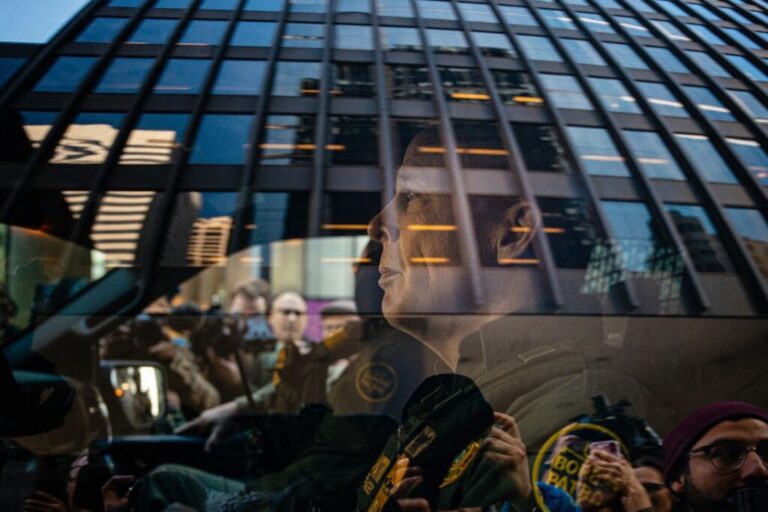
Bovino was already an adjudicated liar. That didn’t seem to matter to the Trump administration.
In November, following a surge of immigration enforcement officers to Chicago for “Operation Midway Blitz” that resulted in a lawsuit against the government for excessive use of force, US District Judge Sara Ellis issued against Bovino, as well as then-Homeland Security Secretary Kristi Noem, then-acting director of ICE Todd Lyons, Commissioner of US Customs and Border Protection Rodney S. Scott and others.
Accusing the defendants of “widespread misrepresentations,” Ellis singled out Bovino by stating “the Court specifically finds his testimony not credible. Bovino appeared evasive over the three days of his deposition, either providing ‘cute’ responses to Plaintiffs’ counsel’s questions or outright lying.” The judge noted that “Bovino admitted in his deposition that he lied multiple times about the events that occurred in Little Village that prompted him to throw tear gas at protesters.”
Weeks after this judgment came down, with ample evidence that Bovino had used and justified excessive force against US citizens and lied under oath about his reasons for doing so, the Trump administration sent him to Minnesota.
‘That didn’t fucking take long’
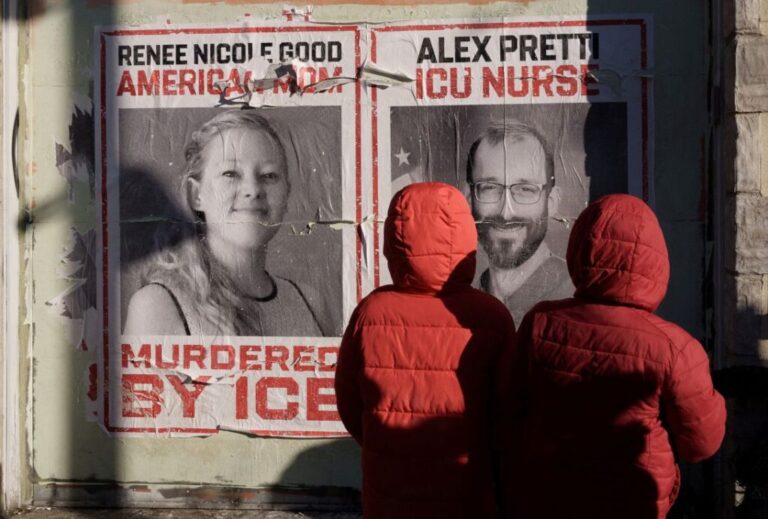
The morning of Wednesday, January 7, prosecutors in the US attorney’s office heard about the shooting along with the rest of the world. Texts, emails, calls came in. The video posted online and became viral, many members of the public outraged.
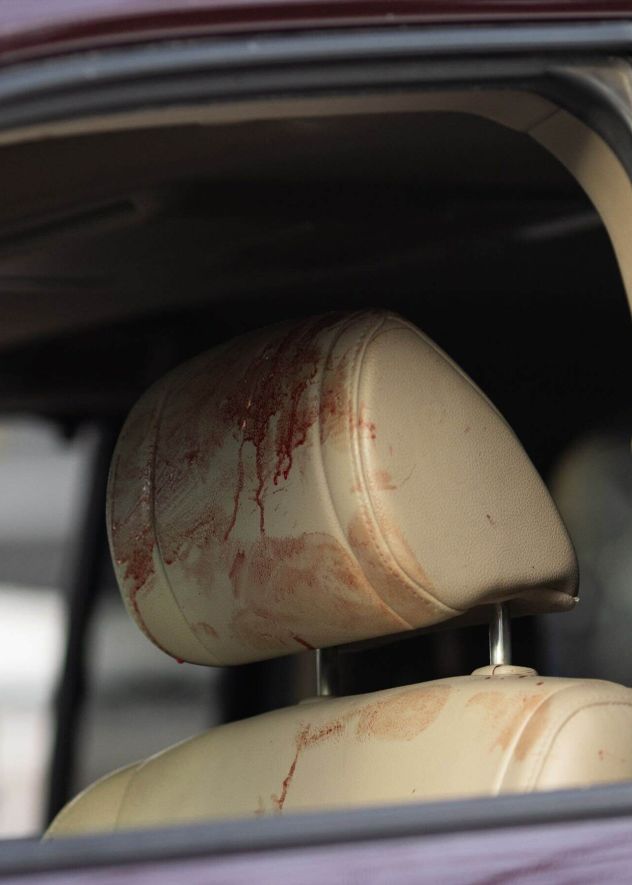
A local woman, Renee Good, had dropped off her 6-year-old son at Southside Family Charter School in south Minneapolis, then she and her wife, Becca Good, went to be “legal observers” of the immigration operations. She was shot in her Honda Pilot on Portland Avenue near 34th Street in south Minneapolis, in the Powderhorn neighborhood. It wasn’t one of Bovino’s Border Patrol agents but an ICE agent named Jonathan Ross who killed Renee Good as she attempted to drive away from him.
“Well that didn’t fucking take long,” one prosecutor said to a colleague.
Based on the videos they’d seen, not one of the prosecutors CNN spoke to thought Ross’s shooting was “clean” and obviously justifiable. Some thought it was criminally prosecutable, particularly since he fired at her from her side window, when he was clearly no longer in the path of the car, and was believed to have been the one who said “fucking bitch” after she was shot.
Others felt that Ross would be able to claim he thought he was under attack so it would be difficult to prosecute — what some call “lawful but awful.”
DHS said a woman attempted to run over ICE officers before being shot in Minneapolis. Here’s what videos show
The prevailing view in the US attorney’s office, sources told CNN, was that Good wasn’t trying to hit Ross and that Ross didn’t need to shoot her. That said, it wasn’t clear cut given that Ross would be able to claim he feared for his life, and those cases against law enforcement officers are difficult to prosecute.
Later, video would emerge of federal officers at the scene refusing to allow someone who claimed to have medical expertise access to Good.
A man on the scene of Renee Good’s crashed car asks agents if he could check for a pulse. He is told no. “I’m a physician,” the man says.
“I don’t care,” responds an agent.
Prosecutors saw that and considered it another potential criminal act.
So they opened a civil rights investigation, which was standard protocol. No one knew where it would land on the continuum of it being deemed justifiable to it being a prosecutable criminal violation of someone’s civil rights. Rosen thought Good had driven her car into the agent, sources told CNN. But he, too, wanted an investigation.
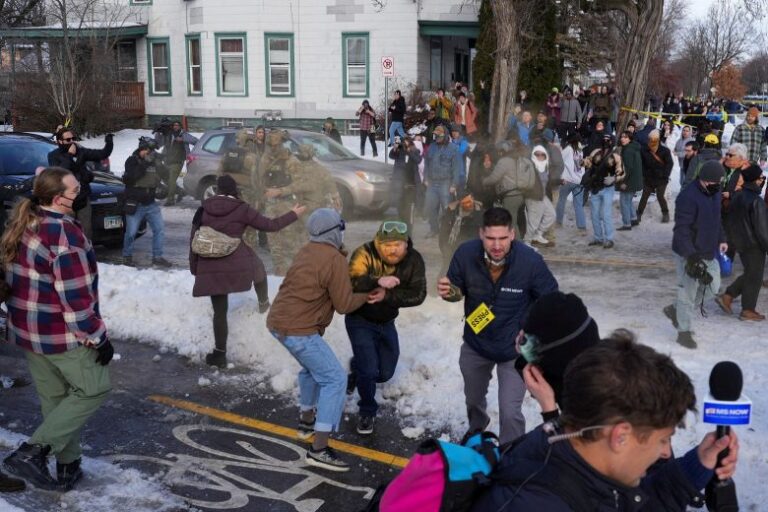
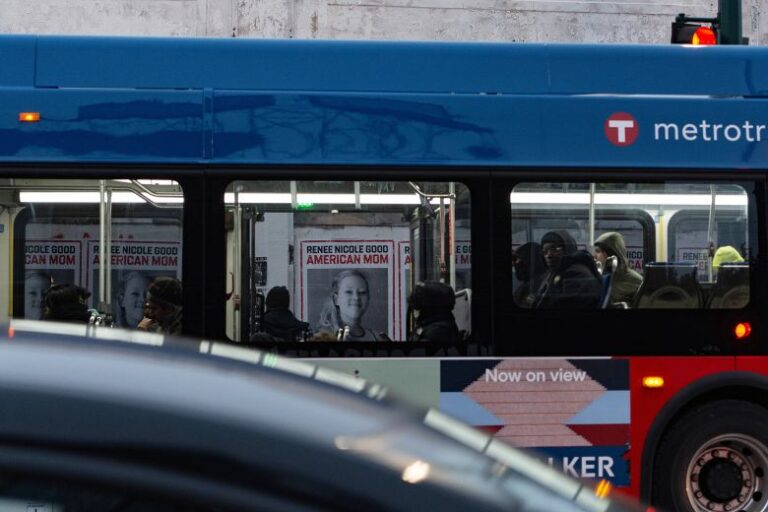
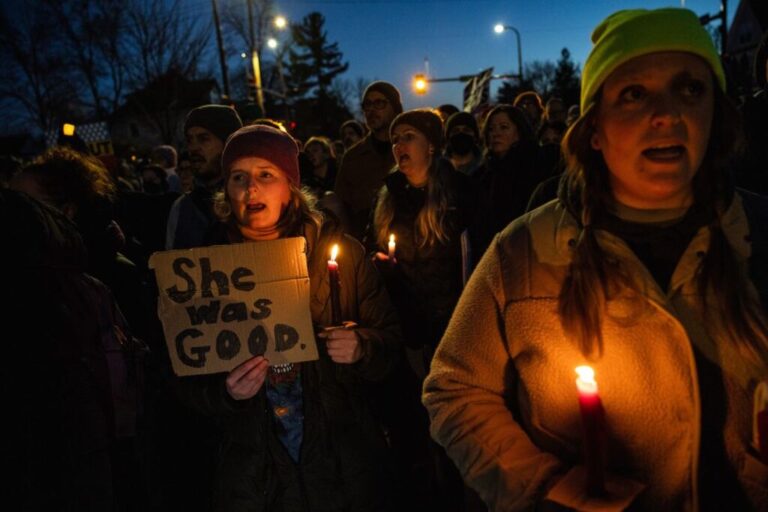
Ever since the police murder of George Floyd and the ensuing unrest in 2020, the US attorney’s office in Minnesota had taken the lead position in coordinating the whole-of-government response. Rosen was in Washington, DC, and would remain there that week. The task of running the response fell in the lap of Thompson, who with his team began coordinating with Mayor Jacob Frey; Walz; Drew Evans, the head of the BCA — the Minnesota Bureau of Criminal Apprehension, which does these kind of investigations at a state level; the FBI; and DHS.
It was decided that the FBI and BCA would jointly investigate the shooting, with the Minneapolis Police handling security at the scene.
“We were worried that the city was going to burn down as it did after the murder of George Floyd,” recalled the second prosecutor.
Then-Minneapolis Police Department Chief Brian O’Hara was at the scene of the shooting, which was reassuring, but soon came word of a dispute, where HSI agents were arguing with MPD officers as to who would control the scene. Thompson feared the presence of ICE and Border Patrol agents, so he told the federal officials at the Whipple Building to call the agents back.
But then everything went wrong.
Not even five hours after Good’s death, Trump took to TruthSocial and made a number of demonstrably false claims about the incident, saying Good was “very disorderly, obstructing and resisting, who then violently, willfully, and viciously ran over the ICE Officer, who seems to have shot her in self defense. Based on the attached clip, it is hard to believe he is alive, but is now recovering in the hospital.”
Almost none of that was accurate.
Similarly, at a news conference, Noem gave a false account, saying law enforcement officials had been attempting to push out a vehicle that was stuck in snow “when a mob of agitators that were harassing them all day began blocking them in, shouting at them and impeding law enforcement operations.” In truth, the stuck vehicle was unrelated to Good’s blocking of the street.
DHS was quick to defend fatal ICE shootings in January. Its statements appear to be changing
“ICE agents repeatedly ordered her to get out of the car and to stop obstructing law enforcement, but she refused to obey their commands,” Noem said. In truth, Good had been getting contradictory information about whether she should move her car or get out of it.
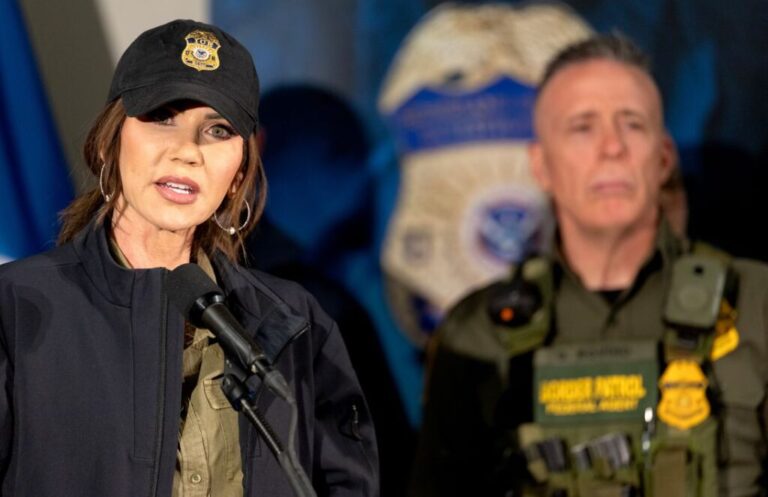
“She then proceeded to weaponize her vehicle and she attempted to run a law enforcement officer over,” Noem said. “This appears as an attempt to kill or to cause bodily harm to agents, an act of domestic terrorism. The ICE officer fearing for his life and the other officers around him and the safety of the public fired defensive shots.”
To prosecutors, it appeared that Good was trying to pull away unaware that Ross was walking in front of her car. Even if Ross had thought she was trying to run him over, a generous interpretation in the view of prosecutors, he fired upon her from the side of the car when he was out of any danger.
Trump’s and Noem’s remarks were unprecedented. There was no evidence that suggested she was a domestic terrorist. The President and the Secretary were essentially ruling the shooting justified before there had been any investigation.
Trump administration officials told CNN that there were two reasons for the aggressive, inaccurate responses from Noem and others in the administration. One, immigration agents on the ground in both written and oral reports were providing false or misleading information to them.
Second, White House officials — led by Deputy Chief of Staff for Policy Stephen Miller — had already been pushing for the administration to more aggressively label protesters “domestic terrorists.”
In the afternoon on the day of the Good shooting, BCA officials were told the plan had changed: The FBI would solely handle the investigation. Local officials would have no access to evidence or interviews or any case materials.
For a brief period, Trump administration officials advocated for the shooting to be investigated internally by DHS; essentially the agency would investigate itself. In the end, officials decided to have the FBI work with DHS to investigate.
The lack of local involvement was a remarkable break from precedent.
The push to have DHS agents off the street was reversed as well.
From the Trump administration’s perspective, any detente was ruined by Democrats, including Walz, who said the shooting was “the consequences of governance designed to generate fear, headlines, and conflict. It’s governing by reality TV. And today that recklessness cost someone their life.”
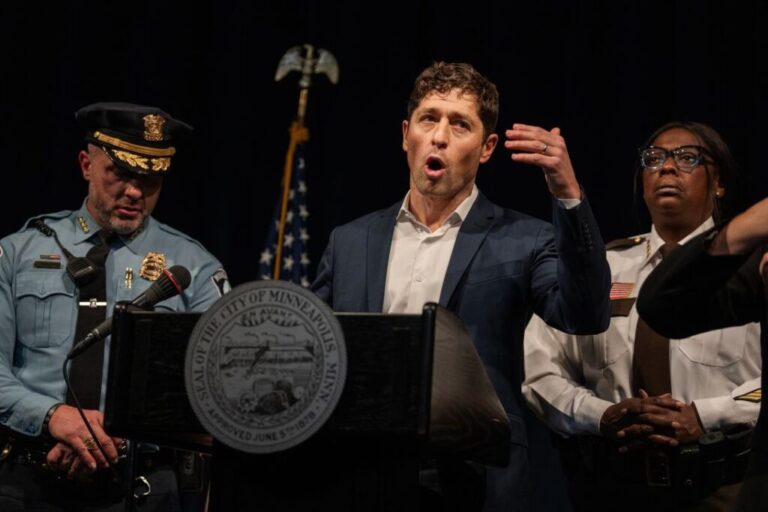
Even less circumspect were the statements of Frey, who said the night of the Good shooting that citizens should “respond right now with our best versions of self” but also weighed in on what happened before any investigation had occurred.
“They are already trying to spin this as an action of self-defense,” Frey said angrily. “Having seen the video myself, I want to tell everybody directly. That is bullshit. This was an agent recklessly using power that resulted in somebody dying, getting killed.”
Angrily, Frey added that while there was little he could say “that’ll make this situation better,” he had a message for ICE: “Get the fuck out of Minneapolis. We do not want you here.”
In the US attorney’s office, staffers grimaced. This wasn’t going to help.
And soon HSI officials called the U.S. attorney’s office and told prosecutors the DHS agents had been ordered back into action.
The message conveyed to them was that they had to go to hockey rinks, they had to go to schools, they had to go to the most hot button places they could possibly go. (The DHS spokesperson denied that immigration agents deliberately targeted schools.)
Investigating the Good shooting
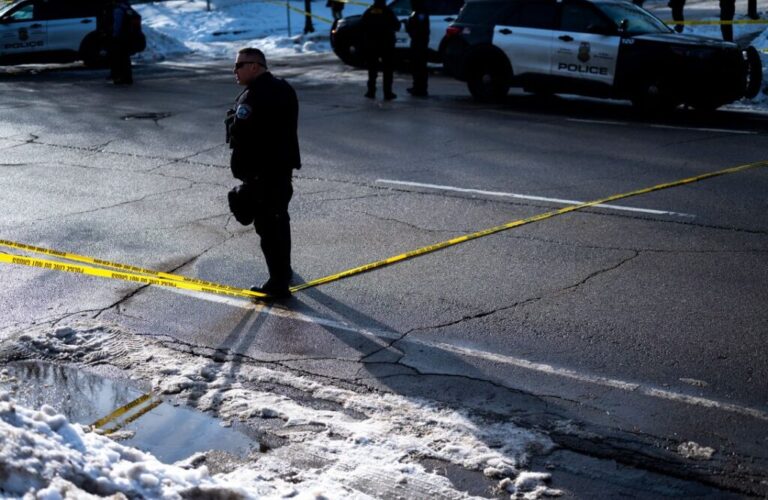
For those few hours, prosecutors held out hope that even in the midst of this chaos, they would be allowed to do their jobs. But that changed after DHS agents were sent back into the street and BCA was prevented from investigating the shooting. The prosecutors began to worry that matters would escalate to the degree that they would likely have to ultimately resign in protest.
Nonetheless, the US attorney’s office moved ahead with standard operating procedure, opening an investigation as to whether Renee Good’s civil rights had been violated — staffing it with career prosecutors such as Ruth Shnider, pursuing search warrants for, say, Good’s car, and beginning the process of identifying witnesses to interview.
Rosen called from DC and wasn’t enthusiastic about the investigation being predicated on Good’s rights being violated. He seemed to want an investigation done, but not with any concept of Good as a victim. Prosecutors ultimately convinced him that from a paperwork perspective, there needed to be a predication.
Sources told CNN that within the Trump administration there has been a debate about whether every time an officer fires his gun in a questionable shooting the federal investigation should be into whether the civil rights of the victim were violated.
From January 8 through January 13, the lead prosecutors in Minnesota found themselves pushing back as the Trump Justice Department — often Singh and others in Blanche’s office, sometimes others in the top levels of the Justice Department and FBI — denied them the ability to conduct a normal investigation. Often the orders would come from top Justice Department officials directly to the prosecutors, and Rosen, either in DC or with his new wife at her home in New Jersey, would call later and relay the same message.
On Thursday the 8th, the prosecutors filed a warrant to search Good’s car to conduct a high-level forensic analysis — looking at blood spatter and bullet trajectories and such. A judge signed off on it, but the FBI just sat on it.
DOJ officials told the prosecutors to claw the warrant back and replace it with a new warrant for an investigation into Good as a domestic terrorist who was guilty of an AFO.
The grounds for the warrant weren’t particularly relevant, the prosecutors tried to explain to DOJ officials and Rosen. Moreover, any judge would surely reject the request and even potentially hold them in contempt since the first warrant had already been signed.
Prosecutors feared that federal officials wanted to seize Good’s car and keep it so they could prevent a state investigation. DOJ denied that suggestion at the time.
To some of the prosecutors, it began to sink in that their future in the U.S. attorney’s office might soon have to end.
Rosen showed up back in the office Monday, January 12. He conveyed that “the marching orders were, ‘We’re going to investigate Renee Good for an assault of a federal officer, and we’re going to take some investigative steps with Good’s wife Becca, as well,’” according to the first prosecutor.
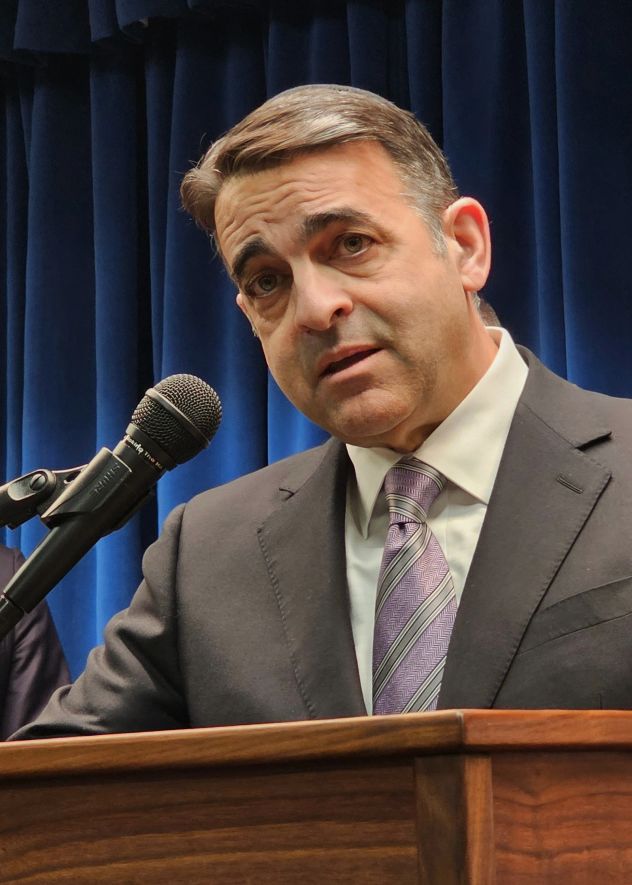
The prosecutors thought this was madness. Not only was there no evidence, it didn’t make much sense to investigate a dead woman who could never be charged with anything.
The Justice Department did not respond to CNN’s request for comment for this story.
The Good family had secured an attorney for a potential civil case against the government. The four top prosecutors working on the case — Thompson, Jacobs, Williams, and Calhoun-Lopez — began discussing with Rosen that maybe they were conflicted out of taking any further action related to the Good case because they might be called to be witnesses in any civil case Good’s family might bring. After all, they’d seen officers lying about what they had been doing in the streets, they knew Bovino and Border Patrol’s presence had even Trump administration officials expressing fears that somebody was going to lose their life, and they were on calls with Bovino where he talked about putting down protests.
Perhaps it was pie in the sky that DOJ would ultimately accept this argument, but it seemed a valid one: Becca Good would obviously sue and have a case that they would all have to testify in. Therefore, the prosecutors argued, they shouldn’t make any more decisions having to do with Becca.
It was also true that they hoped it could help them just quash the craziness for one more day.
Either way, it didn’t get much traction.
That same day was when Bovino demanded a call with the office. The prosecutors weren’t taking up the cases he and his agents were filing regarding protestors putting hands on them.
Those cases had been going to Calhoun-Lopez, who had been predisposed to accept the agents’ testimonies. “I respect good police work,” he told CNN. “I think agents appreciated a prosecutor who understood them, who respected their job. And so, I tended to defend agents if they were in hot water, I stood up for them.”
But starting with Operation Metro Surge, he realized the cases were often built on lies. “It was a shock to me to have agents lying to me. They were telling me that they had been pushed or shoved and I would accept it, and I would assign the case. And then defense lawyers or somebody would show me a video that showed it was not true.”
Beyond the lying of the agents, prosecutors were stunned at some of the shocking physical behaviors of these agents. They had brought to Rosen’s attention videos of agents’ actions that needed further probing, what looked to them like blatant civil rights violations.
Regardless, in Bovino’s previous requested meeting with the U.S. attorney’s office, he tore into them, including his sneering remark about Rosen, who was not on the call, being “one of the chosen people.”
After the call, the prosecutors huddled. To some, it was some of the most shocking old-school bigotry they’d ever heard from a law enforcement official.
“We’ve got to tell Danny right away,” one of the prosecutors said.
Thompson, the acting US attorney for much of 2025, had been encouraged by local officials in Minnesota to apply for the permanent job the year before, though Rosen ultimately had been picked. Many of the prosecutors in the office thought of Rosen as jovial but not willing to take a stand on anything of importance. Prosecutors generally pride themselves on standing up for what’s right. To the prosecutors, Rosen didn’t seem to view the world that way. The prosecutors who worked under him thought that was antithetical to the job.
Still, Rosen seemed to care about issues pertaining to antisemitism.
Prosecutors saw this as Rosen’s opportunity to call the Justice Department, call Bovino out on his apparent antisemitism and get him out of the city.
Rosen didn’t suggest to them that he was going to do that. He agreed what Bovino said was bad but didn’t take any action.
Rosen was worried that the city was such a tinderbox, to inject antisemitism into the mix would only hurt the Jewish community. He would bring up the matter with Justice Department leaders after things had calmed down a bit.
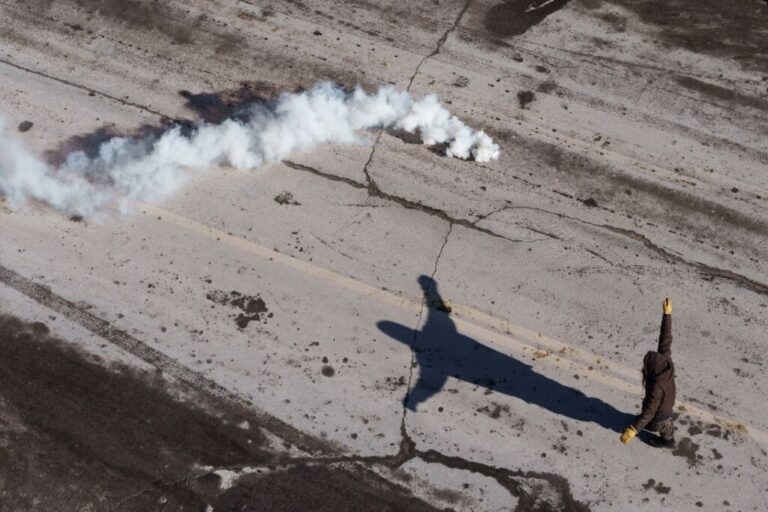
In different meetings throughout that day and Tuesday, January 13, the four top prosecutors pushed back. They wouldn’t change the warrant, and they wouldn’t order investigations of Renee and Becca Good.
It was morally bankrupt, one said.
Well, if you’re not going to do it, find someone who will, Rosen told them.
No, they said.
They resigned.
Jacobs, then Thompson, then Williams, then Calhoun-Lopez. Then Shnider.
More than a half century of prosecutorial service to the country, gone.
They wouldn’t be the last.
On Thursday, January 15, then-Attorney General Pam Bondi went on Sean Hannity’s Fox News show and said “What happened in Minnesota? We had six prosecutors who suddenly decided they didn’t want to support the men and women of ICE!”
“They wanted the taxpayers to pay for them to go on vacation because they decided they didn’t want to support law enforcement,” she said. “So, the breaking news tonight? I fired them all. They are fired from the office.”
“I watched the attorney general on Fox change their resignations to terminations, and rips away their (health care) benefits,” recalls a prosecutor who resigned after the initial five. “These were people who were beloved just a few days before. I realized very quickly that night that this was not the place I needed to be.”
The mission was ‘no more’
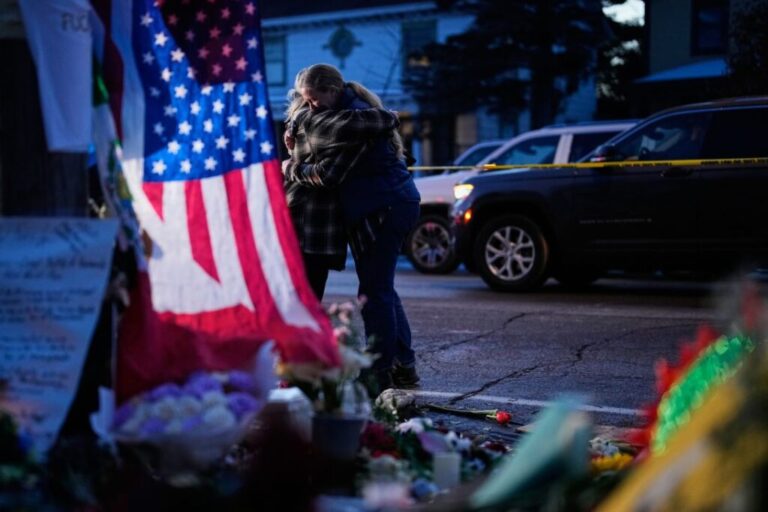
In Washington, DC, the US Justice Department division that prosecutes law enforcement officers for criminal and corrupt acts is the Criminal Section of the Civil Rights Division.
When Renee Good was shot and killed, the chief of the section was Jim Felte. His principal deputy chief was Paige Fitzgerald. Forrest Christian was a deputy chief in the Civil Rights Division, and Mary Hahn was another attorney in the section. Mark Blumberg was special legal counsel.
Following the Justice Department’s actions related to the Good shooting, all five accelerated — or were reassured about — their existing plans to leave the administration.
The Justice Department claimed at the time that “Criminal Section Leadership gave notice to depart the Civil Rights Division and requested to participate in the Department of Justice’s Early Retirement Program well before the events in Minnesota. Any suggestion to the contrary is false.”
That statement isn’t entirely true, nor does it take into account the larger — relevant — context. It is true that before the Good shooting all five had been planning on leaving, and some had begun applying for the early retirement being offered to senior leaders. But that was directly because they were all troubled by what seemed a clear pattern of the Trump administration at the very least ignoring and occasionally purposefully protecting abuses by law enforcement officers.
But for many of them, the mishandling of the Good shooting was, if not the final straw, the final kick out the door.
“I had felt since the summer that we were kind of willfully blind to the misconduct that was happening within DHS’s enforcement efforts,” said Kyle Boynton, a trial attorney in the Criminal Section of the Civil Rights Division who had officially resigned in October but whose last day wasn’t until January 24.
What 74 days of federal operations looked like in Minnesota, frame by frame
Boynton was aware of what was going on at the time, and he notes that two shocking actions by Justice Department superiors had already upended decades of precedent and caused the five prosecutors to consider leaving the Justice Department.
First: The July 2025 intervention by Trump DOJ appointee Robert Keenan to help former Louisville police detective Brett Hankison, prosecuted and convicted in November 2024 of violating the civil rights of Breonna Taylor for his role in firing into her apartment. Keenan — joined by none of the career prosecutors from the Criminal Section of the Civil Rights Division — pushed for Hankison to only receive one day in prison, which he’d already served. FBI agents in court opted to sit with Breonna Taylor’s mother Tamika Palmer instead of with Keenan. That move by Keenan “leveled” the career prosecutors, sources told CNN.
A judge overruled Keenan and sentenced Hankison to 33 months in prison.
Second: In November, just days before the trials of former Lawrence County, Tennessee, law enforcement officers Zach Ferguson and Eric Caperton, who were charged with beating a 61-year-old man and attempting to cover it up, Keenan ordered that a motion be filed to dismiss the case. The counsel of record was not willing to file the motion, so Blumberg did it to protect the attorney.
Then came the death of Renee Good.
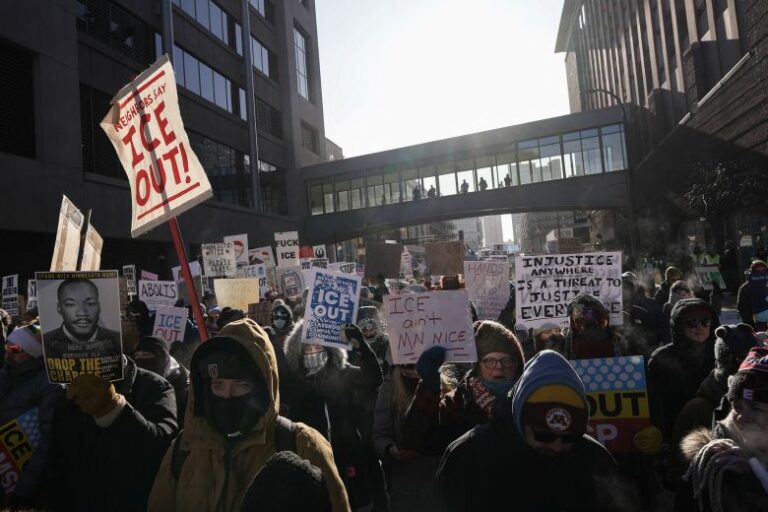
It quickly became apparent to the prosecutors that the Criminal Section would not be allowed to investigate the shooting, which was confirmed a few days later when Blanche announced that there was “currently no basis for a criminal civil rights investigation.” Associate Attorney General Stanley Woodward, the Number 3 official in the department and a man who had served as senior counselor to Trump, seemed to be directly involved in the decision. Woodward was perceived within the department to generally oppose the prosecution of police officers.
They all soon left. Felte, Fitzgerald, Christian, Hahn and Blumberg. Among the five of them were more than 100 years of experience in the Criminal Section of the Civil Rights Division through multiple administrations, including Trump’s first.
They did not go public for various reasons, and they did so on different timelines, and with nuances, and complicated reasons. Generally speaking, they didn’t want to prompt a backlash by the Trump administration against those who remained, who continued to try to prosecute these cases. They didn’t want to seem all high and mighty, insulting those who stayed behind. They didn’t want a public fight.
But their concerns were real: Hankison, then Ferguson and Caperton, and finally Good.
The Trump administration “politicized the work of the Criminal Section. Administration after administration after administration understood the value and importance of having career people making the important case related decision on some of the most important — and sometimes divisive — cases that define our fundamental beliefs about equality and due process,” said a section attorney. “That’s the big picture. They unilaterally broke the contract that we had with the public.”
Boynton, who served as a police officer in Charlottesville, Virginia, and an FBI agent for eight years, called the Justice Department’s actions “a significant step backwards for police accountability.”
“The decision not to take any action after Renee Good was a sign that that aspect, that part of the mission of the criminal section was no more; that it had been jettisoned,” Boynton said.
The DoorDash driver
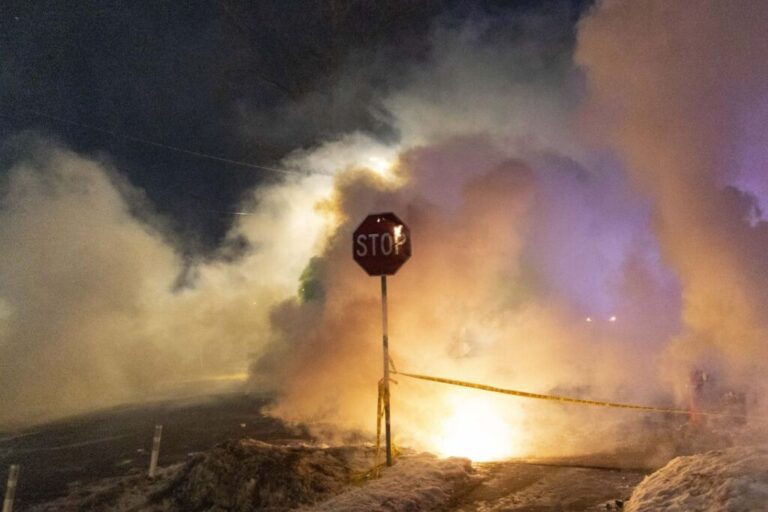
On Wednesday evening, January 14, ICE agent Christian Castro was pursuing DoorDash driver Alfredo Alejandro Aljorna through Minneapolis.
Aljorna, a Venezuelan national in the country illegally, attempted to flee by car and then, after crashing his vehicle due to the icy street, by foot, according to his attorney.
Castro grabbed Aljorna, who shed his jacket and continued to run away from him, terrified for his life, he later said, because of the Good killing.
Aljorna tried to get into the apartment of his cousin Julio Cesar Sosa-Celis. Castro fired his gun at both men, hitting Sosa-Celis in the leg.
The ICE officer claimed that the two men, and a third, had attacked him and beat him with a broom and a shovel.
“DHS Releases More Details About the Three Violent Criminal Illegal Aliens Who Violently Beat a Law Enforcement Officer with Weapons,” proclaimed the DHS news release the next day, describing the “three criminal illegal aliens who violently assaulted law enforcement with a shovel and broom handle in an attempt to evade arrest and obstruct law enforcement yesterday in Minneapolis, Minnesota.”
The news release claimed that it was Sosa-Celis whom ICE had originally been pursuing and Sosa-Celis whom Castro tackled when “two subjects came out of a nearby apartment and attacked the law enforcement officer with a snow shovel and broom handle.”
Noem decried the men for “an attempted murder of federal law enforcement. Our officer was ambushed and attacked by three individuals who beat him with snow shovels and the handles of brooms. Fearing for his life, the officer fired a defensive shot.”
The now-former prosecutors watched the case with interest. From experience they had seen so many agents lying. Over and over.
Given the astonishing rate of false testimony in prior cases, the office had decided to raise the standards to bring charges. “We wanted bodycam and cell phone footage and everything else just to make a real charging decision,” the first prosecutor said.
That was the case here, too.
Witness testimony and surveillance video showed no such attack had happened. In February, Rosen was forced to file a brief to dismiss with prejudice its complaint against Sosa-Celis and Aljorna. “Newly discovered evidence in this matter is materially inconsistent with the allegations in the Complaint Affidavit,” Rosen wrote. Castro would ultimately be charged with four counts of second-degree assault and one count of falsely reporting a crime.
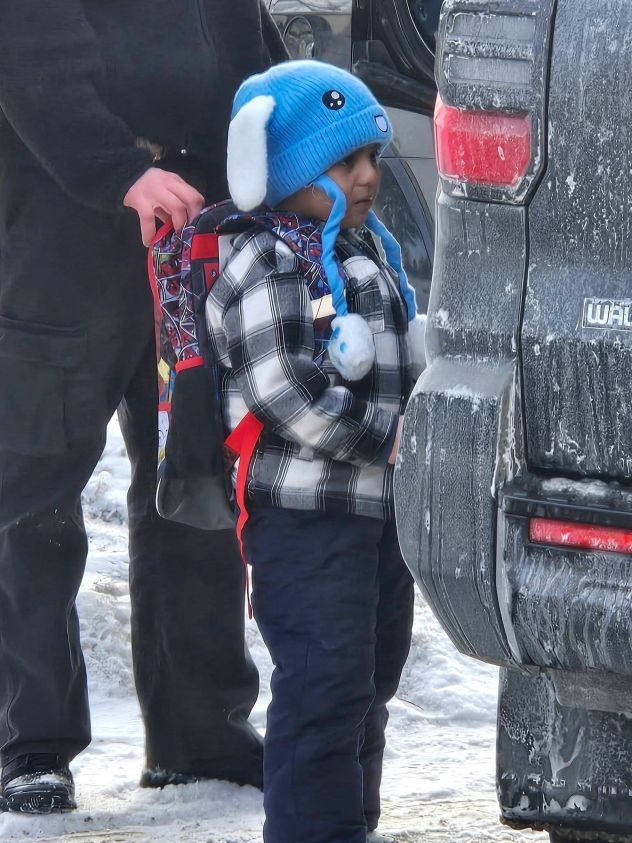
On January 20, ICE agents placed in custody Liam Conejo Ramos, who was 5 years old, as they arrested his father. Both of them had entered the country legally and had active asylum claims.
With his blue knit bunny hat and spiderman backpack, the boy instantly became a symbol of Trump administration excesses and heartlessness.
Multiple adults had offered to take Liam into custody, but ICE agents claimed he had been abandoned, a statement contradicted by many witnesses. The five-year-old was held with his father in custody in Texas until the next month, when a judge ordered him back to Minnesota.
The VA nurse
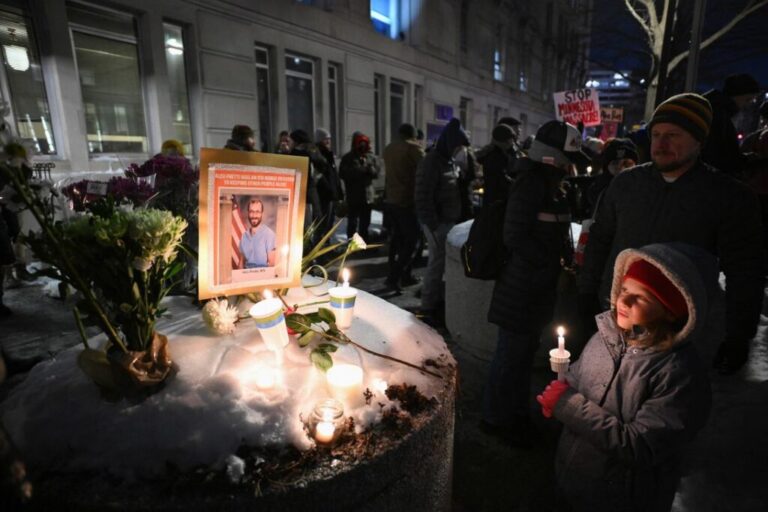
The Trump administration’s lies and bellicosity had been going on for almost two full months when, on Saturday, January 24, Border Patrol agent Jesus Ochoa and Customs and Border Protection officer Raymundo Gutierrez shot Alex Pretti, a Department of Veterans Affairs intensive care nurse, at least 10 times, killing him on Nicollet Avenue in Minneapolis.
Eleven days earlier, Pretti had been involved in a confrontation with immigration agents and was seen on video kicking the taillight of a federal vehicle.
On this Saturday, he was filming agents with his phone as a clash between immigration agents and observers escalated, and Pretti stepped in front of an agent who had just shoved a woman.
The agents sprayed him with pepper spray and wrestled him to the ground. He had a concealed weapon permit, and a firearm, but his gun was holstered and had been taken from him by immigration enforcement agents before they fired their first shot at him. He was surrounded by six agents. He didn’t resist arrest at all or behave violently.
The script was now set.
On social media, White House aide Stephen Miller called Pretti a “would-be assassin” who “tried to murder federal law enforcement.”
There was no evidence of that. None.
Noem’s description of the events didn’t remotely line up; she accused Pretti of “violence against a government because of ideological reasons and for reasons to resist and perpetuate violence.” She said “that is the definition of domestic terrorism.”
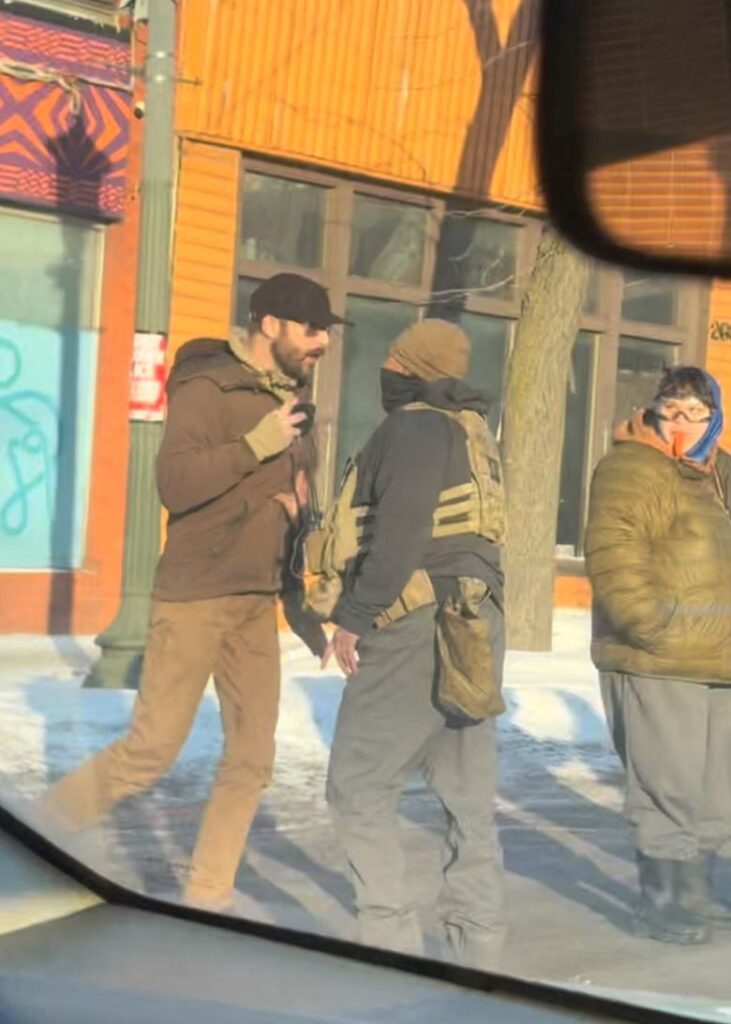
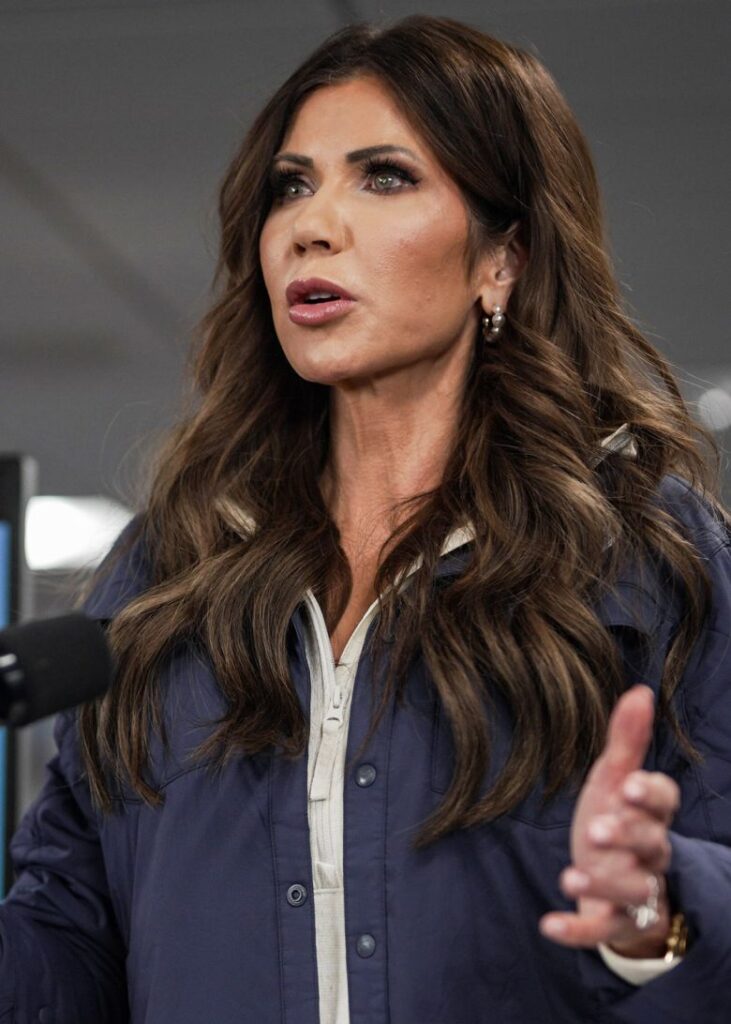
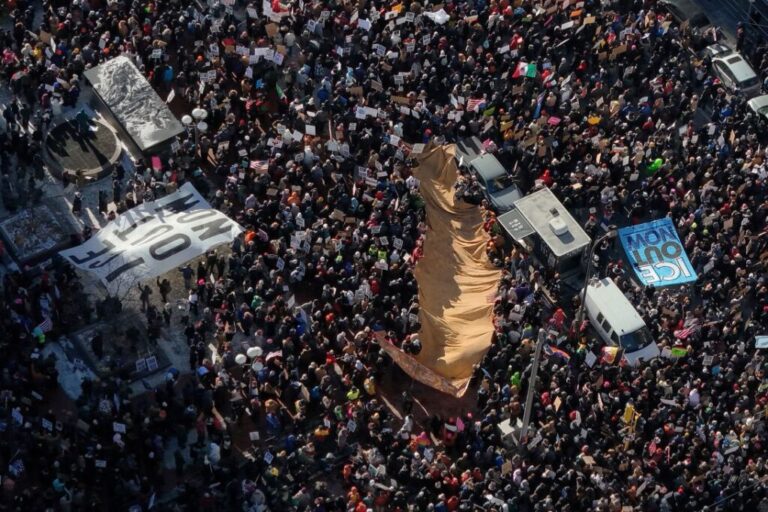
There is no evidence that Pretti was a domestic terrorist. Noem specifically, falsely accused Pretti of having been “brandishing a weapon.”
She had gotten that information from agents on the ground, sources told CNN. They were lying. So she repeated their lies.
A spokesperson for Noem did not respond to CNN’s request for comment.
The shooting of Pretti was widely seen by prosecutors as “bad.”
Prosecutors saw the case as a slam dunk.
The Justice Department says the shooting is still being investigated jointly by DHS and the FBI. But the fact that no charges have been filed in six months is seen by the former prosecutors as outrageous.
“It was an execution,” a third prosecutor told CNN. “It was a summary execution. And it is that simple.”
State investigators and officials were prohibited from the crime scene.
It was more than two weeks later, February 13, when the FBI told BCA they would not have any access to the evidence from that shooting as well.
The state sued, but it wasn’t until a few days ago that the Hennepin County Attorney said she had managed to secure evidence for a local investigation.
To Calhoun-Lopez, the administration’s lies were the through line for the entire tragic saga.
“I think when a government abandons its commitment to the truth,” he said, “that breeds lawlessness and lawlessness necessarily leads to chaos.”
Read more Supreme Court faces scrutiny over potential ‘loopholes’ in prediction markets policy
CNN’s Priscilla Alvarez and Evan Perez contributed to this report.