 By admin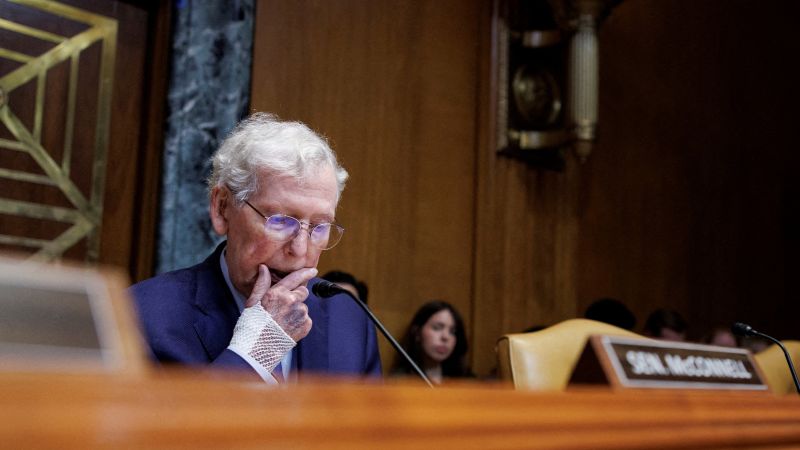
There was a national reckoning after the 2024 presidential campaign about federal officials — Joe Biden and his White House, specifically — hiding important health information from the public.
Read more Justice Department reaches another settlement with Trump adviser Michael Flynn
But the hiding hasn’t stopped. If anything, it appears to be getting worse.
Increasingly, some very high-profile public officials seem to have concluded that constituents and the broader public simply aren’t entitled to basic information explaining lengthy absences from their jobs. And their staffs are enabling them.
Republican Rep. Tom Kean of New Jersey recently returned to the House after spending more than 100 days away with no explanation at the time, ultimately citing depression. Now, questions are building about the also-mysterious and now-weekslong absence of GOP Sen. Mitch McConnell of Kentucky.
The former Senate majority leader has been missing from the chamber since being hospitalized on June 14. But his office has repeatedly declined to say why he was hospitalized, including when reached by CNN on Tuesday.
“Senator McConnell appreciates the outpouring of support he’s receiving while he continues his recovery in the hospital,” his office said, reissuing the same statement it first shared last week. “The senator continues to improve and is working closely with his staff on Kentucky and Senate matters while the Senate is out of session.”
Beyond that, the details are slim. An independent reporter shared EMS audio of a “cardiac arrest” at McConnell’s Washington, DC, home on the day he was hospitalized. The audio cited someone being unconscious.
But McConnell’s office hasn’t even verified whether that call involved the 84-year-old, who has dealt with public health episodes including freezing in front of reporters.
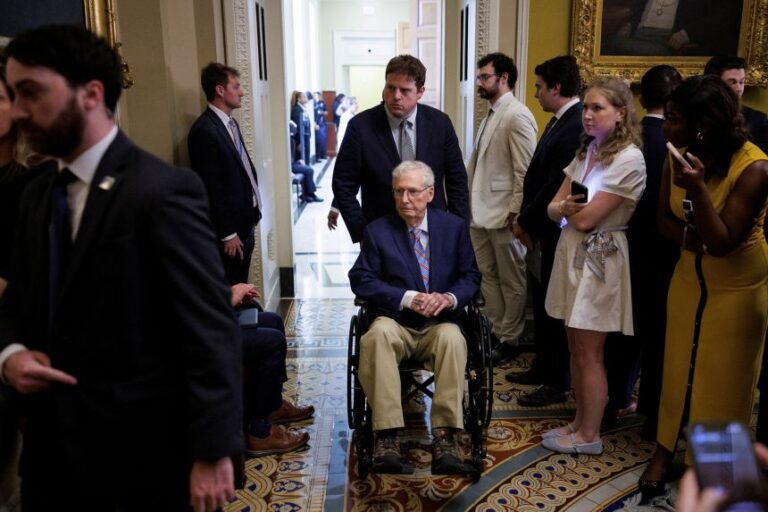
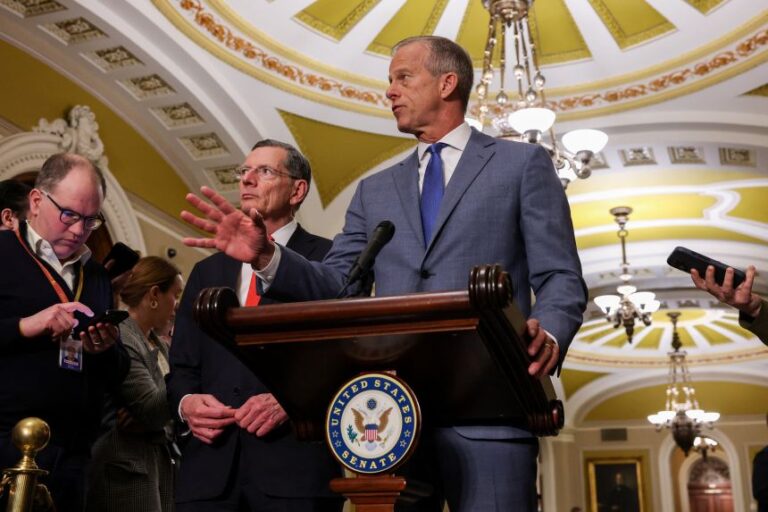
Senate Majority Leader John Thune said on June 15 that he had spoken to McConnell and was “hopeful that he’ll be back this week.” But three weeks later, that still hasn’t happened, nor has McConnell’s office explained why.
That’s led even some prominent MAGA figures to cry foul and demand more disclosure, while others traffic in conspiracy theories.
Apparently some of McConnell’s colleagues are even in the dark. While responding early Tuesday to a critic who wondered why senators weren’t speaking out about what ailed McConnell, GOP Sen. Mike Lee of Utah said that was “because we know nothing about his condition.”
Thune and Senate Whip John Barrasso issued separate statements via spokespeople on Tuesday that they both spoke with the Kentuckian on the phone this weekand had “substantive” and “lengthy” conversations. Neither addressed his health status.
And a McConnell ally, CNN senior political commentator Scott Jennings, posted on X on Tuesday that he also spoke with the senator that day about various topics. He didn’t say anything about McConnell’s health, either.
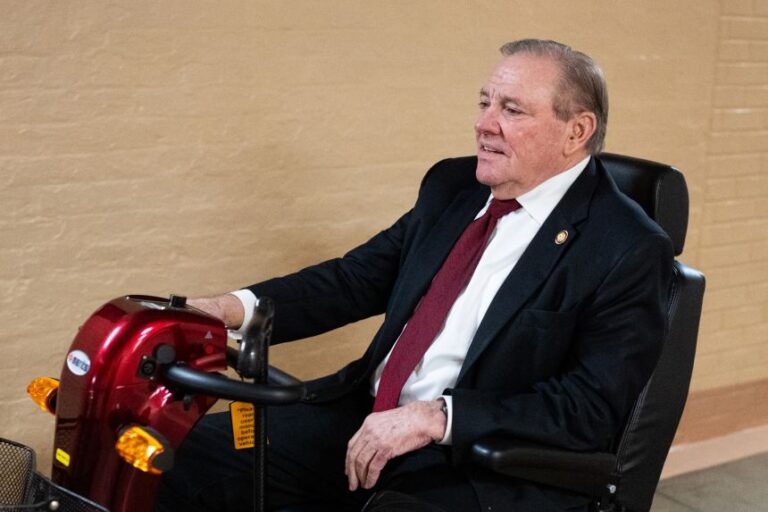
Before Kean and McConnell, there was the case of GOP Rep. Neal Dunn of Florida.
While Dunn hadn’t been absent long term, rumors circulated about a serious health condition. Then Trump at a March White House event said Dunn had faced a “terminal” condition and that he would have been “dead by June” before the president intervened to help him get a procedure involving stents.
“OK, that wasn’t public,” House Speaker Mike Johnson said at the time, sitting at Trump’s side. “But yeah, OK. It was grim.”
Read more Judge quashes Justice Department subpoena for information about 2020 election workers in Georgia
Dunn acknowledged receiving help from Trump but declined to elaborate on his condition. Like McConnell, he has now been missing from Congress since mid-June, with his office declining to comment to local reporters.
Similarly, we learned in December 2024 that then-Texas GOP Rep. Kay Granger’s monthslong absence before her retirement was largely spent at a local memory care and assisted-living home, dealing with what her son described as dementia — none of which Granger’s office disclosed.
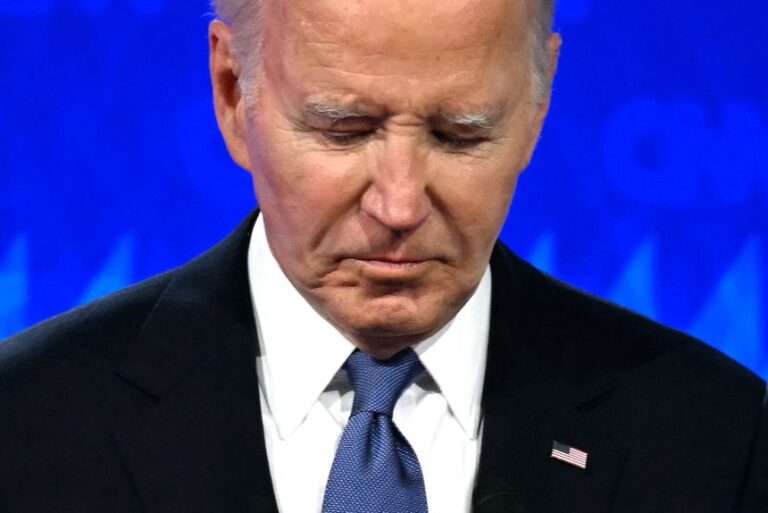
Months before that, it was Biden’s decision to hide his increasing health problems and run for reelection — as documented extensively by CNN’s Jake Tapper and Axios’ Alex Thompson in their book “Original Sin” — that blew up the 2024 presidential race.
Former first lady Jill Biden recently said she worried he was having a stroke during his disastrous debate performance, even though she defended it at the time.
Throughout his time in politics, now-President Donald Trump has been opaque about his own health:
- His doctors often issue hyperbolic letters featuring frankly unbelievable claims about his supposedly pristine health. (The doctor who wrote one of them a decade ago has said the letter was dictated by Trump.)
- He at one point appeared to hide his use of a hair-loss drug.
- The White House last year ultimately disclosed Trump had a vein condition after people noticed his swollen legs.
- And later in the year, the White House was remarkably slow to explain why Trump had additional medical imaging, with the president at one point saying he didn’t even know what part of his body was scanned.
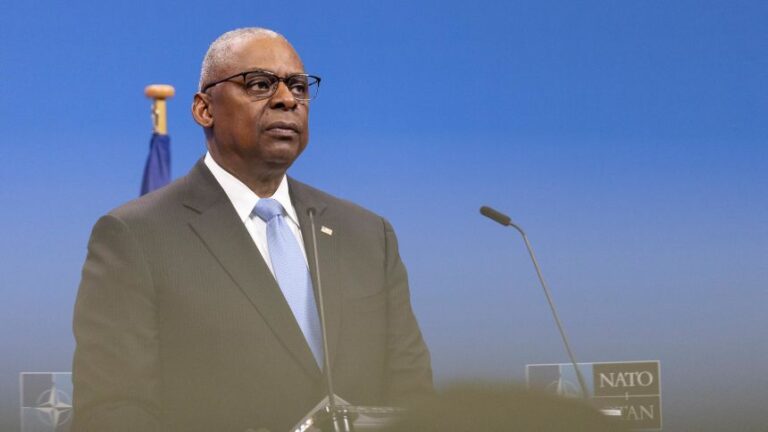
And in late 2023 and early 2024, then-Defense Secretary Lloyd Austin’s unexplained absences — which were later explained as undergoing treatments for prostate cancer — created increased risks to national security, per the Pentagon’s watchdog. Austin’s absences were even kept secret from White House and top national security officials for days.
Austin later explained in testimony to Congress that he was “a pretty private guy” and suggested he didn’t fully appreciate the need to keep people apprised of his health.
“But I’ve learned from this experience, taking this kind of job means losing some of the privacy that most of us expect,” he said. “The American people have a right to know if their leaders are facing health challenges that might affect their ability to perform their duties even temporarily.”
And that gets at the tension here. Nobody wants their health information to be publicly aired. But holding a government office means fitness for the job is very much the public’s business. The taxpayers pay that salary, after all, and are tasked with deciding whether a person deserves that job.
When people can’t perform their duties in a normal job, they usually need to tell their bosses why. And, technically speaking, a government official’s boss is the voters.
Even as Austin uttered those words and the Biden administration dealt with the fallout of his unexplained absences, of course, the head of the very same administration was hiding his own conditions. He did so at a significant cost to his party and in ways that might have rewritten American history.
But that apparently hasn’t dissuaded others from deciding their health status is none of the public’s business.
Read more Trump admin reimposes oil sanctions after Iran strikes ships near Strait of Hormuz