 By admin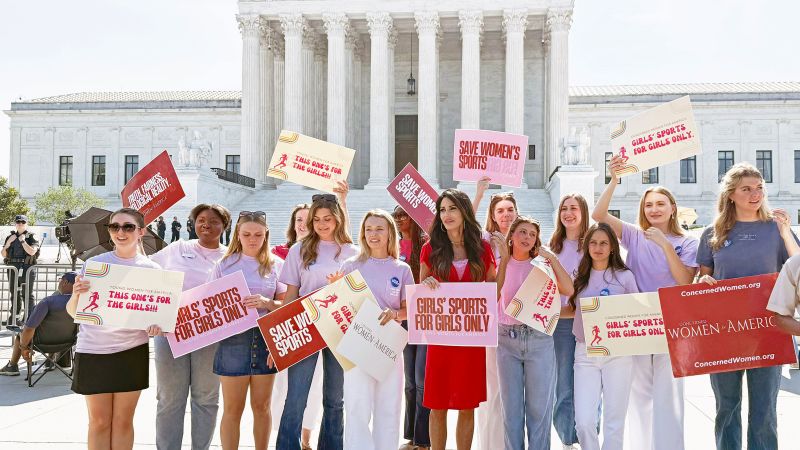
In 2020, when the Supreme Court declared that transgender workers were covered by federal anti-discrimination law, the opinion authored by Justice Neil Gorsuch marked a legal breakthrough.
Read more Paul Pelosi involved in hit and run in California and could face charges, authorities say
The case extended Title VII of the 1964 Civil Rights Act to gay and lesbian workers as well transgender employees. Gorsuch, who uses a textualist method, wrote that the law barring discrimination “because of … sex” covered a transgender woman who was fired from her position at a Michigan funeral home.
The decision was a surprise at many levels, including that it was written by President Donald Trump’s first appointee to the court. Gorsuch was joined by conservative Justice John Roberts and the then-four liberal justices. That outcome was so resisted by right-wing interests that when Gorsuch’s vote leaked to some news media months before the decision was issued, conservative editorial writers tried to pressure Gorsuch to reconsider.
Yet the ruling did not mark a revolution for trans rights. The changing court and politics ensured that.
Last Tuesday’s 6-3 Supreme Court decision upholding state laws that forbid trans women from playing on female sports teams reflects the national trend since 2020 and the justices’ reinforcement of the pattern.

Supreme Court upholds transgender sports bans: What to know and what’s next
Last year, the same 6-3 court let states block certain medical care for trans youth. In recent months, the court has also permitted Trump to dismiss transgender servicemembers from the military and allowed the administration to require the sex designation on US passports align with an individual’s biological sex.
“Law is being used to scapegoat transgender people,” said Columbia University law professor Suzanne Goldberg, who has worked on LGBTQ issues since the 1990s. “We can see it in restrictions that cordon off transgender people from almost every area of civic life, in schools, in getting a passport, from serving in the military, in getting healthcare.”
Transgender individuals make up about 1% of the US population, but they have become an outsized target on the political scene and as a subject of state litigation. Trump ran against trans and LGBTQ interests in his 2024 campaign. Republican backers put up a campaign ad denouncing Vice President Kamala Harris for liberal LGBTQ attitudes that closed with, “Kamala is for they/them. President Trump is for you.”
States anti-trans laws have multiplied. Over the past six years, that prohibit transgender women from participating in women’s sports.
From the bench and in his opinion for the majority, Justice Brett Kavanaugh emphasized concerns of safety and unfair competition, after referring to “the undisputed proposition that biological males generally possess inherent physical advantages in sports.”
That message regarding safety was adopted by some beyond the court who praised the new ruling. First lady Melania Trump said in a social media post on X, “As many of you know, I fully support the LGBTQIA+ community. But we must also ensure that our female athletes are protected and respected.”
Recent Supreme Court cases involving young people have exacerbated the strains among justices. As Kavanaugh spoke of girls training hard and savoring their accomplishments, dissenting Justice Sonia Sotomayor lamented the trans girls denied a similar competitive experience.
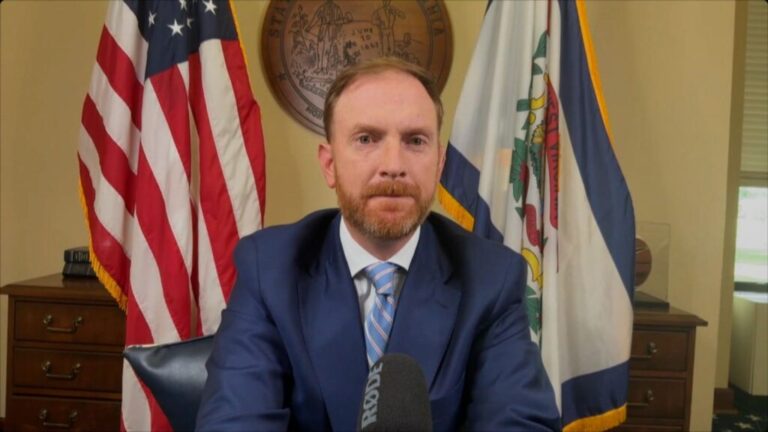
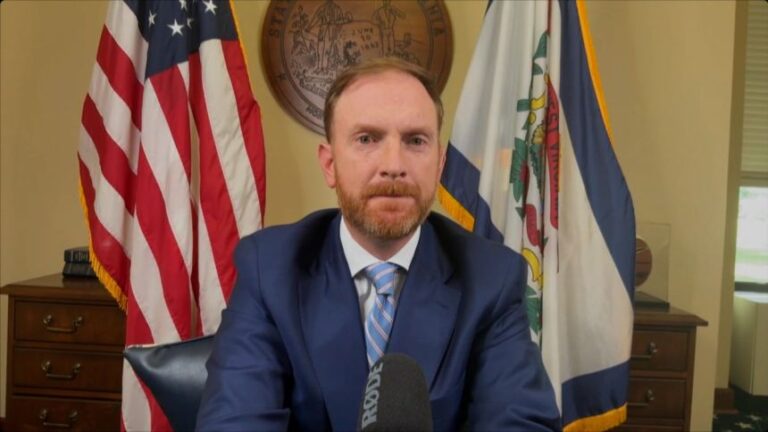
The majority overturned lower court decisions that had favored trans interests. The majority said the specific bans from West Virginia and Idaho violated neither Title IX of federal education law nor the Constitution’s equality guarantee. All nine justices generally agreed on the first Title IX judgment but divided on the important constitutional question.
“Separate sports teams for biological males and biological females are reasonable,” . “Given the inherent physical differences between the sexes, allowing only biological females to play on women’s and girls’ teams can reduce the risk of physical injury and ensure fair competition.”
Everything’s changed since 2020
In 2020, people on both sides of the issue had touted the possibility that Bostock’s force would extend to other areas of the law but its sails have been trimmed.
The composition of the Supreme Court has evolved, as the late liberal Justice Ruth Bader Ginsburg was succeeded by conservative Amy Coney Barrett in October 2020.
Public attitudes have changed, too. The most recent Pew Research study of trans issues, published last year, found the majority of Americans support restrictions on trans people – and that such support for restrictions has been increasing. Most of the survey respondents (66%) favored requiring trans athlete to compete on teams that match their sex assigned at birth, and most (56%) supported laws banning health care professionals from providing care related to gender transitions for minors.
Read more Skip a trip to the ER while celebrating the Fourth of July
How the Supreme Court expanded Trump’s power
The court has also spurned arguments that would extend the anti-discrimination principles of the Bostock decision to new Trump administration policies, for example, on the passport rules.
Although challengers continually invoke Bostock for trans rights beyond the employment sphere, the current majority has shown no interest in taking the case further.
Last year, when the court majority upheld state bans on puberty blockers, hormones and other such gender-transition treatments, Roberts cited states’ interest in safeguarding medical care for teens and children and said the court didn’t need to consider if Bostock applied “beyond the Title VII context.”
“This case carries with it the weight of fierce scientific and policy debates about the safety, efficacy, and propriety of medical treatments in an evolving field,” Roberts concluded in the Tennessee dispute of “… (W)e leave questions regarding its policy to the people, their elected representatives, and the democratic process.”
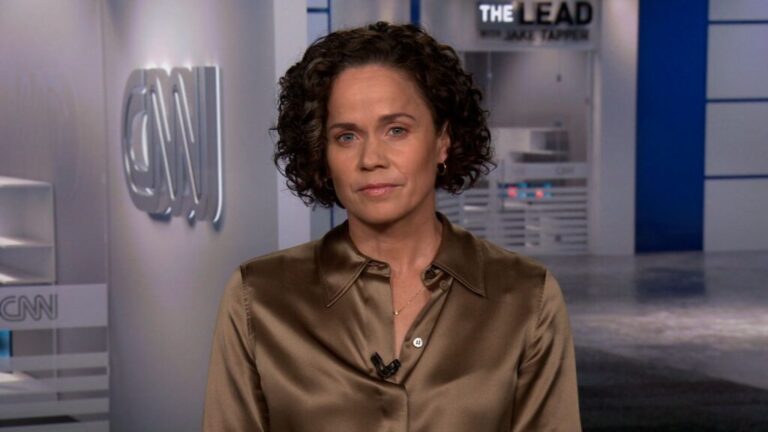

Gorsuch has also shown no public desire to expand his landmark decision from six years ago.
Last Tuesday, Gorsuch wrote separately to emphasize that the new ruling in West Virginia v. BPJ, which he joined, did not conflict with the Bostock.
“(I)t is a mistake to assume that, just because firing someone in part because of his biological sex amounts to unlawful discrimination in violation of Title VII,” Gorsuch said, “Sponsoring a single-sex sports team limited to biological women or girls must also amount to unlawful discrimination in violation of Title IX.”
Looking ahead
Trump’s executive order banning trans women’s participation in women’s sports – signed soon after he returned to the White House – also hung in the backdrop of last Tuesday’s case. The US solicitor general’s office, which sided with West Virginia and Idaho, told the court at start of its written filing that the Trump administration opposes “male competitive participation in women’s sports … as a matter of safety, fairness, dignity, and truth.”
The US solicitor general argued in its brief that those state laws put trans athletes “on the same valid, biology-based terms as everyone else. That is the definition of equal treatment. It is not gender-identity discrimination at all, much less sex discrimination.”
The cases were brought by Lindsay Hecox, a Boise State University senior who competed for women’s soccer and track teams, and by Becky Pepper-Jackson, seeking to participate on middle school and high school track teams in West Virginia.
Sotomayor noted in her dissent that Becky Pepper-Jackson says she lacks the usual athletic advantage of boys because she received early medical treatments to prevent the experience of male puberty. Sotomayor, joined by fellow liberal Justices Elena Kagan and Ketanji Brown Jackson, wanted the West Virginia dispute sent back to a US district court for further fact-finding.
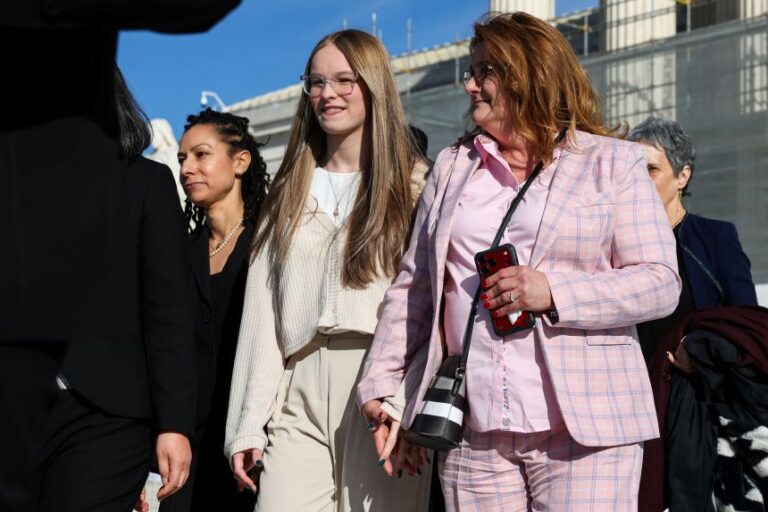
After Tuesday’s ruling, Shannon Minter, legal director of the National Center for LGBTQ Rights, called the ruling a “setback,” but emphasized that the decision still allows states to adopt policies letting trans students compete on teams that align with their gender identity.
Momentum, however, is going in the opposite direction. The Department of Justice has sued California and other states that allow transgender students to play on the team of their choice. Last year, the NCAA banned trans women from competing in women’s sports last year, and in March the International Olympic Committee did the same for its female category.
In her dissent, Sotomayor observed that such prohibitions deny trans women the many positive experiences, such as resilience and tenacity, that sports provide for young people.
“Sports, of course, are often zero sum,” she wrote, picking up the “zero sum” phrase Kavanaugh had used multiple times in his opinion, “but the law need not and should not be.”
Read more America held a big birthday party — and a soccer extravaganza broke out