 By admin
“Protecting life” and strengthening “traditional marriage” remain the stated priorities for the Faith and Freedom Coalition, an organization that has spent nearly two decades mobilizing conservative Christian voters.
Read more How Trump’s takeover fractured America’s birthday party
But abortion and same-sex marriage received scant attention as the group gathered in the nation’s capital on Friday, including in the lengthy remarks from the event’s headline speaker: President Donald Trump.
Since returning to the White House, Trump has largely sidestepped causes long championed by the conservative faith movement that helped him propel him back to office, privately arguing that issues such as abortion are political liabilities for a Republican Party trying to protect its narrow majorities in Congress. Even as some activists have grown frustrated, they Activists have largely refrained from publicly pressuring Trump to act, mindful of his unparalleled influence over their voters.
Yet, there are growing signs that social conservatives are preparing to revive those fights — and open new ones — as Republicans begin looking forward to a post-Trump future.
A multi-front battle
SBA Pro-Life America, one of the nation’s leading anti-abortion groups, is already plotting how it can shape the early nominating fight to succeed Trump in Iowa and South Carolina and force Republican presidential candidates to take a stand on establishing a nationwide cutoff on abortions after a certain point in pregnancy. The group has said it plans to spend $80 million in the 2028 presidential election to back aligned candidates.
“We’re being clear early on … if you want to win in Iowa and South Carolina and to be the GOP nominee and become president, you have to have a bold and clear position on abortion and commitment to life,” said Kelsey Pritchard, spokeswoman for SBA Pro-Life.
Meanwhile, a coalition of groups launched an initiative earlier this year aimed at challenging the legal foundations of same-sex marriage and preventing gay and lesbian couples from adopting children. It’s a topic that has largely faded away from Republican campaigns since the Supreme Court legalized same-sex marriage nationwide in 2015 — and one Trump removed from the party platform entirely when he won the nomination in 2024.
Other conservatives are pressing into new territory. A growing number of Republican officials have called for new restrictions on surrogacy, a move that could further limit family-building options for LGBTQ+ couples. Republican House members introduced legislation targeting commercial surrogacy, while Florida Attorney General James Uthmeier recently described the practice as “modern day slavery” and said it “must be stopped.”
Steve Deace, a conservative talk show host, said Trump occupies a uniquely dominant place in Republican politics that allowed him to sideline issues important to many Evangelical activists without suffering political consequences.
“We’re never going to have a personality like Trump again — that combination of brand and political power will never rest in the hands of one figure ever again,” Deace said. “And some of the ideological skirmishes that Trump has kept at bay will come to the forefront as soon as 2028.”
Shifting public opinion
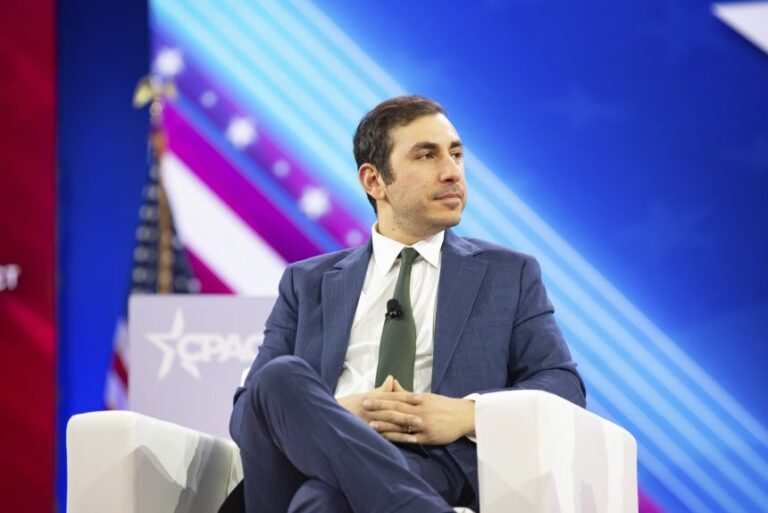
Terry Schilling, the president of American Principles Project, an organization that has encouraged Republicans to engage in culture wars, believes Republicans will enter those debates from a stronger political position than they have in recent decades.
Take support for same-sex marriage, which rose steadily from 1996 to 2022 when it peaked at 71 percent of adults, according to Gallup. But it has dipped each of the past three years.
Gallup also found declining moral acceptance in a handful of other markers it has long tracked, like having a child out of wedlock. Birth control, while still overwhelmingly popular, is at its lowest point since Gallup started asking about it 15 years ago.
Trump’s late-campaign focus on transgender issues in 2024 offered Republicans a roadmap, Schilling said, showing that cultural issues could motivate persuadable voters.
“The Republican Party is going to have to figure out how to play offense on all of these issues,” said Schilling. “If you’re not figuring out how to go on offense, you’re either being lazy or boring.”
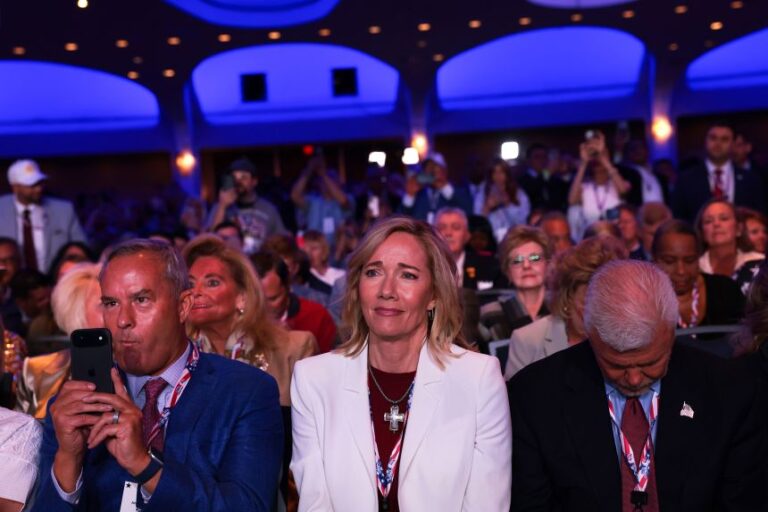
Inside the Faith and Freedom Coalition’s annual Road to Majority conference, though, there was little indication that activists were eager to pressure Trump himself – or force him to re-engage on a topic he has all but made off-limits leading up to the midterms.
Introducing Trump, Faith and Freedom Founder and Chairman Ralph Reed praised Trump for shaping “the most conservative Supreme Court in over a century” but didn’t mention the court’s decision overturning Roe v. Wade. Trump, who promised the same audience a decade ago he would “uphold the sanctity and dignity of life” — likewise made no mention of abortion.
Marcus Kindley of Guilford County, North Carolina, told CNN at the event that conservatives should work on persuasion.
“What we should do is stand up for our beliefs, our religious beliefs, but I think that forcing it down people’s throat is not going to work,” he said. “They need to have a change in heart.”
Pam Chester, who traveled to the event from Jackson, Georgia, said Trump had a full plate, from foreign conflicts to his domestic agenda, and she was comfortable leaving abortion policy to the states.
Still, she said Republicans should not allow the movement’s traditional priorities to fade.
“We still cannot take our finger off those issues because they could easily be reversed or undermined if we take our eyes completely off those issues,” she said.
‘Zealous energy’ in 2028
The first signs of those future debates are emerging.
During a recent interview with conservative podcast host Allie Beth Stuckey, Vice President JD Vance was pressed on why the administration had not moved to restrict abortion medication sent through the mail. Vance responded that the issue remains under review by the Food and Drug Administration, while cautioning conservatives against moving faster than public opinion.
“We have to be pragmatic,” Vance said. “We have to win the argument and then we can save the lives of many unborn kids.”
That kind of approach may not appease younger generations of conservatives, who Deace said are “far more militant” on social issues than their parents. He predicted their zealous energy around social issues would significantly shape Republican primaries that follow Trump.
“If you thought Trump was too radical for you, if you thought he was too confrontational for you on cultural issues, you ain’t seen nothing yet,” Deace said.
CNN’s Katie Doran contributed to this report.