 By admin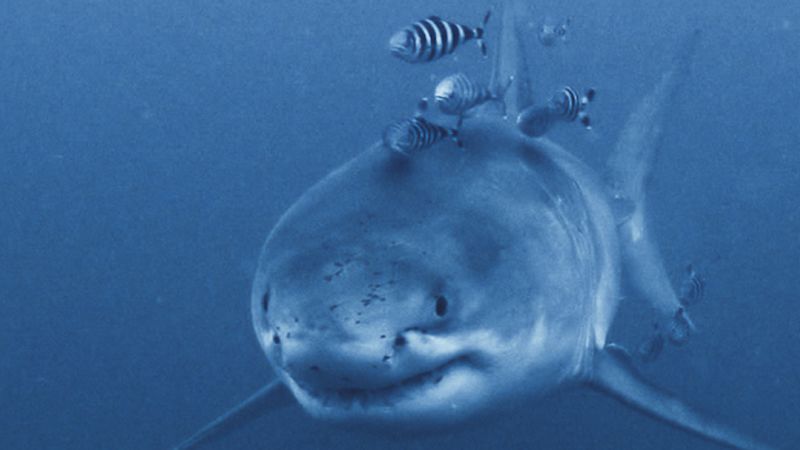
- A volunteer diver removing abandoned fishing nets from a Mediterranean shipwreck encountered a great white shark more than 132 feet below the surface.
- The sighting between Sicily and Tunisia may be the first filmed evidence of a Mediterranean great white in over 40 years.
- Great white sharks in the Mediterranean are critically endangered due to decades of overfishing and entanglement in ghost nets.
More than 132 feet below sea level, a diver was removing abandoned fishing nets from a shipwreck in the Mediterranean Sea when he had an encounter that would be the stuff of many people’s nightmares.
Read more A government-commissioned study found drinking risks. US guidelines didn’t feature its findings
Somewhere between the white beaches of Sicily and the dramatic coastline of Tunisia, Derk Remmers was working as a volunteer when he came face to face with a great white shark.
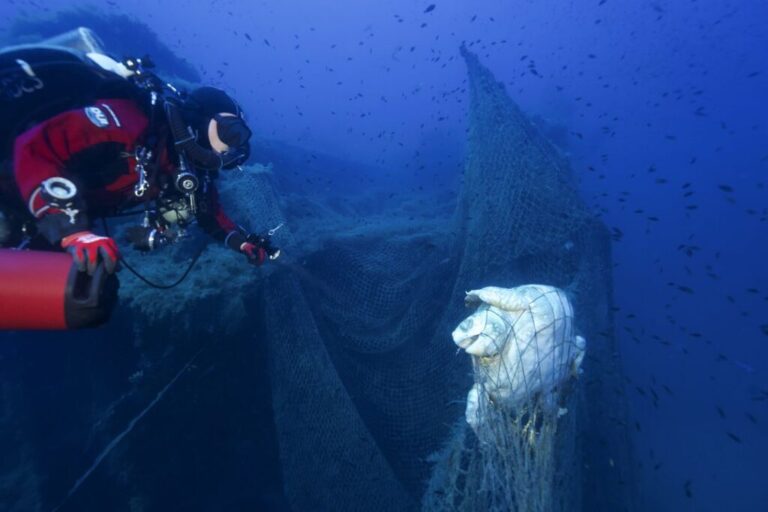
As a member of Ghost Diving Foundation, a charity run by technical divers specialized in the removal of lost fishing gear and debris from the waters, Remmers often retrieves ghost nets – former fishing nets left at sea – before they become deathly traps for marine life.
“Scientists say that around 3 to 10% of all fishing gear is lost in any given year, in the oceans of the world,” Remmers told CNN Monday. “And if you could imagine how many fishing boats come out of any harbor, this is a huge amount.”
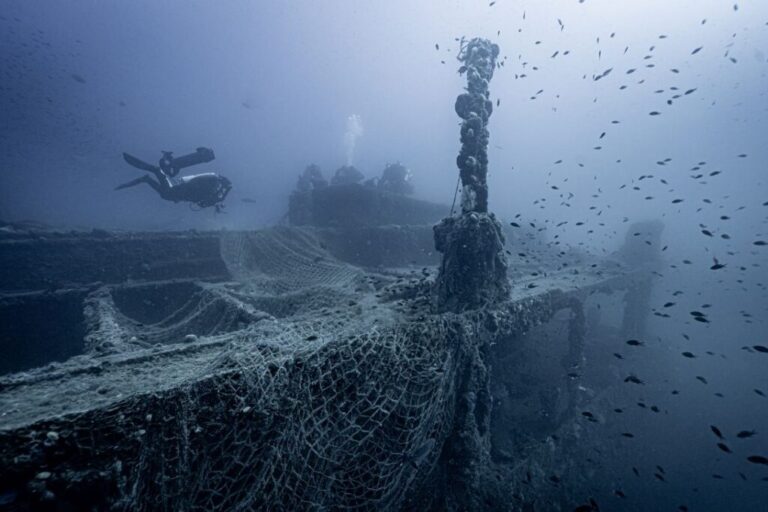
In May, as Remmers descended into the ocean’s depths at a spot where no land was visible, he and his diving buddy had a remarkably rare experience.
“I should say I wasn’t afraid at all, but it’s not true,” Remmer laughed, explaining that his logical mind told him that humans are not on a white shark’s prey list, but another part of his brain just hoped the shark knew that too.
“I needed desperately to get the camera running because no one would ever believe we had seen a white shark with no evidence,” he said.
Remmers flicked off the lens cap and was relieved to find the camera, which he’d not intended to use until the end of the dive, was operating.
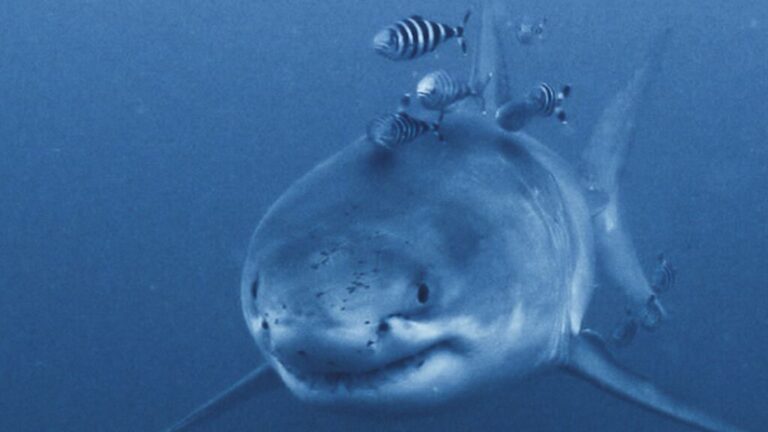
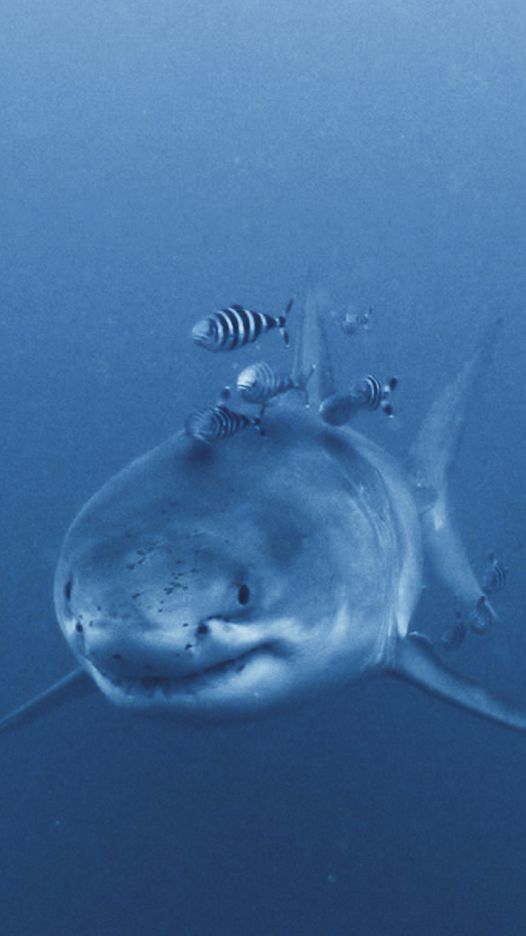
Conservation divers removing abandoned fishing nets from a shipwreck between Sicily and Tunisia say they captured what may be the first underwater footage of an adult great white shark in the Mediterranean.
Organized by Healthy Seas, a foundation committed to removing marine litter and protecting life in oceans across the globe, the mission was part of a campaign centered on ghost-net removal and biodiversity monitoring on Mediterranean shipwrecks.
“What makes this encounter so powerful is not only the shark itself, but the context in which it happened,” Veronika Mikos, director of Healthy Seas, said in a press release on Monday. “We were there to remove ghost nets trapping marine life on a shipwreck ecosystem that is a hotspot for biodiversity.”
“Moments like this remind us how much life can still exist in offshore Mediterranean waters and how important it is to protect it from preventable threats like abandoned fishing gear or overfishing,” Mikos added.
Read more Summer berries can be full of pesticides. Learn the best ways to wash them
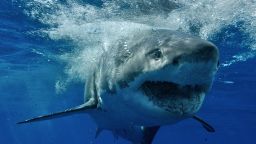
Remmers was thrilled about his brush with a titan of the waves, as sightings become rarer every year. To Remmers’ knowledge, no one has ever captured footage of a Mediterranean great white, and a sighting hasn’t been made for more than 40 years, he said.
But the reality for magnificent creatures like this one is stark.
Despite the great white’s size – they can reach up to six meters (20 feet) in length and weigh more than two tons – and a fearsome reputation stoked by Hollywood blockbusters such as “Jaws,” humans pose a far greater threat to great whites than the other way round.
Sharks often become bycatch – entangled in fishing nets not intended for them, they are rendered helpless and face certain death.
The International Union for Conservation of Nature (IUCN) has classified white sharks as an animal vulnerable to extinction and estimates that the population has fallen by 30-49% over the past three generations due to factors including overfishing and the impact of climate change.
However, for Mediterranean white sharks, the picture is even more bleak. The IUCN considers the region’s variant critically endangered after an extreme population decline triggered by decades of coastal and industrial fishing.
Conservationists at Shark Trust in Plymouth, England, have specialized in the safeguarding of sharks and stingrays since 1997. The team’s Mediterranean Programme was devised in response to the exponential risk of extinction to the sea’s nearly 80 species of shark and ray.
“A range of conservation measures are needed for sharks in the region,” Shark Trust CEO Paul Cox told CNN, emphasizing that a guarantee of marine life protection depends on all fishing nations consistently complying with clear and enforced fishing regulations.
Mysterious deepwater sharks, killed to make cosmetics, are granted new trade protections in ‘watershed moment’
Shipwrecks in offshore waters can function as artificial reefs, attracting a wealth of marine species and offering a safe and abundant home. However, when ghost nets settle on these structures, they can transform them into underwater traps, entangling and killing the same marine life they attract.
“You spend decades diving wrecks and removing ghost nets, but nothing prepares you for a moment like this,” Remmers said. “Yet we also went on with our diving plan to remove nets from the wreck, as this moment showed the importance of our work very clearly.”
EDITOR’S NOTE: Call to Earth is a CNN editorial series committed to reporting on the environmental challenges facing our planet, together with the solutions. Rolex’s Perpetual Planet Initiative has partnered with CNN to drive awareness and education around key sustainability issues and to inspire positive action.
Read more A first test for Platner and other key races to watch in Tuesday’s primaries in Maine and beyond