By admin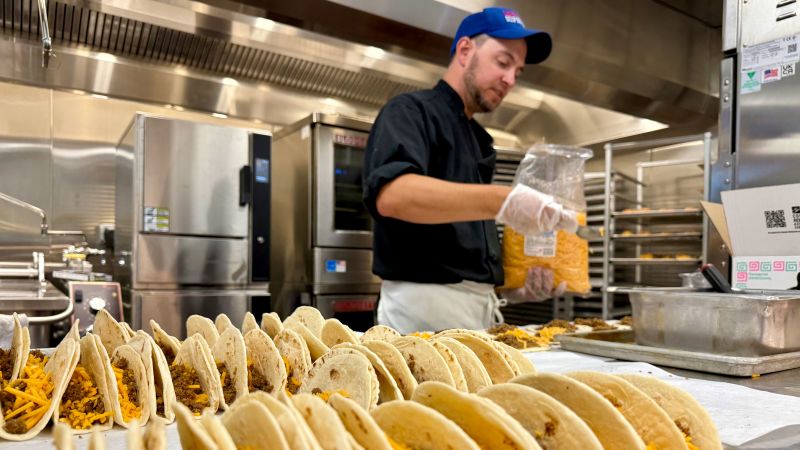
On a Monday morning in September, three cafeteria staffers worked swiftly and methodically to prepare lunch for 300 children at Thomas Hooker Elementary School.
Read more Inside the Trump campaign strategy to reverse Republicans’ dwindling hopes of winning the midterms
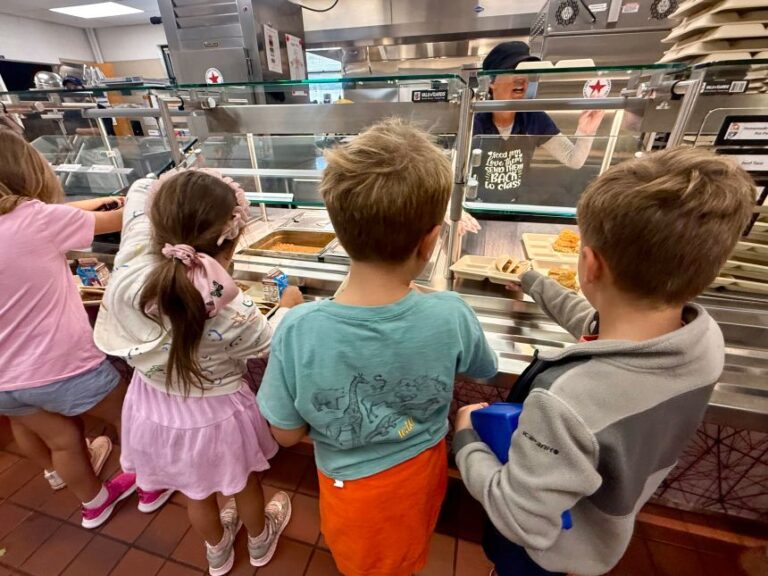
Frozen popcorn chicken nuggets were taken out of bags before the workers smothered them in an orange glaze and put them in a warming oven to be served with fresh-made brown rice and green beans. Premade hamburger patties on buns were topped with cheese and heated. Baby carrots, sliced cucumbers and cherry tomatoes sat in small cups, along with fresh apples and oranges and a choice of canned fruits.
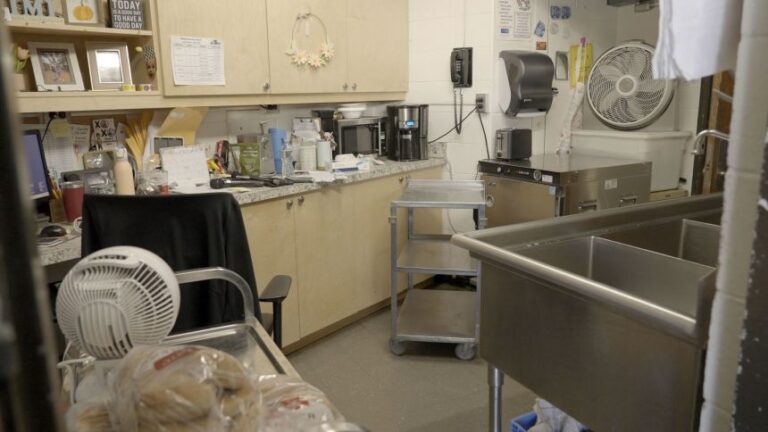
The lunch preppersdon’t have much space or equipment to work with — greatly limiting the amount of food they can make from scratch. The school in Connecticut was built in the 1960s without a kitchen, at a time when many children went home for lunch. Meriden Public Schools eventually cobbled together a kitchen out of three closets, where the cafeteria manager’s desk is a few feet from the pot washing sink, which is in a separate room from the stove, refrigerators and other appliances.
The process, as Susan Maffe, director of food and nutrition services for the school district, puts it,“is definitely very challenging.”
The situation atThomas Hooker typifies the hurdles many districts would face to make more of their meals from scratch — as the Trump administration is pushing them to do. Serving more “real food” and cutting down on ultra-processed offerings in schools is a key pillar of Health and Human Services Secretary Robert F. Kennedy Jr.’s Make America Healthy Again movement.
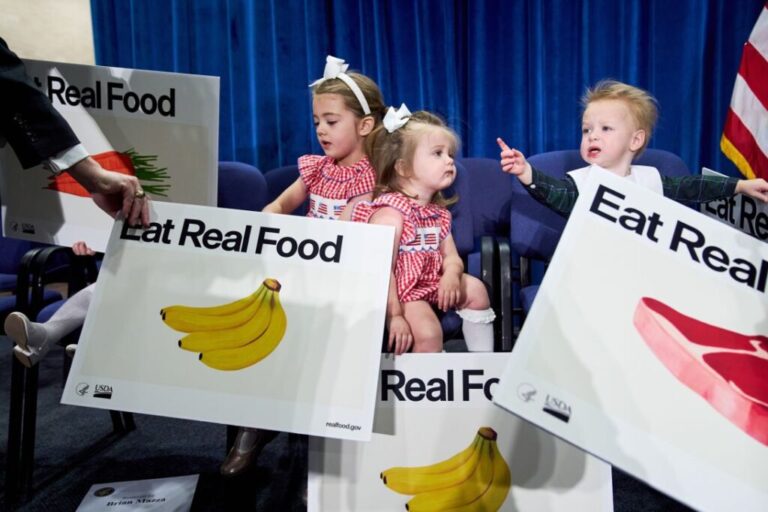
“We need to expand scratch cooking, reduce added sugars and ultra-processed food, serve more fresh produce, whole grains and high-quality protein,” Kennedy said at a news conference in August on improving school meals. “Schools tell us they need better kitchens, equipment, training, practical models for cooking from scratch.”
To help schools overhaul their menus, Agriculture Secretary Brooke Rollins announced at the event that the US Department of Agriculture would provide $70 million in equipment grants toward improving their kitchens. And HHS said it will invest $30 million in research to identify cost-effective ways to make school meals healthier.
School nutrition officials share that goal but say the money will be nowhere near enough what’s needed to achieve it.
“$70 million won’t go far across 50 states,” said Gay Anderson, chair of theSchool Nutrition Foundation, a charitable arm of the national professional organization on school nutrition.
Meriden alone spent more than $300,000 for equipment purchases and repairs last year, Maffe said. But Connecticut is set to receive just $209,000 for the entire state in an initial tranche of grants.
Equipment isn’t the only obstacle school districts face in trying to increase their scratch-made offerings. A lack of skilled labor, space and funding for general operations are also challenges that the USDA grants don’t address.
Adding to the pressure, the districts are awaiting new USDA nutrition standards for the national school meals program, which provides breakfast to roughly 15 million children and lunch to about 30 million kids daily. The proposal, which will likely take several years to implement, is expected to emphasize serving even more food that’s freshly made.
Little fresh food served
Currently, only 16% of school districts around the countryserve at least some items made from scratch on a daily basis, according to a recent survey by the School Nutrition Association. About 71% of districts serve a scratch-made offering — one that’s made using fresh, raw and whole ingredients to prepare some or all of a meal — at least once a week.
School kitchens vary widely in their setups and capabilities. Some districts have central kitchen facilities, which prepare at least part of the meals that are then transported daily to schools. Elsewhere, breakfasts and lunches are prepared onsite in school kitchens that differ significantly in their equipment and staffing from district to district, and even from school to school within the same district.
But most have one thing in common.
“Schools are simply not equipped to scratch prepare all menu items — more than 93% cited the need for more staff, culinary training, equipment and infrastructure to reduce reliance on UPFs,” or ultra-processed foods, the School Nutrition Association wrote in a position paper earlier this year.
Anderson knows just how desperate many school districts are for new kitchen appliances, since she oversees an annual equipment grant program for the School Nutrition Association’s foundation.
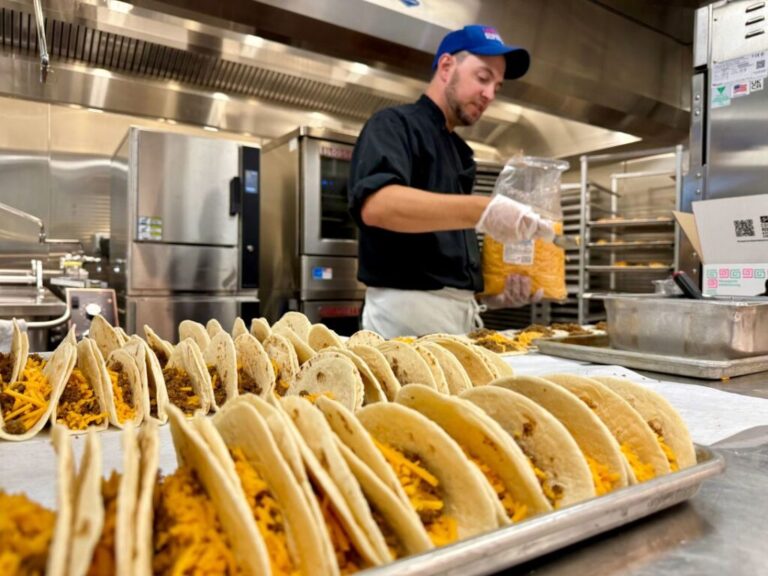
The foundation awarded more than $660,000 in grants this year that will allow 65 districts to buy ovens, food processors, refrigerators, package sealing equipment, produce spinners and more. The awardees work with manufacturers to provide items that meet their specific needs.
But the foundation cannot help many others who apply, and the USDA’s grant program is far from enough, Anderson said.
Read more ‘I want public executions’: Texas GOP candidate’s extreme posts extend beyond racism
Even her own school district in Sioux Falls, South Dakota, serves little, if anything, from scratch. The district has a central kitchen facility, where 50 staffers prepare the meals, truck them to 24 elementary schools and serve them to students. Breakfast has to be delivered the day before and refrigerated onsite. Lunch is delivered as close to mealtime as possible.
The elementary schools have no kitchens — just sinks, fridges and cupboards. The 11 middle and high schools in the district are better equipped, serving food that’s prepared onsite but largely goes from freezer to oven, such as turkey pancake wraps for breakfast and pizza and chicken tenders for lunch. Some fresh-made items include fried rice and gravy.
Just equipping the elementary schools to serve hot breakfasts would cost $350,000, Anderson said. Yet, the entire state is set to receive only $69,000 from the initial tranche of USDA equipment funds.
“We want to give the studentsthe most nutritional meal possible,” Anderson said. “We just have to be able to have the proper funding so we can be creative and make these things work.”
Other challenges
Besides a lack ofappliances,many districts don’t employ full-time cafeteria staffers. Turnover is high because workers can often earn more at retail or warehouse jobs.
That adds to the challenge of trying to prepare more food from scratch, which would require training the staff to handle raw meat, adhere to recipes and nutrition standards and safely use the equipment, including sharp knives and steamers.
And then there’s the existing funding shortfall. Feeding lunch to the children in Meriden cost about $5.07 per meal last year, including $2.44 for labor, $2.04 for food and 20 cents for equipment, with the rest going towards custodial services, office supplies, utilities and staff training.
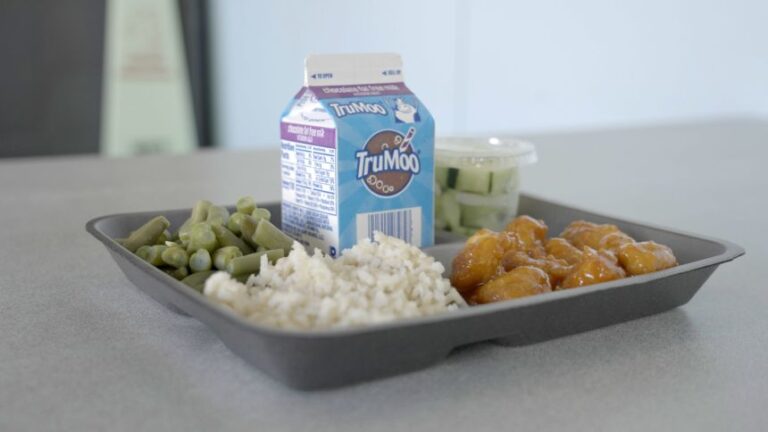
But Maffe’s federal reimbursement was only about $4.80 per meal. That’s blowing a projected $250,000 hole in her budget, which she has to make up through selling healthy snacks and beverages at lunch, providing catering for school district events and utilizing some state funds since the district doesn’t provide any support for the school meals operations.
Maffe is wary of the looming federal nutrition guidelines. If she were required to put more fresh-made food on the menu at Thomas Hooker, she said, “I have no idea how I would do it. I really don’t.”
Asked about school districts’ concerns, a USDA spokesperson said that reimbursement rates are set by Congress. Also, the agency has provided grants to support equipment purchases for nearly 20 years, the spokesperson said.
“Making America Healthy Again starts in the classroom, and USDA is excited to do its part,” the spokesperson said.
Making more from scratch
Some school districts have made more progress in serving fresh food to their students.
Last fall,Littleton Public Schools in Colorado opened a $4 million central production kitchen with the goal of cooking more from scratch. It used money fronted by the school district, leftover Covid-19 funds in the nutrition service’s budget and donations from local foundations.
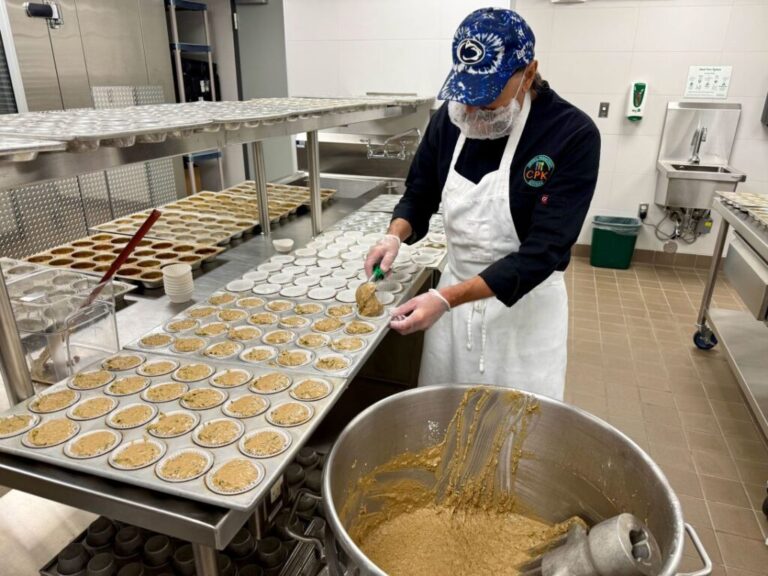
The central kitchen’s three chefs prepare such offerings as zucchini muffins and pancake mixes for breakfast and, for lunch, the ingredients for homemade chili, tacos with locally sourced beef and chicken pot pie. They also whip up marinara sauce and spice mixes. The items are then cooked or finished at the district’s 21 schools.
Prior to the central kitchen, only about a quarter of lunch items were made from scratch, said Jessica Gould, the nutrition services director. The facility allowed them to more than double the amount.
Of course, shifting to healthier, fresh-made food could pose another problem.
“Some kids are used to Kraft mac and cheese,” Gould said. “We’re trying to make a big leap here. To get their taste buds to follow is going to be our next challenge.”
Read more College isn’t supposed to be perfect. Here are 5 things I wish every student knew