 By admin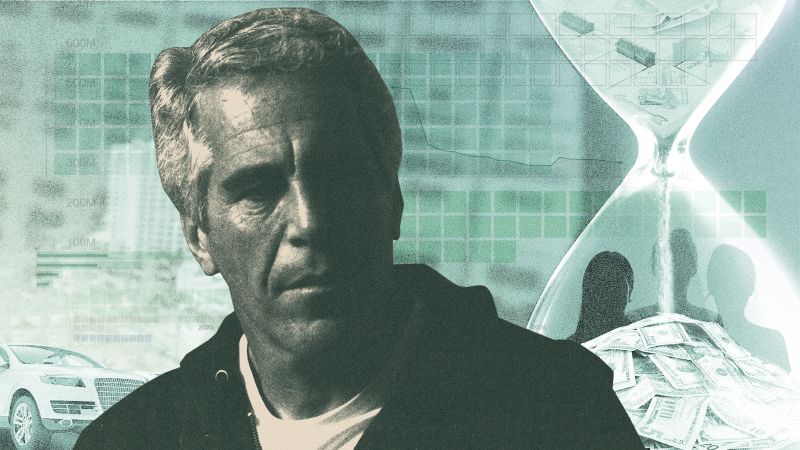
Victims of Jeffrey Epstein have for years accused two of his closest advisors – his longtime attorney and in-house accountant – of enabling the late financier’s sexual abuse of hundreds of young women.
Read more ‘We need more cash’: Democrats privately flashing alarms over GOP spending deluge in midterms
Now several of those victims are bringing a fresh lawsuit that could extend how long it takes for Epstein’s estate to settle, and impact whether those same advisors, Darren Indyke and Richard Kahn, ultimately receive money from what remains of Epstein’s estate.
“Each played critical roles in enabling Epstein’s acts,” the victims alleged in a lawsuit filed in August, “by providing Epstein the necessary financial and legal support for his sex trafficking operation.”
Seven years after Epstein’s death in a New York jail, efforts to ensure his considerable wealth goes to victims has reached a critical juncture. His estate has dwindled from its initial estimated value of $655.1 million following his death to $107.6 million in assets, according to court filings.
Just last week, a federal judge ordered a social media campaign to be launched to ensure victims are aware of a $35 million settlement. The judge also ordered a new 60-day notice period to give victims time to come forward to claim any compensation they may be due.
Litigation against the estate is expected to stretch for several more years and changes to New York state law are expected to usher in even more lawsuits. Congress continues to investigate Epstein, incurring even more legal fees for the estate.
In the end there may be nothing left to distribute based on , a document made public for the first time in January by the Justice Department.
Conflict of interest allegations
Indyke and Kahn, who manage the trust as the estate’s co-executors, are among the first beneficiaries in line to receive millions of dollars — an arrangement that’s drawn scrutiny from victimsas the estate defends itself against civil litigation from Epstein’s victims and pays for the defense of its co-executors in civil suits seeking damages for their alleged role in the abuse.
Indyke and Kahn have denied any knowledge of or involvement in Epstein’s sex trafficking operation.
To date, Epstein’s estate has paid nearly $170 million to his victims since his death, according to a CNN calculation. shows Epstein bequeathed $100 million to his girlfriend, Karyna Shuliak; $50 million to Indyke; $25 million to Kahn, and millions more to more than 40 others.
At last week’s class-action settlement hearing, a victims’ attorney raised Indyke and Kahn’s overlapping roles as beneficiaries, defendants and co-executors of Epstein’s estate as a potential conflict of interest.
“They had all these contradictory roles. As an executor of an estate, you are a fiduciary, which is a very high standard for your conduct,” Jennifer Freeman, an attorney representing Epstein victims, told CNN in an interview. “And I don’t see how, as executors of the estate, they could also make the decision about whether they were responsible in any way. You’re making a decision about your own personal liability, so they decided they had no liability. Surprise, surprise.”
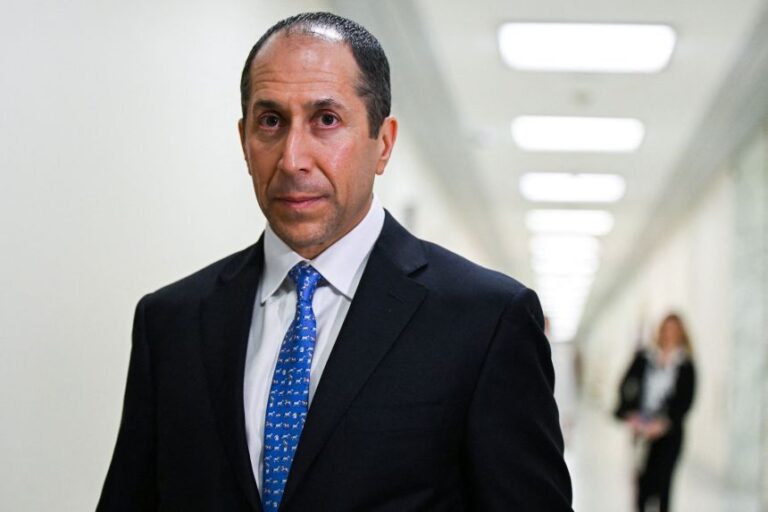
Though the judge dismissed the argument, the point underscores the unusual roles Indyke and Kahn hold, as among Epstein’s closest advisors in both life and his affairs after his death.
Publicly, both have said they do not expect to receive their bequests, given the estate’s depleted finances and expected litigation and settlements still to come.
But millions of dollars in unsold investments remain a potential wild card — one that could send the estate’s balance climbing again. A decade ago, Epstein invested millions into two funds managed by a venture capital firm co-founded by tech billionaire Peter Thiel. As the investments are sold in coming years, they may replenish some of the fortune depleted by settlements, taxes and legal fees.
Whether they generate enough to fund bequests to Shuliak, Indyke, Kahn and othersremains uncertain. But much of the money generated by those investments will likely never reach most of Epstein’s victims. The estate’s formal compensation program closed in 2021, leaving survivors who did not participate to pursue claims through civil litigation instead.
Daniel Weiner and Daniel Ruzumna, attorneys for Indyke and Kahn respectively, told CNN that it will likely take at least three more years for the estate to complete the probate process and that neither of their clients have received any funds from the estate.
“If and when Messrs. Indyke and Kahn were to receive any funds from the 1953 Trust, they would do so only after all claims against the Estate are finally resolved and the Estate is fully probated,” the two said in a joint statement.
The attorneys added that their clients “emphatically reject” any allegations they were complicit in or knew of Epstein’s crimes and said that no women have ever accused them of committing or witnessing sexual abuse.
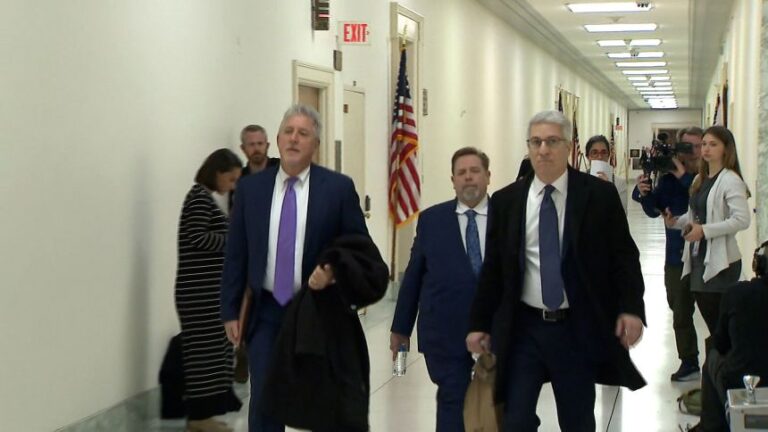
The Epstein estate is now caught between two competing forces: unresolved claims that could drain it further and investments that could swell it again. The timing matters because every new dollar could either compensate survivors and cover mounting legal costs — or move the estate closer to funding the bequests Epstein left to the advisers that those same survivors accuse of enabling Epstein.
That leaves the estate in an unusual state of financial suspense: its cash is being depleted by settlements, taxes and years of legal fees even as a small number of unresolved investments could replenish it by tens of millions of dollars. Until those assets are liquidated and the lawsuits are resolved, neither survivors nor beneficiaries can know how much — if anything — will remain for them.
The victim compensation program
After Epstein died, his estate created the court-approved Epstein Victims’ Compensation Program to resolve claims outside court. Kenneth Feinberg and Camille Biros, whose work included the September 11 Victim Compensation Fund, the BP oil spill victim payments and funds for survivors of clergy sexual abuse, designed the program with input from Epstein victims’ lawyers, the US Virgin Islands attorney general and the estate’s co-executors,Indyke and Kahn.
Biros, who designed but did not administer the Epstein fund, told CNN that it is difficult to put a dollar amount on different levels of sexual abuse.
“There’s no sort of scientific answer to that,” said Biros. “It’s just really what you feel is appropriate for somebody that went through that kind of thing, and the amount of money that you can have.”
For the Epstein program, there was no calculation or grand matrix used for translating the severity of abuse into a dollar amount, according to its administrator, Jordana Feldman. She and her team instead made case-by-case judgments based on factors including a victim’s age, the severity and frequency of the abuse, its impact, and corroborating evidence and the credibility of the claim.
Records around the fund – including the names of the claimants, filings, payout details and special reports about the program – remain under seal to ensure confidentiality.
Feldman announced in 2021 the program had awarded nearly $125 million to 150 eligible claimants, more than 90% of whom accepted the compensation offers.
Participation was voluntary: survivors could accept an offer from the program and sign a release not to pursue future lawsuits or reject it and pursue a claim individually through the courts. Some survivors chose to do just that, and also sued the estate’s co-executors, Indyke and Kahn.
Read more Beyond Ukraine: Why Europe is preparing for a wider conflict
Where has Epstein’s money gone?
In the seven years since Epstein died in a New York prison, his estate’s fortune has significantly diminished.
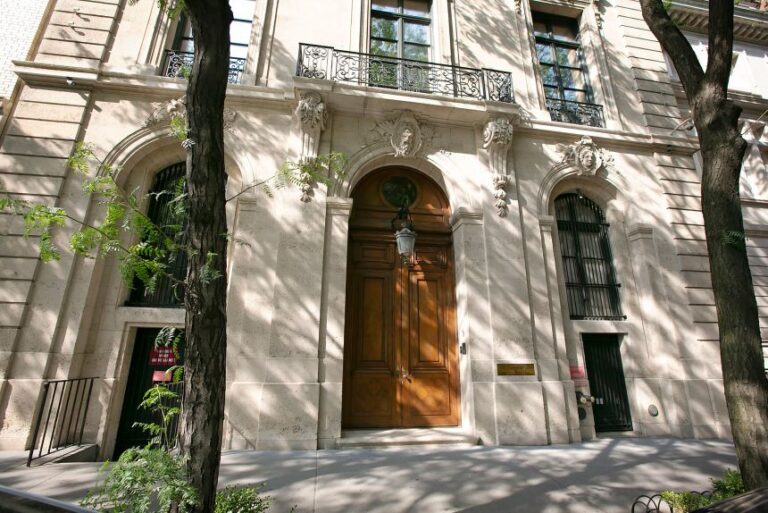
When he died, Epstein’s assets included bank accounts, cash, stocks, bonds, a fleet of high-end cars and multiple real-estate properties all over the world, all held across dozens of financial entities.
A court document filed shortly after his death projected his estate held about $577.6 million. By the end of the year, the estate’s estimated assets were worth $634.7 million, and a later amended filing estimated the assets were worth $655.1 million by the end of 2019.
The estate spent more than $86,000 on his funeral expenses, including a $20,000 forensic pathology report.
Some of the estate’s assets were sold within the first few months after Epstein’s death, including his 2018 Bentley for $195,000, three Chevrolet Suburbans, and an ATV. The estate later sold his private jet in late 2020 for $10.5 million. (Another of Epstein’s jets – nicknamed the Lolita Express – was sold months before Epstein was arrested on federal sex trafficking charges in 2019, to the new owner’s regret).
It took years for the estate to sell off Epstein’s five properties in Palm Beach, Florida, New Mexico, New York, Paris and the private islands in the Caribbean – properties where victims alleged they were sexually abused. By 2023, the estate sold the compounds for well under their asking price.
A lot of the money from the sales of Epstein’s properties went toward settlements against the estate, including one with the US Virgin Islands.
The estate’s victim compensation program gave $121 million to 136 victims, according to attorneys for Indyke and Kahn, and directly settled claims by an additional 58 women for a total of approximately $48 million, excluding the recent class-action settlement.

According to Kahn, the estate’s operating expenses are high: it burns through $10-15 million a year in legal and other fees. The estate covers the legal bills for Kahn and Indyke in their roles as co-executors.
The estate also faced a criminal lien against it in 2020 by the US Virgin Islands over Epstein’s sex trafficking enterprise. By December 2022, the estate agreed to pay the US Virgin Islands $105 million in cash, plus half the proceeds from selling Epstein’s private island, Little St. James. It also agreed to return over $80 million in tax benefits and pay $450,000 for environmental damage on Great St. James.
In July 2020, the Epstein estate paid approximately $191 million in estate and inheritance taxes. But in 2024, the IRS issued a nearly $112 million refund, according to the New York Times, but much of that went toward repaying a loan.
William LaPiana, a professor of wills, trusts and estates at New York Law School, told CNN that tax refunds are not uncommon in estate cases. Federal estate tax rates max out at 40% for amounts higher than $1 million. And because the Epstein estate overvalued its assets in 2020 when it paid its tax bill, the estate received a large refund.
More money could also come to the estate once some of its investments can be liquidated. In 2015 and 2016, Epstein invested $40 million into two funds managed by Valar Ventures, which was co-founded by Thiel. Indyke testified those investments are now worth about $172 million and expire in 2026, though it’s unclear how much more money they will bring into the estate when they mature. Another unnamed investment fund was in the process of liquidation and is worth less than $10 million, according to Indyke’s testimony from March.
Who would get Epstein’s remaining fortune?
Two days before he died in federal prison in August 2019, Epstein conferred with his attorneys to sign a will to place his assets into the “1953 Trust,” presumably named after Epstein’s birth year. The revocable trust was meant to shield his fortune and its beneficiaries from public view.
Jill Miller, a New York estate attorney and lecturer at Columbia Law School, said a revocable trust is “a very common basic estate planning technique” that “is meant to never get in the public eye. That’s the whole point of having it.”
The trust shows Epstein bequeathed $50 million in cash to Shuliak, his longtime girlfriend and a dentist, and another $50 million in annuity, to be paid out in monthly installments for the rest of her life.
Along with payments to Indyke and Kahn, the trust also directed millions of dollars to around 40 other individuals – including some whose names are redacted. Epstein bequeathed $10 million each to his convicted accomplice, Ghislaine Maxwell, and his brother, Mark Epstein. Other beneficiaries include his staff, friends and the children of his friends.
The money bequeathed by Epstein’s estate to these beneficiaries will be tax-free, explained Miller, because it is a gift, not income.
The trust stipulates that if there are insufficient funds, the estate will pay beneficiaries in the order in which they are listed: first Shuliak, second Indyke and third Kahn, etc. If there are insufficient funds, then the bequests “shall be deemed to have lapsed.”
The estate would need at least $175 million in cash to pay just Shuliak, Indyke and Kahn, making it unlikely that Maxwell (16th person on the list) or Epstein’s brother (39th in line) will see any of their bequests.
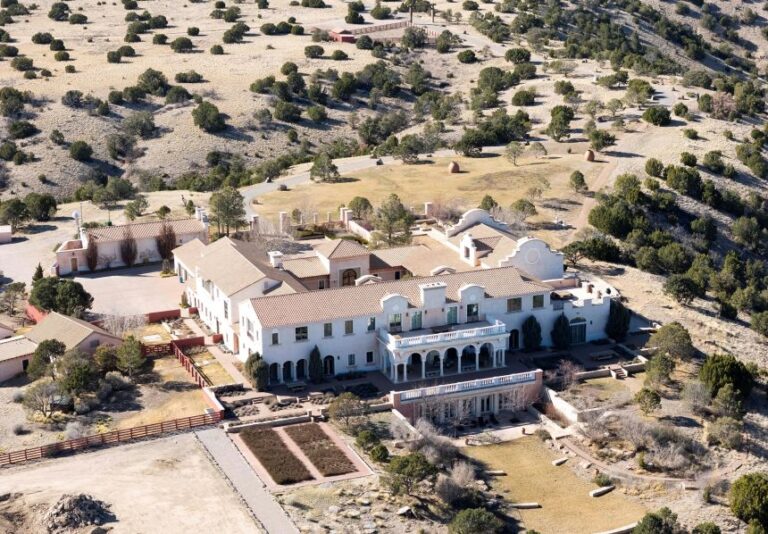
Shuliak was also set to inherit Epstein’s properties in New Mexico, the US Virgin Islands, Paris, Palm Beach and New York but the estate sold them to pay for victim settlements. According to testimony from Indyke, Shuliak will receive a proportionate amount of money from the sales in addition to her $100 million.
A copy of the trust says the co-executors are entitled to $250,000 of compensation per year to run the trust. Both testified to Congress that neither have received that fee.
Attorneys for Indyke and Kahn told CNN that any fee would come only after the estate’s creditors and claimants have been compensated and after the probate is concluded.
Kahn testified in March that he was not involved in drafting Epstein’s documents and said he did not believe he would receive anything from the trust given the unresolved assets and liabilities.
“I believe that Epstein envisioned me taking this role as co-executor and co-agent trustee – would be many, many years of working,” said Kahn. “So if I was not in Epstein’s Trust and I was a corporate trustee, I probably would have received an executor fee of $12 million for serving as co-executor and serving as co-trustee. So that could be the only reason why he left me such a large bequest.”
Indyke testified to the committee that he could only speculate Epstein bequeathed him so much “because there was a lot of work to be done.”
“As to the why he did, what he did and why he gave money to whom he gave the money to, he never had conversations like that with us. He did, he always did what he did for his reasons and he never discussed his reasons,” said Indyke.